Birdwatching Kootenai: Bird Exploration in Montana’s Hidden Gem
Nestled among Montana’s majestic landscapes, the Kootenai National Forest offers one of the most rewarding birdwatching experiences in the Pacific Northwest. With over 2.2 million acres of diverse habitats ranging from riparian zones and wetlands to alpine meadows and old-growth forests, this natural treasure trove provides sanctuary to hundreds of bird species throughout the year. Whether you’re a seasoned ornithologist or a curious nature enthusiast picking up binoculars for the first time, birdwatching Kootenai promises unforgettable encounters with some of North America’s most captivating avian residents.
At Shangrilog, A Bull Lake Cabin, we’ve witnessed countless guests transform their Montana getaway into an extraordinary birding adventure. Our prime location near the heart of Kootenai National Forest gives visitors unparalleled access to premier birdwatching spots where the melodious symphony of birdsong and flashes of colorful plumage create memories that last a lifetime.
Why Kootenai National Forest Is a Birdwatcher’s Paradise
The remarkable biodiversity of Kootenai National Forest stems from its unique geographical features and ecological diversity. Spanning elevations from 1,800 to over 7,700 feet, this vast wilderness creates microclimates that support an impressive variety of birds of Montana.
The forest’s pristine condition and careful management have preserved critical habitats that attract both year-round residents and seasonal migrants. Over 230 bird species have been documented within the forest boundaries, making it one of Montana’s premier destinations for birdwatching Montana enthusiasts.
What truly sets Kootenai apart is the accessibility of diverse ecosystems within relatively short distances. In a single day, birders can explore:
- Riparian corridors along the Kootenai River and Bull Lake
- Mixed coniferous forests dominated by ponderosa pine, western larch, and Douglas fir
- High mountain meadows bursting with wildflowers in spring and summer
- Wetland complexes that serve as critical stopover points for migratory waterfowl
This ecological diversity supports specialized bird communities, from water-loving species to aerial insectivores and everything in between. The forest’s expansive wilderness areas also provide crucial habitat for several sensitive and threatened species that have disappeared from more developed regions.
Best Time of Year for Birdwatching in Kootenai National Forest
Timing is everything when planning your birdwatching Kootenai adventure. Each season unveils different avian treasures, and understanding these patterns can dramatically enhance your experience.
Spring (April-June): The Peak Birding Season
Spring represents the absolute pinnacle of birdwatching Montana opportunities in the Kootenai. As temperatures warm and snow retreats from lower elevations, the forest erupts with activity. This period offers several distinct advantages:
- Migration spectacle: Waterfowl, shorebirds, and neotropical migrants return in waves, creating dynamic birding opportunities that change daily.
- Courtship displays: Resident species engage in fascinating breeding behaviors, from the drumming of Ruffed Grouse to the elaborate aerial displays of Common Nighthawks.
- Peak vocalization: Birds are highly vocal during territorial establishment and mate attraction, making identification easier even in dense forest.
- Vibrant plumage: Most species sport their brightest, most distinctive breeding plumage during this season.
By mid-May, the migration reaches its zenith, with colorful warblers, vireos, and flycatchers filling the forest canopy. At Shangrilog, A Bull Lake Cabin, our guests frequently spot Townsend’s Warblers, Western Tanagers, and Lazuli Buntings right from their deck during this golden period.
Summer (July-August): Family Groups and Fledglings
Summer birding shifts focus to successful breeding pairs and their offspring. While the dawn chorus diminishes somewhat as territorial singing decreases, this season offers unique observations:
- Family groups: Adults teaching fledglings essential skills provide entertaining and educational viewing.
- Reliable presence: Birds remain relatively stationary near breeding territories.
- Alpine access: Higher elevation trails become accessible, opening habitat for unique montane species.
The comfortable temperatures and extended daylight make summer ideal for combining birdwatching Kootenai with other outdoor activities like hiking and photography.
Fall (September-October): Migration in Reverse
Fall migration brings another surge of avian activity as birds journey southward. This season offers distinct advantages:
- Mixed-species flocks: Different species frequently travel together in fall, creating birding hotspots.
- Confiding behavior: Birds often focus more on feeding than territorial defense, allowing closer observation.
- Fall plumage challenges: Identifying birds in non-breeding plumage provides a satisfying challenge for experienced birders.
The autumn colors of western larch and cottonwoods create a spectacular backdrop for birdwatching Montana during this season.
Winter (November-March): Dedicated Residents
Winter transforms the Kootenai into a quieter but no less rewarding birding destination. The season highlights:
- Specialized winter residents: Northern species like Evening Grosbeaks, Bohemian Waxwings, and occasional Snowy Owls appear.
- Improved visibility: Leafless deciduous trees make woodpeckers, nuthatches, and chickadees easier to spot.
- Concentrated activity: Birds gather at reliable food sources, creating predictable viewing opportunities.
- Tracking stories: Fresh snow reveals evidence of bird activities through tracks and signs.
Guests at Shangrilog, A Bull Lake Cabin particularly enjoy winter birding from our cozy accommodations, where feeders attract a steady stream of mountain chickadees, Red-breasted Nuthatches, and the occasional Northern Pygmy-Owl.
Where Are the Best Birdwatching Spots in Kootenai National Forest?
The vast expanse of Kootenai offers countless birding opportunities, but certain locations consistently deliver exceptional birdwatching Kootenai experiences. Here are our top recommendations, all within easy access of Shangrilog, A Bull Lake Cabin:
Bull River Corridor
This lush riparian zone represents one of the forest’s premier birding destinations. The diverse habitat supports:
- Riparian specialists: Yellow Warblers, American Dippers, and Belted Kingfishers
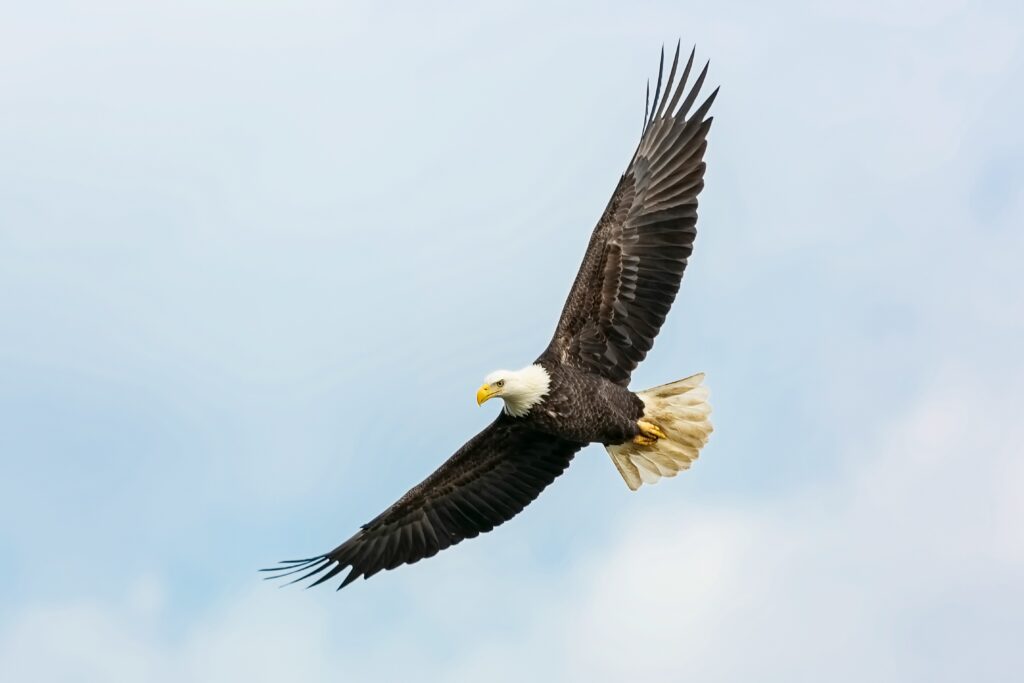
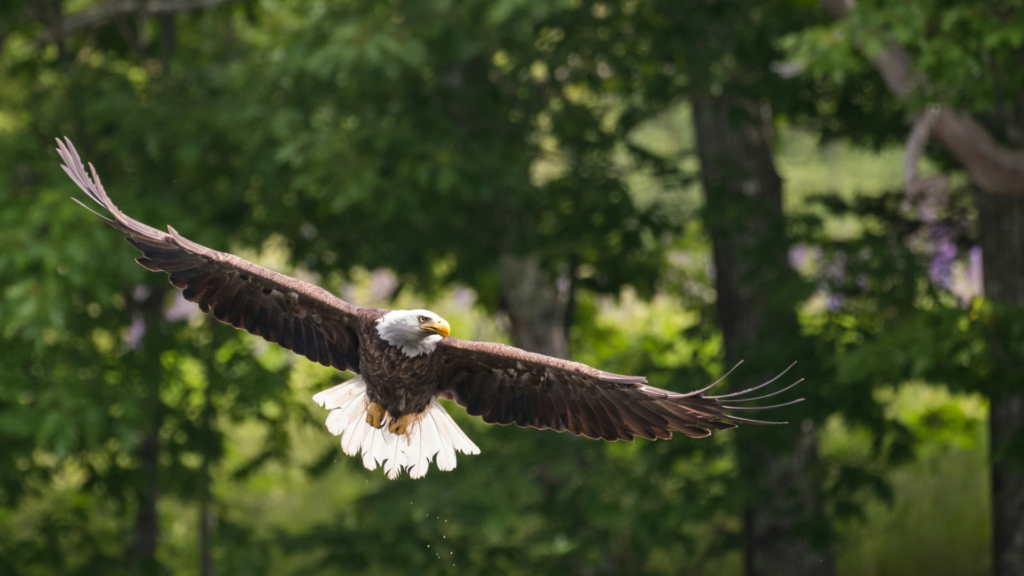
- Raptors: Osprey and Bald Eagles fishing along the river
- Mixed conifer residents: Varied Thrush, Brown Creeper, and Pacific Wren
The maintained trails and occasional clearings create perfect viewing windows into the forest canopy. Visit early morning for peak activity.
Ross Creek Cedar Grove
This ancient forest stand, with cedars over 500 years old, creates a specialized habitat unlike anywhere else in the region. This unique ecosystem attracts:
- Old-growth specialists: Vaux’s Swift, Pileated Woodpecker, and Northern Goshawk
- Understory birds: Varied Thrush, Townsend’s Warbler, and Hermit Thrush
- Year-round residents: Chestnut-backed Chickadee and Red-breasted Nuthatch
The interpretive trail offers excellent accessibility while protecting the fragile ecosystem. The dense canopy makes binoculars essential here.
Bull Lake Shoreline
The shoreline near Shangrilog, A Bull Lake Cabin, provides access to productive wetland and lake habitats. This area excels for:
- Waterfowl: Common and Barrow’s Goldeneye, Common Merganser, and various migrating ducks
- Marsh birds: Sora, Virginia Rail, and Red-winged Blackbird in appropriate seasons
- Aerial feeders: Tree Swallow, Violet-green Swallow, and occasional Black Swift
Early morning or evening visits avoid recreational boat traffic and provide the best viewing conditions. The lake’s orientation in the valley creates perfect lighting conditions for photography.
Hwy 56 Bird Trail
This lesser-known gem combines excellent roadside birding with short walks to productive viewing areas. Highlights include:
- Mixed habitat birds: Evening Grosbeak, Western Tanager, and Cassin’s Vireo
- Forest edge specialists: Dusky Flycatcher, Hammond’s Flycatcher, and MacGillivray’s Warbler
- Conifer lovers: Red Crossbill, Pine Siskin, and Mountain Chickadee
The varied elevations along this route allow observation of different species communities within a relatively short distance.
Alpine Meadows (Seasonal Access)
For those willing to venture higher, the alpine meadows above 6,000 feet reward with specialized montane species:
- High-country specialists: White-tailed Ptarmigan, Gray-crowned Rosy Finch, and American Pipit
- Alpine breeders: Townsend’s Solitaire, Clark’s Nutcracker, and Mountain Bluebird
- Soaring raptors: Golden Eagle and Prairie Falcon hunting over open terrain
These areas typically remain snow-covered until late June, with peak accessibility in July and August. Always check current trail conditions before venturing into the high country.
Common Birds to See While Birdwatching in Kootenai National Forest
The Kootenai National Forest hosts an impressive diversity of birds of Montana, with some species being particularly reliable for visitors. Here’s what you can expect to encounter during your birdwatching Kootenai adventure:
Year-Round Residents
These faithful forest dwellers can be observed in any season, though their visibility and behavior may change:
- Black-capped and Mountain Chickadees: These vocal, curious birds often approach observers and travel in mixed flocks with nuthatches.
- Red-breasted and White-breasted Nuthatches: Listen for their nasal calls as they spiral headfirst down tree trunks.
- Northern Flicker: The most common woodpecker in the forest, recognized by its distinctive bouncing flight pattern.
- Pileated Woodpecker: America’s largest woodpecker creates unmistakable rectangular excavations in dead trees.
- Steller’s Jay: These bold, crested corvids are often first detected by their harsh calls.
- Clark’s Nutcracker: High-elevation specialist with remarkable seed-caching abilities.
- Common Raven: Intelligent omnivores recognized by their wedge-shaped tail and deep, croaking calls.
Summer Breeding Birds
These seasonal visitors arrive in spring and typically depart by early fall:
- Western Tanager: Males display striking yellow bodies with red heads.
- Varied Thrush: Their ethereal, reverberating songs echo through old-growth forests.
- Townsend’s Warbler: Look for their distinctive black and yellow patterned faces in conifer canopies.
- Hammond’s and Dusky Flycatchers: These similar species require careful observation to distinguish.
- Rufous Hummingbird: Aggressive, copper-colored hummingbirds that dominate feeders.
- Cassin’s Vireo: Listen for their questioning phrases in mid-canopy levels.
- Osprey: These fish specialists nest near water bodies, including Bull Lake.
Migratory Visitors
Some species pass through during spring and fall migrations:
- Swainson’s Thrush: Their upward-spiraling songs fill the forest during late spring.
- Wilson’s Warbler: Look for males with their distinctive black caps in willow thickets.
- Yellow-rumped Warbler: Often the first warbler to arrive in spring and last to leave in fall.
- Ruby-crowned Kinglet: Tiny birds with an explosive song and occasional red crown flash.
- Calliope Hummingbird: The smallest bird in North America frequents mountain meadows.
Winter Specialists
Some species appear or become more visible during the colder months:
- Bohemian Waxwing: Irruptive visitors that appear in varying numbers each winter.
- Northern Pygmy-Owl: Small but fierce predators more frequently observed in winter.
- Evening Grosbeak: Striking yellow, black, and white finches that visit in unpredictable numbers.
- Pine Grosbeak: Look for these large, red finches feeding on mountain ash berries.
- Common Redpoll: These small finches with red caps appear during particularly cold winters.
Rare Bird Sightings in Kootenai National Forest
Part of the thrill of birdwatching Kootenai comes from the possibility of encountering something truly special. While not guaranteed, the following rare or unusual species have been documented within the forest boundaries:
Notable Rarities
- Great Gray Owl: North America’s largest owl occasionally appears in forest openings and meadows.
- Northern Hawk Owl: This diurnal northern species makes rare winter incursions.
- Black Swift: These aerial specialists nest behind waterfalls in remote areas of the forest.
- Spruce Grouse: These conifer-loving game birds require patient searching in appropriate habitat.
- White-winged Crossbill: Irruptive visitors that appear when spruce cone crops are abundant.
- Boreal Chickadee: Rare northern visitors during occasional winter invasions.
Conservation Concern Species
Several species of conservation priority can be found within the forest:
- Olive-sided Flycatcher: Listen for their “quick-three-beers” call from prominent perches.
- Cassin’s Finch: These pink-washed finches face declining populations across their range.
- Black-backed Woodpecker: Specialists that appear in recently burned forest areas.
- Northern Goshawk: These powerful forest hunters require mature forest habitat.
Guests at Shangrilog, A Bull Lake Cabin have occasionally spotted some of these rarities from the property itself. We maintain a sighting log where visitors can record unusual observations, contributing valuable data to understanding bird distribution in the region.
Bird Identification Guide for Kootenai National Forest
Successful birdwatching Montana requires proper identification skills. While field guides and smartphone apps provide excellent references, understanding the local context enhances your ability to identify birds of Montana correctly.
Key Identification Challenges in Kootenai
Certain bird groups present particular identification challenges in the forest:
Flycatcher Confusion
The forest hosts several similar-looking Empidonax flycatchers, including:
- Hammond’s Flycatcher: Prefers mature coniferous forest
- Dusky Flycatcher: Found in more open, brushy areas
- Pacific-slope/Cordilleran Flycatcher Complex: Occupies riparian zones
These species are best differentiated by habitat preference, song, and subtle proportional differences rather than plumage alone.
Thrush Distinctions
Several brown thrushes inhabit the forest:
- Swainson’s Thrush: Buffy eye-ring and spotted breast
- Hermit Thrush: Reddish tail contrasting with brown back
- Varied Thrush: Distinctive orange and slate pattern with dark breast band
Learning their distinctive songs significantly aids identification of these secretive forest birds.
Conifer-Loving Warblers
Several warbler species specialize in coniferous habitats:
- Townsend’s Warbler: Black and yellow face pattern
- Yellow-rumped Warbler: Distinctive yellow rump patch
- Wilson’s Warbler: Solid yellow with black cap (male)
- MacGillivray’s Warbler: Gray head with broken eye-ring
Their tendency to forage high in the canopy makes binoculars essential for proper identification.
Tips for Birdwatching in Kootenai National Forest
Maximize your birdwatching Kootenai success with these field-tested strategies:
Timing Is Everything
- Dawn patrol: The first two hours after sunrise offer peak bird activity.
- Weather awareness: Light rain often grounds migrants, creating excellent viewing opportunities as skies clear.
- Seasonal planning: Time visits to coincide with migration peaks or breeding displays.
Location Strategies
- Habitat edges: Boundaries between different ecosystems create biodiversity hotspots.
- Water sources: Springs, creeks, and lake edges attract concentrated bird activity.
- Elevation gradients: Moving up or down in elevation allows access to different bird communities.
Behavior and Field Ethics
- Move slowly: Quick movements startle birds and reduce observation opportunities.
- Listen first: Often, ears lead to better sightings than eyes alone.
- Minimize disturbance: Avoid excessive use of playback or approaching nests.
- Leave no trace: Practice responsible forest wildlife observation principles.
Mountain Safety Considerations
The remote nature of Kootenai National Forest requires additional safety awareness:
- Communication plan: Cell service is limited; inform others of your birding locations.
- Weather preparedness: Mountain weather changes rapidly; carry appropriate gear.
- Wildlife awareness: The forest hosts large mammals including bears; carry deterrent spray.
At Shangrilog, A Bull Lake Cabin, we provide guests with detailed safety briefings and area-specific recommendations to ensure a safe and rewarding birdwatching experience.
Bird Photography Opportunities in Kootenai National Forest
The diverse habitats and remarkable bird diversity create exceptional bird photography opportunities in Kootenai National Forest. Whether you’re using professional gear or simply capturing memories with a smartphone, the forest offers abundant subjects.
Prime Photography Locations
Certain locations combine good bird activity with favorable photographic conditions:
- Bull Lake shoreline at dawn: Perfect light and active waterfowl
- Ross Creek Cedar Grove clearings: Dappled light highlighting forest birds
- Managed meadows along Highway 56: Open sight lines for perched birds
- Feeders at Shangrilog, A Bull Lake Cabin: Controlled environment for close observations
These locations balance accessibility with reliable bird presence and appropriate backgrounds.
Photography Tips for Kootenai Birds
- Light considerations: Position yourself with the sun at your back when possible.
- Background awareness: Seek uncluttered, distant backgrounds to make subjects pop.
- Behavior prediction: Learn species habits to anticipate movements and capture action.
- Patience practice: Allow birds to become comfortable with your presence for natural behavior shots.
Equipment Recommendations
While professional wildlife photography requires specialized equipment, rewarding images can be captured with varied setups:
- DSLR/Mirrorless: 300mm minimum focal length for forest birds
- Bridge cameras: Super-zoom models offer versatility in varied conditions
- Smartphone options: Digiscoping adapters allow connection to spotting scopes
- Support systems: Lightweight tripods or monopods stabilize longer lenses
At Shangrilog, A Bull Lake Cabin, photographers appreciate our bird-friendly property design, which creates natural perches visible from comfortable observation points.
Experience Birdwatching Kootenai from Shangrilog, A Bull Lake Cabin
Situated in the heart of prime birding territory, Shangrilog, A Bull Lake Cabin offers the perfect base for your birdwatching Montana adventure. Our property features:
- Direct access to Bull Lake shoreline for waterfowl observation
- Maintained bird feeding stations attracting diverse forest species
- Private trails connecting to forest service land for expanded exploration
- Comfortable observation deck with mountain and lake views
- Reference library including regional field guides and checklists
Our knowledgeable staff can provide current information on bird activity and recommend specific locations based on your target species and mobility preferences.
Frequently Asked Questions About Birdwatching in Kootenai National Forest
1. What binoculars are best for birdwatching in Kootenai National Forest?
For birdwatching Kootenai, 8×42 binoculars provide the ideal balance of magnification and light-gathering capability. The forest’s variable lighting conditions benefit from good low-light performance, while the 8x magnification offers a stable image without a tripod. Quality brands like Vortex, Nikon, and Celestron offer excellent options at various price points.
2. Can I go birdwatching in Kootenai National Forest in winter?
Absolutely! Winter birdwatching Montana offers unique rewards including northern visitors like Bohemian Waxwings, Northern Pygmy-Owls, and occasional Snowy Owls. While some forest roads close seasonally, major access points remain plowed, and birds often concentrate at reliable food sources. Shangrilog, A Bull Lake Cabin maintains year-round accessibility and winter feeding stations that attract diverse species.
3. Do I need a permit for birdwatching in Kootenai National Forest?
No specific permit is required for birdwatching Kootenai. However, standard forest use fees may apply at developed recreation sites, and Northwest Forest Passes are required at certain trailheads. Photography for personal enjoyment requires no special permission, though commercial photography may need permits. Shangrilog, A Bull Lake Cabin provides guests with current information on access requirements.
4. What’s the most unusual bird ever spotted in Kootenai National Forest?
Several remarkable rarities have been documented over the years, including a Magnificent Frigatebird after a hurricane (1997), a wayward Painted Bunting (2014), and a Northern Hawk Owl during a major irruption year (2019). The forest’s diverse habitats occasionally attract vagrants well outside their normal range. Our guest logbook at Shangrilog includes several noteworthy observations from sharp-eyed visitors over the years.
5. Are there bird banding or citizen science projects I can participate in?
Several monitoring programs welcome volunteer participation, including annual Breeding Bird Surveys, Christmas Bird Counts, and periodic owl monitoring efforts. Montana Audubon coordinates many of these initiatives and provides training for interested participants. Guests at Shangrilog, A Bull Lake Cabin can contribute to our ongoing phenology project documenting first arrival dates and unusual sightings.
6. How does fire management in the forest affect bird populations?
Forest management, including prescribed fire, creates a mosaic of habitat types supporting diverse bird communities. Recent research demonstrates that properly managed fire regimes benefit many species, including Black-backed Woodpeckers and Olive-sided Flycatchers. The forest service increasingly incorporates bird conservation into management planning. Interpretive materials at visitor centers explain this ecological relationship.
7. Can I combine birdwatching with other outdoor activities in Kootenai?
Birdwatching Kootenai naturally complements other outdoor pursuits including hiking, photography, botany, and butterfly observation. Many forest trails offer excellent multi-purpose exploration opportunities. At Shangrilog, A Bull Lake Cabin, we help guests develop integrated outdoor itineraries that combine birding with complementary activities for a rich nature experience.
8. What apps or technology are helpful for birdwatching in Kootenai?
Several digital tools enhance the modern birding experience:
- Merlin Bird ID (free) provides instant identification and sound recognition
- eBird (free) offers current sighting information and recording capabilities
- BirdsEye (subscription) delivers targeted species finding assistance
- Montana Natural Heritage Program (free) provides distribution maps and conservation information
Free Wi-Fi at Shangrilog, A Bull Lake Cabin allows guests to download these resources before heading into areas with limited connectivity.
9. Are guided birdwatching tours available for beginners?
Several local naturalists offer introductory birding excursions specifically designed for beginners. These tours typically include equipment loans, basic identification instruction, and visits to high-success locations where new birders can build confidence. Shangrilog, A Bull Lake Cabin works with guides specializing in novice-friendly experiences and can arrange custom outings for guests of all experience levels.
10. How can I contribute to bird conservation while visiting Kootenai?
Visitors can support conservation through:
- Submitting observations to citizen science platforms like eBird
- Following Leave No Trace principles while birding
- Supporting local conservation organizations like Montana Audubon
- Practicing responsible wildlife viewing techniques
- Educating others about the importance of habitat protection
At Shangrilog, A Bull Lake Cabin, we participate in habitat enhancement projects and encourage guests to join our conservation initiatives during their stay.
Conclusion: Your Kootenai Birdwatching Adventure Awaits
The incredible diversity of birds of Montana within Kootenai National Forest creates limitless opportunities for discovery, from common year-round residents to thrilling rare sightings. The forest’s blend of accessibility and wilderness provides something for every birder, whether you’re adding to a life list, capturing stunning photography, or simply enjoying the peaceful connection with nature that birding provides.
At Shangrilog, A Bull Lake Cabin, we take pride in facilitating memorable birdwatching Kootenai experiences for our guests. From comfortable accommodations situated in prime habitat to knowledgeable guidance and specialized resources, we’ve created the perfect basecamp for your Montana birding adventure.
We invite you to explore the feathered treasures of Kootenai National Forest and discover why this remarkable landscape deserves its reputation as one of Montana’s premier birding destinations. The symphony of birdsong and flashes of colorful plumage await your discovery in this pristine wilderness.