Montana Black Bear & Elk Hunting Lodging | Fall 2025
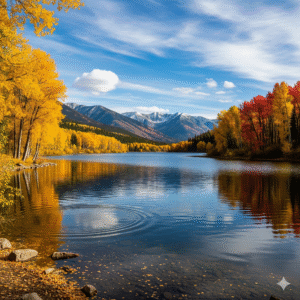
When autumn arrives in the northern Rockies, Montana transforms into one of North America’s premier hunting destinations. The crisp mountain air carries the bugle of bull elk, while black bears prepare for winter in the dense timber. For over two decades, I’ve guided hunters through these pristine wilderness areas, and I can tell you with certainty that choosing the right Montana hunting lodging can make or break your adventure.
At Shangrilog, our Bull Lake cabin sits perfectly positioned in the heart of Troy, Montana’s legendary hunting grounds. This isn’t just another rental property—it’s your gateway to experiencing Montana’s most coveted big game hunting opportunities while enjoying the comfort and convenience that serious hunters deserve.
Why Montana Remains the Ultimate Hunting Destination
Montana’s hunting reputation wasn’t built overnight. With over 147 million acres of diverse terrain, including vast wilderness areas, national forests, and private ranches, the state offers hunting opportunities that simply don’t exist elsewhere. The Continental Divide creates unique microclimates that support thriving populations of elk, black bear, mule deer, whitetail deer, and other big game species.
What sets Montana apart from other western hunting states is the combination of accessible public land and generous hunting seasons. Unlike many destinations where you’re competing with crowds of hunters, Montana’s expansive landscape provides ample opportunity to find your own piece of hunting paradise.
The Bull Lake region, where our hunting lodge is located, exemplifies everything that makes Montana hunting special. Surrounded by the Cabinet Mountains and within striking distance of the Yaak River country, this area consistently produces trophy-class animals while offering the kind of rugged beauty that makes every hunt memorable.
Shangrilog: Your Premier Montana Hunting Lodging Experience
After decades in the hunting industry, I’ve learned that successful hunts start with proper accommodations. Shangrilog isn’t just a place to sleep—it’s a carefully designed hunting headquarters that anticipates every need of the serious sportsman.
Our lakefront Bull Lake rental offers immediate access to prime hunting territories while providing the amenities that allow you to focus entirely on your hunt. The cabin’s strategic location means you can be glassing for elk within minutes of leaving your coffee cup on the kitchen counter.
What distinguishes our Montana hunting cabins from typical vacation rentals is the attention to hunter-specific details. The mudroom is designed for gear organization and meat processing preparation. The kitchen accommodates groups preparing pre-hunt meals or celebrating successful harvests. Most importantly, the cabin’s positioning offers discrete access to hunting areas without disturbing other guests or wildlife.
The surrounding terrain provides diverse hunting opportunities within a compact area. Dense timber for black bear, open meadows and ridge systems for elk, and creek bottoms that funnel deer movement throughout the day. This variety means you’re not locked into hunting a single type of terrain or relying on one hunting strategy.
Montana Black Bear Hunting: Trophy Opportunities at Bull Lake
Black bear hunting in Montana represents one of the state’s most underappreciated opportunities. While elk hunters grab headlines, savvy sportsmen recognize that Montana’s black bear populations are among the healthiest in North America. The dense forests surrounding Bull Lake create ideal bear habitat, supporting both color phase bears and impressive boars that can exceed 400 pounds.
Our Montana black bear hunting lodging provides strategic access to proven bear hunting areas. Spring hunting (when allowed) focuses on south-facing slopes where bears emerge from hibernation to feed on fresh vegetation. Fall hunting targets bears fattening up for winter, making them more predictable as they focus on high-calorie food sources.
The success rate for black bear hunting from our lodge consistently exceeds state averages, primarily due to location advantages and hunting pressure management. Unlike public hunting areas that see heavy traffic, the terrain accessible from Shangrilog receives moderate pressure, allowing bear behavior to remain more natural and predictable.
Black bear hunting techniques from our location include spot-and-stalk hunting along berry-rich hillsides, baiting (where legal and permitted), and opportunistic hunting while pursuing other species. The varied terrain allows hunters to adapt their approach based on conditions and personal preferences.
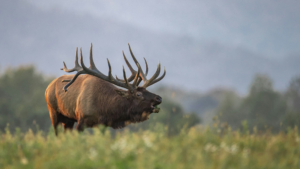
Montana Elk Hunting: Bull Lake’s Crown Jewel Opportunity
Elk hunting represents the pinnacle of Montana hunting experiences, and the Bull Lake area consistently produces encounters with mature bulls. Our fall 2025 deer and elk hunts take advantage of peak rutting activity when bulls are most vocal and aggressive.
The elk hunting success from our Montana hunting lodging stems from several geographical advantages. The area sits at the intersection of multiple elk migration routes, creating natural funneling points where herds concentrate during movement periods. Additionally, the mixed terrain of timber and open parks provides the diverse habitat that elk require throughout their daily routines.
Elk hunting strategies from Shangrilog vary based on hunting pressure, weather conditions, and elk behavior patterns. Early season hunts focus on high-country basins where elk summer. As hunting pressure increases and weather changes, elk move into transitional zones where strategic positioning becomes critical.
The physical demands of elk hunting in this region are moderate compared to other Montana hunting areas. While you’ll still need to be in reasonable physical condition, the terrain doesn’t require the extreme conditioning necessary for some wilderness hunts. This accessibility makes our Montana elk hunting lodging suitable for hunters with varying fitness levels.
Montana Hunting Resorts vs. Hunting Lodges: Understanding Your Options
The terms “hunting resort” and “hunting lodge” often get used interchangeably, but understanding the differences helps you choose accommodations that match your hunting objectives. Traditional Montana hunting resorts typically focus on amenities and luxury services, sometimes at the expense of hunting access and expertise.
Montana hunting ranches with lodging often provide exceptional hunting opportunities but may limit your flexibility to hunt different areas or employ various hunting strategies. These operations excel when their specific terrain and game management align with your hunting preferences.
Shangrilog occupies a unique position in the Montana hunting lodging spectrum. We combine the comfort and convenience of a well-appointed facility with the flexibility and access that independent hunters value. You’re not locked into a specific hunting program, yet you benefit from local knowledge and strategic positioning.
This approach particularly benefits hunters who prefer to customize their experience based on daily conditions, game movement patterns, or personal preferences. Some days you might focus intensively on elk hunting, while others might offer better opportunities for deer or bear. Our Montana hunting cabins provide the flexibility to adapt your approach without sacrificing comfort or convenience.
Montana Hunting Outfitter Lodging: Guided vs. DIY Options
The choice between guided hunts with lodging Montana and DIY hunting lodging Montana represents one of the most important decisions in planning your hunt. Each approach offers distinct advantages, and understanding these differences helps ensure your hunting experience meets expectations.
Guided hunting provides local expertise, equipment support, and often access to private lands that aren’t available to independent hunters. Professional outfitters understand local game patterns, weather impacts, and effective hunting strategies developed through years of experience. For hunters new to Montana or those seeking maximum success potential, guided services often represent the best investment.
DIY hunting lodging Montana appeals to experienced hunters who prefer controlling their own hunting approach and timeline. These hunters typically possess the skills and equipment necessary for self-guided success and value the flexibility to adjust their strategies based on personal observations and preferences.
Shangrilog accommodates both approaches effectively. We maintain relationships with reputable local outfitters for hunters seeking guided services, while our location and facilities support DIY hunters who prefer independence. This flexibility allows hunting parties with mixed preferences to stay together while pursuing their preferred hunting styles.
Montana Hunting Lodging Packages: Maximizing Value and Success
Effective Montana hunting lodging packages go beyond simply providing accommodations. The best packages integrate lodging with services and access that enhance hunting success while providing exceptional value for serious sportsmen.
Our hunting lodging packages at Shangrilog include elements that directly contribute to hunting success. Strategic positioning reduces travel time to hunting areas, allowing more time in the field. Proper facilities support gear preparation and maintenance, ensuring equipment functions reliably when opportunities arise.
Package components that distinguish quality Montana hunting lodging include game processing facilities, secure storage for harvested animals, and logistics support for transporting meat and trophies. These services aren’t luxuries—they’re practical necessities that can determine whether a successful hunt becomes a memorable experience or a logistical nightmare.
The most valuable hunting lodging packages also provide flexibility for changing conditions. Weather, hunting pressure, and game movement patterns can shift dramatically during a hunt, requiring adaptations to hunting strategies and schedules. Quality lodging packages accommodate these changes without penalizing hunters for adjusting their approach.
Montana Deer Hunting Lodging: Whitetail and Mule Deer Opportunities
While elk and bear hunting grab headlines, Montana deer hunting lodging opportunities often provide the most consistent action and highest success rates. The Bull Lake area supports healthy populations of both whitetail and mule deer, with hunting strategies and terrain varying between species.
Whitetail deer in our area typically inhabit creek bottoms, agricultural edges, and mixed timber areas that provide security cover adjacent to feeding areas. These deer respond well to traditional whitetail hunting tactics, including stand hunting, still hunting, and strategic drives through cover.
Mule deer utilize more diverse terrain, from open ridges to steep canyon systems. Their behavior patterns differ significantly from whitetails, requiring hunters to adapt their approach based on terrain and seasonal movement patterns. The area around our Montana deer hunting lodging provides opportunities to hunt both species, often within the same day.
Deer hunting success rates from Shangrilog consistently exceed regional averages, primarily due to location advantages and hunting pressure management. The combination of private and public land access creates diverse hunting opportunities without the extreme pressure found in some popular hunting areas.
Essential Montana Hunting Preparation: Licenses, Tags, and Regulations
Successfully planning your Montana hunting trip requires understanding the state’s licensing system and regulations. Montana operates on a preference point system for many species, with some tags available through over-the-counter sales while others require advance planning through the lottery system.
For elk hunting, non-resident hunters typically need to apply during the spring lottery period, with successful applicants receiving tags for specific hunting districts. Black bear tags are generally available over-the-counter, making bear hunting more accessible for last-minute trip planning. Deer tags vary by species and district, with some areas offering over-the-counter opportunities while others require lottery applications.
Montana hunting regulations change annually, with specific seasons, bag limits, and hunting methods varying by district and species. Successful hunters stay current with regulation changes and understand how these regulations impact hunting strategies and opportunities in their target areas.
The Montana Fish, Wildlife & Parks website serves as the definitive source for current hunting regulations, license requirements, and application deadlines. Non-resident hunters should begin researching license requirements and application processes well in advance of their intended hunting dates.
Physical Preparation and Gear Requirements for Montana Hunting
Montana hunting demands vary significantly based on species, terrain, and hunting methods. Elk hunting typically requires the highest fitness levels, especially when hunting involves significant elevation changes or extended pack-outs. Black bear and deer hunting generally demand moderate fitness levels, though hunters should prepare for varying terrain and weather conditions.
Physical preparation for Montana hunting should begin months before your trip. Cardiovascular conditioning helps hunters maintain performance during long days in varying terrain. Strength training, particularly focusing on legs and core, supports load-carrying requirements and reduces injury risk during challenging conditions.
Essential gear for Montana hunting includes layered clothing systems capable of handling temperature ranges from below freezing to warm afternoon conditions. Quality boots with ankle support and appropriate traction are critical for safety and performance in varied terrain. Optics, including binoculars and rangefinders, become essential tools for hunting in Montana’s expansive landscapes.
Weapon selection and preparation require careful consideration of hunting methods, terrain, and personal capabilities. Whether hunting with rifle, bow, or muzzleloader, ensure your equipment is properly sighted and tested under conditions similar to those you’ll encounter during your hunt.
Understanding Montana Hunting Success Rates and Expectations
Realistic expectations form the foundation of satisfying hunting experiences. Montana hunting success rates vary dramatically based on species, hunting district, weather conditions, and hunter skill levels. Understanding these variables helps hunters set appropriate expectations and make informed decisions about their hunting approach.
Elk hunting success rates in Montana typically range from 15-25% for general licenses, with higher success rates in premium districts or during favorable weather conditions. These statistics reflect the challenging nature of elk hunting and emphasize the importance of proper preparation and realistic expectations.
Black bear hunting generally offers higher success rates, particularly during fall seasons when bears are more active and predictable. Success rates of 40-60% are common in productive bear hunting areas, making bear hunting an excellent choice for hunters seeking higher probability of harvest success.
Deer hunting success rates typically fall between elk and bear hunting, with significant variation based on species, district, and hunting pressure. Whitetail hunting generally offers higher success rates than mule deer hunting, though trophy quality may favor mule deer in certain areas.
Weather Considerations and Seasonal Timing for Montana Hunting
Montana weather during hunting seasons can range from pleasant Indian summer conditions to severe winter storms that challenge even experienced hunters. Understanding seasonal weather patterns and preparing for extreme conditions becomes critical for both safety and hunting success.
Early season hunting (September-October) often features warm days and cool nights, with occasional rain or early snow at higher elevations. Layered clothing systems and waterproof gear become essential for comfort and safety during changing conditions.
Late season hunting (November-December) frequently involves snow, cold temperatures, and potentially severe weather conditions. While these conditions can be challenging, they often improve hunting success by concentrating game in predictable areas and making tracking more productive.
Weather impacts on hunting success extend beyond hunter comfort. Game behavior changes significantly with weather conditions, with some of the best hunting occurring before and after storm systems. Experienced hunters learn to read weather patterns and adjust their hunting strategies accordingly.
Meat Handling and Trophy Preparation: Preserving Your Success
Successful hunts require proper planning for meat and trophy handling. Montana’s variable weather conditions and remote hunting locations create unique challenges for preserving harvested game. Proper preparation ensures your hard-earned success translates into quality table fare and lasting memories.
Field dressing techniques vary by species and conditions, but proper cooling becomes critical regardless of game type. Montana’s temperature fluctuations mean game meat can spoil quickly if not handled properly, particularly during warm weather periods.
Transportation and storage of harvested game requires advance planning, especially for non-resident hunters. Understanding local processing facilities, shipping requirements, and storage options prevents logistical problems that can diminish hunting success.
Trophy preparation decisions should be made before your hunt begins. Research reputable taxidermists, understand shipping requirements, and plan for proper cape care if trophy preparation is important to your hunting objectives.
Technology and Communication During Montana Hunts
Modern hunting increasingly relies on technology for navigation, communication, and safety. However, Montana’s remote hunting areas often challenge technological solutions, requiring hunters to balance modern tools with traditional skills and backup systems.
GPS navigation systems provide critical safety and efficiency benefits but require backup plans for equipment failure or battery depletion. Paper maps and compass skills remain essential capabilities for serious hunters, particularly in areas with limited cell coverage.
Communication devices, including satellite communicators and cell phone boosters, enhance safety during remote hunting activities. However, hunters should understand coverage limitations and have emergency communication plans that don’t rely exclusively on technology.
Weather monitoring technology helps hunters track conditions and make informed decisions about daily hunting plans. However, mountain weather can change rapidly, requiring hunters to observe local conditions and adjust plans accordingly.
Frequently Asked Questions About Montana Hunting Lodging
What’s included in the price of the hunting lodging package?
Our Montana hunting lodging packages at Shangrilog include comfortable cabin accommodations with full kitchen facilities, secure gear storage, and access to game processing areas. The package covers lodging for up to eight guests, with amenities including high-speed internet, satellite TV, and outdoor areas for relaxation after hunting. Additional services such as guided hunts, meals, and equipment rentals are available as add-ons to customize your hunting experience based on your specific needs and preferences.
What licenses and tags are required for a Montana hunting trip?
Montana hunting requires a base hunting license plus species-specific tags. Non-residents need a conservation license and general hunting license as prerequisites. Elk tags typically require advance lottery applications through Montana Fish, Wildlife & Parks, while black bear tags are often available over-the-counter. Deer tags vary by district and species, with some requiring lottery applications and others available for immediate purchase. All hunters must complete hunter safety certification, and some areas require additional hunter education requirements. We recommend checking the current Montana hunting regulations and consulting with Montana Fish, Wildlife & Parks for specific license requirements based on your hunting objectives.
What is the success rate for harvesting a black bear or elk?
Success rates vary significantly based on hunting conditions, hunter experience, and seasonal factors. Black bear hunting from our lodge typically achieves success rates of 50-70% due to strategic location and moderate hunting pressure in our area. Elk hunting success rates generally range from 25-40%, depending on weather conditions and rutting activity. These rates exceed regional averages primarily due to our location advantages and the diverse hunting opportunities available from our Montana hunting lodging. Success rates improve significantly for hunters who book multiple days and remain flexible with their hunting strategies based on daily conditions.
What is the cancellation and refund policy?
Our cancellation policy balances flexibility for hunters with operational requirements for maintaining quality accommodations. Cancellations made more than 60 days prior to arrival receive full refunds minus a processing fee. Cancellations between 30-60 days receive 75% refunds, while cancellations within 30 days receive 50% refunds. Weather-related cancellations or documented emergencies may qualify for additional consideration. We strongly recommend purchasing travel insurance to protect your investment against unforeseen circumstances. Trip modifications, including date changes or guest number adjustments, can often be accommodated with advance notice and may be subject to availability and rate adjustments.
What gear and clothing should I bring?
Montana hunting requires layered clothing systems capable of handling temperature ranges from below freezing to warm afternoon conditions. Essential items include insulated boots, waterproof outer layers, warm base layers, and quality gloves and headwear. Hunting-specific gear should include appropriate weapons and ammunition, quality optics for ranging and spotting, and a reliable pack for day hunts. Personal items include headlamps, extra batteries, first aid supplies, and any prescription medications. We provide a detailed packing list upon booking confirmation, customized based on your hunting dates and target species. Local sporting goods stores can supply forgotten items, though advance preparation ensures optimal hunting performance.
How physically demanding are the hunts?
Physical demands vary significantly based on hunting species and personal hunting preferences. Our Montana hunting lodging provides access to hunting opportunities ranging from minimal physical demands to moderate hiking requirements. Most hunting areas accessible from our lodge require walking distances of 1-3 miles over varied terrain, with elevation changes typically under 1,000 feet. Elk hunting generally demands higher fitness levels, particularly if pack-out assistance isn’t arranged. Black bear and deer hunting often involve moderate physical requirements, though hunters can choose approaches that match their fitness levels. We work with guests to identify hunting opportunities appropriate for their physical capabilities and preferences.
Is there cell service or Wi-Fi available at the lodge?
Our Montana hunting cabins feature reliable high-speed internet and Wi-Fi throughout the facility, allowing hunters to stay connected with family and business obligations. Cell phone coverage varies by carrier, with most major providers offering adequate service in the immediate lodge area. However, cell coverage becomes limited or non-existent in many hunting areas, particularly in mountainous terrain or deep valleys. We recommend downloading offline maps and informing family members about potential communication limitations during hunting activities. Satellite communication devices are available for rent for hunters requiring emergency communication capabilities in remote areas.
How will meat and trophies be handled after a successful hunt?
Proper game handling begins immediately after harvest, with our facilities designed to support field dressing and initial cooling requirements. We maintain relationships with local meat processors who specialize in wild game processing, with services ranging from basic butchering to specialty cuts and sausage making. Trophy preparation requires advance planning, with several reputable taxidermists available locally for cape preparation and initial trophy work. For non-resident hunters, we coordinate shipping arrangements for both processed meat and trophy materials. Hunters should plan processing and shipping costs into their hunting budgets, as these services represent additional expenses beyond lodging and licensing fees.
Can I bring a non-hunting partner or guest with me?
Our Montana hunting lodging welcomes non-hunting guests and provides activities and amenities for companions who prefer not to hunt. The Bull Lake location offers excellent fishing opportunities, hiking trails, and wildlife viewing that can occupy non-hunters during hunting periods. The cabin’s location near Bull Lake provides scenic beauty and recreational opportunities that appeal to outdoor enthusiasts regardless of hunting interest. Non-hunting guests are included in lodging capacity and pricing, though some activities may involve additional fees. We recommend discussing companion activities during booking to ensure appropriate recommendations and arrangements for mixed-interest groups.
What is the typical daily schedule during a hunt?
Hunting schedules vary based on species, weather conditions, and personal preferences, though most successful hunts follow similar daily patterns. Early morning activities typically begin before sunrise, with hunters departing the lodge in darkness to reach hunting positions during prime game movement periods. Morning hunts often extend through mid-morning, followed by midday returns to the lodge for meals and rest. Evening hunts usually begin in mid-afternoon, continuing through sunset and into early darkness. This schedule maximizes hunting during peak game activity periods while allowing adequate rest and meal times. Hunters can adjust schedules based on game behavior, weather conditions, and personal preferences, with flexibility being one of the advantages of our Montana hunting lodging approach.
Conclusion: Your Montana Hunting Adventure Awaits
Montana hunting represents one of North America’s premier outdoor experiences, combining challenging hunting opportunities with breathtaking scenery and the satisfaction of pursuing game in their natural habitat. The key to maximizing your Montana hunting experience lies in choosing accommodations that enhance rather than complicate your hunting objectives.
At Shangrilog, our big game hunting Montana lodges provide the strategic positioning, practical amenities, and local expertise that serious hunters require. Whether you’re pursuing trophy elk, planning your first black bear hunt, or seeking diverse hunting opportunities in a single trip, our Bull Lake location offers access to some of Montana’s most productive hunting areas.
The combination of prime hunting access, comfortable accommodations, and flexible service approaches makes Shangrilog an ideal choice for hunters who demand both quality and value. Our commitment to hunter success extends beyond simply providing lodging to include the local knowledge, strategic positioning, and practical support that can determine the difference between a good hunting trip and an unforgettable hunting adventure.
Montana’s hunting seasons are limited, and the best accommodations book well in advance. Don’t let another hunting season pass without experiencing the exceptional opportunities available from our Montana hunting lodging. Contact us today to begin planning your fall 2025 Montana hunting adventure and discover why discriminating hunters choose Shangrilog for their Montana hunting experiences.
The mountains are calling, the game is waiting, and your hunting adventure of a lifetime is just a reservation away. Book now and join the ranks of successful hunters who have discovered that the right Montana hunting lodging makes all the difference between dreaming about big game hunting and actually experiencing the thrill of success in Big Sky Country.