Spring in Montana: Your Guide to Fishing, Hiking & Wildlife
As someone who has spent over three decades guiding visitors through Montana’s pristine wilderness and operating vacation rental properties in Big Sky Country, I can tell you that spring in Montana offers an experience unlike anywhere else on Earth. The transformation from winter’s grip to nature’s awakening creates a magical window of opportunity for outdoor enthusiasts seeking authentic Montana travel experiences.
From my base at Shangrilog, A Bull Lake Cabin in Troy, Montana, I’ve witnessed thousands of guests discover why spring represents the perfect time for fishing, hiking, and wildlife watching in our spectacular corner of the world. The season brings a unique combination of accessibility, abundance, and adventure that seasoned outdoors enthusiasts and newcomers alike find irresistible.
Why Spring Transforms Montana Into an Outdoor Paradise
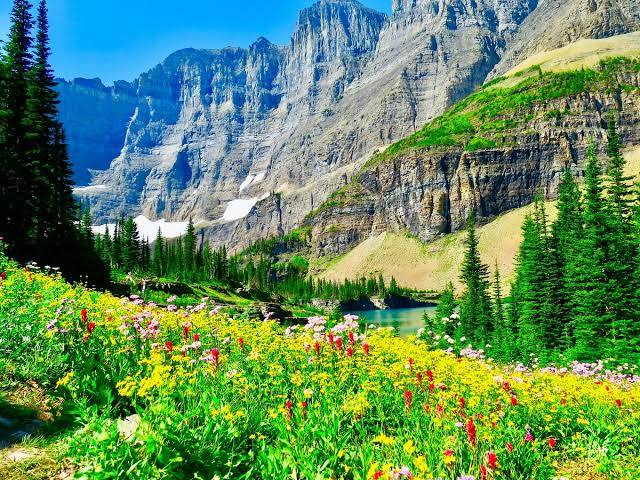
Spring in Montana arrives with dramatic flair. Snow begins melting from the valleys while mountain peaks retain their winter crowns, creating a landscape of contrasts that photographers dream about. Rivers swell with runoff, awakening trout from their winter lethargy. Wildlife emerges from winter refuges, and hiking trails become accessible after months of snow cover.
During my years in the vacation rental business, I’ve observed that spring visitors often return year after year, drawn by the season’s unique offerings. The crowds haven’t arrived yet, temperatures are comfortable for extended outdoor activities, and nature puts on its most impressive show of renewal and abundance.
For those planning a Montana vacation, spring provides the ideal balance of weather conditions and wildlife activity that makes every outdoor adventure memorable. Whether you’re casting your first fly on pristine waters or spotting your first grizzly bear emerging from hibernation, spring in Montana creates lifelong memories.
The Art and Science of Spring Fishing in Montana
Understanding Montana’s Spring Fishing Excellence
Montana’s reputation as a world-class fishing destination reaches its peak during spring months. After decades of guiding anglers through our waters, I can confidently say that spring fishing in Montana offers conditions that rival any destination worldwide. The combination of snowmelt, warming water temperatures, and hungry fish creates perfect storm conditions for exceptional angling experiences.
The state’s diverse water systems come alive during spring. From the legendary streams near Glacier National Park to the pristine lakes surrounding our Bull Lake fishing opportunities, Montana offers fishing experiences that cater to every skill level and preference.
Prime Fish Species for Spring Anglers
Rainbow Trout lead the charge in spring fishing excitement. These beautiful fish become incredibly active as water temperatures rise, providing consistent action throughout the day. Their aggressive feeding behavior during spring makes them ideal targets for both experienced fly fishing Montana enthusiasts and newcomers to the sport.
Brown Trout offer a more challenging but rewarding experience. These wary fish become more accessible during spring’s optimal water conditions. Their size and fighting ability make them prized catches for serious anglers seeking trophy fish during their Montana fishing trips.
Cutthroat Trout, Montana’s native species, provide authentic Big Sky Country fishing experiences. These fish thrive in our pristine mountain lakes and streams, offering anglers the chance to connect with Montana’s fishing heritage while enjoying world-class sport.
Mountain Whitefish and Northern Pike round out the spring fishing opportunities, each offering unique challenges and rewards for anglers exploring Montana’s diverse aquatic ecosystems.
Optimal Timing for Spring Fishing Success
Years of experience have taught me that successful spring fishing depends heavily on timing. Early morning hours, particularly the first two hours after sunrise, consistently produce the best results. Water temperatures remain stable, insect activity peaks, and fish feed aggressively before midday warming affects their behavior.
Late afternoon through early evening represents the second prime window. As temperatures moderate and light conditions change, trout become active again, often providing spectacular fishing opportunities as the day winds down.
Weather patterns significantly impact fishing success. Overcast days often outperform bright, sunny conditions because diffused light makes fish less spooky and extends feeding periods throughout the day.
Essential Spring Fishing Regulations and Guidelines
Montana’s fishing regulations reflect careful conservation management designed to protect our aquatic resources while providing exceptional angling opportunities. All anglers aged 12 and older must possess valid Montana fishing licenses, available through Montana Fish, Wildlife & Parks or licensed vendors.
Spring fishing seasons vary by water body and species, with most streams and lakes opening by the third Saturday in May. However, some waters maintain year-round seasons with specific regulations during spring months.
Bag limits and size restrictions apply to all species and may change seasonally to protect spawning fish. Many streams implement special regulations including catch-and-release requirements or specific tackle restrictions during spring months.
Conservation licenses provide additional funding for habitat improvement projects while offering anglers enhanced opportunities on designated waters.
Premier Spring Fly Fishing Destinations
The Clark Fork River system offers over 300 miles of world-class fly fishing opportunities. Spring conditions on the Clark Fork create ideal habitat for large trout, with consistent hatches providing excellent dry fly fishing experiences.
Rock Creek near Missoula represents one of Montana’s most productive spring fishing destinations. This pristine stream offers classic Montana fly fishing experiences with abundant wildlife viewing opportunities along its banks.
The Bitterroot River provides excellent spring fishing with spectacular mountain scenery. The river’s diverse habitat supports healthy trout populations and offers fishing opportunities for all skill levels.
Bull Lake itself provides exceptional lake fishing opportunities during spring months. Our guests at Bull Lake cabin rentals enjoy exclusive access to some of the region’s most productive fishing waters right outside their doors.
Effective Spring Fishing Techniques and Flies
Nymph fishing dominates spring success strategies. As water temperatures rise gradually, trout feed heavily on subsurface insects, making nymph patterns extremely effective. Pheasant Tail Nymphs, Hare’s Ear Nymphs, and Prince Nymphs consistently produce results during spring conditions.
Streamer fishing becomes increasingly productive as runoff increases water flow and reduces visibility. Woolly Buggers, Muddler Minnows, and Zonkers effectively imitate baitfish and attract aggressive strikes from hungry trout.
Dry fly fishing opportunities emerge as insect hatches begin occurring regularly. Blue-Winged Olive patterns, Caddis imitations, and Midge patterns match common spring hatches throughout Montana waters.
Spinning gear provides excellent alternatives for anglers preferring conventional tackle. Rooster Tails, Panther Martins, and Kastmasters work effectively in spring conditions, particularly on larger waters and during high runoff periods.
Discovering Montana’s Spring Hiking Opportunities
Trail Conditions and Seasonal Accessibility
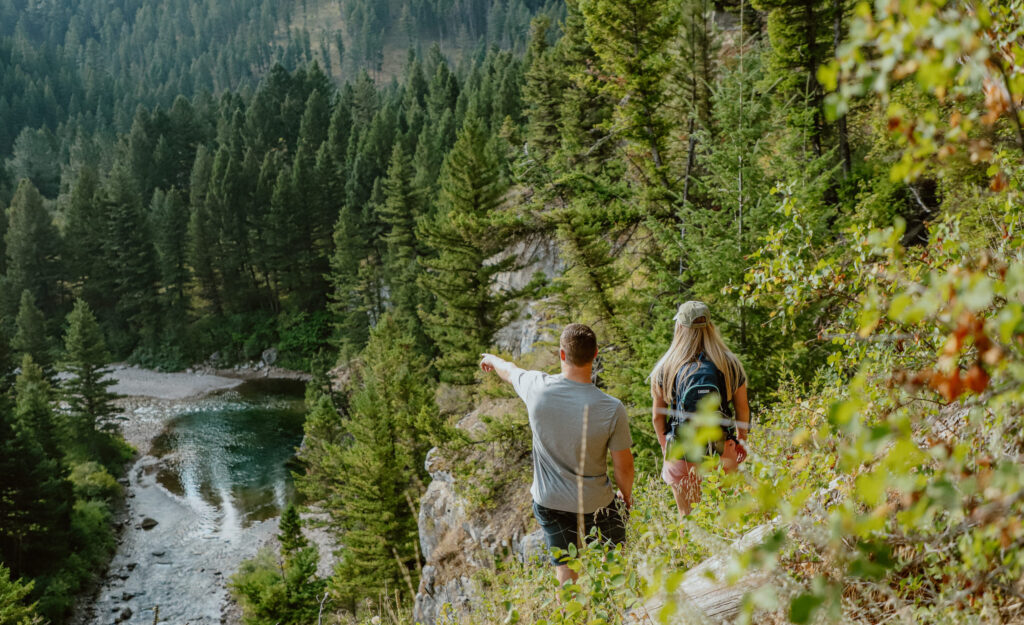
Spring hiking in Montana requires understanding how elevation and exposure affect trail conditions. Lower elevation trails typically become accessible by April, while high mountain trails may remain snow-covered through June. This elevation gradient creates diverse hiking opportunities throughout the spring season.
South-facing slopes clear of snow weeks before north-facing aspects, allowing experienced hikers to choose routes based on current conditions and personal preferences. Trail maintenance typically begins in lower elevations during April and gradually progresses to higher terrain as conditions permit.
Beginner-Friendly Spring Hiking Destinations
River trail systems provide excellent introductory hiking experiences during spring. These relatively flat trails follow water courses, offering consistent grade and spectacular scenery while minimizing elevation gain challenges for newer hikers.
Nature loops around populated areas offer shorter hiking experiences perfect for families or those testing their spring fitness levels. These well-maintained trails typically feature interpretive signs highlighting local flora, fauna, and geological features.
Lake perimeter trails combine moderate exercise with scenic rewards. Walking around mountain lakes provides varied terrain and photography opportunities while maintaining manageable distances for hikers of all ability levels.
Essential Spring Hiking Preparation
Layered clothing systems prove crucial for spring hiking success. Temperatures can vary dramatically with elevation changes and weather pattern shifts. Moisture-wicking base layers, insulating mid-layers, and weather-resistant outer shells provide flexibility for changing conditions.
Proper footwear becomes especially important during spring hiking. Waterproof hiking boots with aggressive tread patterns handle muddy conditions and occasional snow patches encountered on spring trails.
Navigation tools including topographic maps, compass, and GPS devices help hikers safely navigate trails where snow may obscure traditional markers or where spring runoff has altered familiar landmarks.
Current Trail Information Resources
Montana Fish, Wildlife & Parks maintains current trail condition reports through their website and local offices. These resources provide essential information about closures, seasonal restrictions, and current accessibility for specific trail systems.
Local ranger districts offer detailed, up-to-date trail information specific to their management areas. Checking with ranger stations before hiking adventures ensures access to the most current safety and condition information.
Weather services provide crucial information about current and forecasted conditions affecting hiking safety and enjoyment. Spring weather patterns can change rapidly, making current weather information essential for planning successful hiking adventures.
Solo Hiking Safety Considerations
Communication plans become especially important during spring hiking when fewer people use trail systems. Satellite communication devices provide emergency communication capabilities in areas without cell phone coverage.
Wildlife awareness increases during spring months as animals become more active after winter dormancy. Understanding bear safety protocols and carrying bear spray provides essential protection during solo hiking adventures.
Emergency preparedness requires carrying essential supplies including first aid materials, emergency shelter, extra food and water, and signaling devices capable of attracting rescue attention if needed.
Wildlife Watching: Spring’s Greatest Show
Montana’s Spring Wildlife Awakening
Spring wildlife watching in Montana offers experiences that rival the world’s premier wildlife destinations. After three decades of guiding visitors through our wilderness areas, I can confidently state that spring provides the most diverse and active wildlife viewing opportunities of any season.
The combination of emerging vegetation, warming temperatures, and breeding seasons creates perfect conditions for observing Montana’s incredible wildlife diversity. From our Montana wildlife watching locations, guests regularly encounter species that many people only see in nature documentaries.
Spring’s Star Wildlife Species
Black Bears emerge from winter dens during April and May, creating exceptional viewing opportunities for those who understand proper safety protocols. These magnificent animals focus on finding fresh vegetation and rebuilding their strength after months of hibernation.
Grizzly Bears provide even more spectacular viewing experiences, though they demand greater respect and safety awareness. Spring represents peak activity periods for grizzly bears as they search for food sources and establish territorial boundaries.
Elk herds become highly visible during spring migration periods. These majestic animals move between winter ranges and summer feeding areas, often traveling through valleys and meadows where wildlife watchers can observe their behavior.
White-tailed Deer and Mule Deer increase their activity levels dramatically during spring months. Fresh vegetation draws them into open areas where their graceful movements and alert behavior provide excellent photography and observation opportunities.
Mountain Goats become more visible on exposed rock faces and alpine meadows as snow recedes. Their incredible climbing abilities and stark white coloring make them among the most photographed wildlife species in Montana.
Bighorn Sheep offer spectacular viewing opportunities during spring lambing seasons. These powerful animals gather in traditional areas where their social behaviors and impressive horn displays create memorable wildlife experiences.
Premier Wildlife Viewing Locations
Yellowstone National Park provides world-renowned wildlife viewing opportunities just hours from our Bull Lake location. Spring brings incredible diversity and activity levels that attract wildlife enthusiasts from around the globe.
Glacier National Park offers pristine wilderness settings where wildlife viewing combines with spectacular mountain scenery. The park’s diverse ecosystems support healthy populations of all major Montana species.
National Bison Range near Missoula provides guaranteed bison viewing opportunities along with diverse bird species and smaller mammals. The range’s managed ecosystem demonstrates successful wildlife conservation while providing exceptional visitor experiences.
Lee Metcalf National Wildlife Refuge offers outstanding bird watching opportunities during spring migration periods. The refuge’s wetland habitats attract hundreds of species during peak migration times.
Safe Wildlife Viewing Practices
Proper viewing distances represent the most critical aspect of safe wildlife watching. Bears require minimum 100-yard distances, while elk, deer, and moose should be observed from at least 25 yards away. These distances protect both wildlife and observers while allowing excellent viewing and photography opportunities.
Vehicle-based viewing provides the safest platform for wildlife observation, particularly when encountering large or potentially dangerous species. Vehicles offer quick escape routes while providing stable platforms for photography and extended observation periods.
Noise management enhances both safety and viewing success. Quiet observation reduces stress on wildlife while increasing the likelihood of natural behavior display. Loud conversations, music, or sudden movements often cause wildlife to flee before quality viewing opportunities develop.
Food storage protocols prevent dangerous wildlife encounters and protect animal health. All food items must remain secured in vehicles or approved containers to prevent conditioning wildlife to associate humans with food sources.
Understanding Bear Emergence Patterns
Hibernation emergence occurs gradually during April and May, with timing dependent on elevation, weather patterns, and individual bear characteristics. Male bears typically emerge first, followed by females with cubs several weeks later.
Early spring behavior focuses on finding easily digestible food sources including fresh grasses, roots, and carrion from winter mortality. Bears often appear lethargic during initial emergence periods as their digestive systems readjust to active feeding.
Territorial establishment becomes important as multiple bears emerge in similar areas. Adult males establish dominance hierarchies while females with cubs seek secure areas away from potential threats.
Warning signs of recent bear activity include fresh tracks, scat, claw marks on trees, disturbed vegetation, and strong musky odors in areas bears have recently occupied.
Spring Bird Watching Excellence
Migration periods bring incredible bird diversity to Montana during spring months. Waterfowl arrive first, followed by songbirds, raptors, and shorebirds as conditions warm and food sources become available.
Breeding behaviors create exceptional viewing opportunities as birds establish territories, build nests, and engage in courtship displays. Bird photography during spring often captures behaviors rarely seen during other seasons.
Habitat diversity throughout Montana supports over 400 bird species, with spring migrations bringing many species through areas where they’re rarely seen during other seasons.
Weather Patterns and Seasonal Preparation
Understanding Montana’s Spring Weather
Montana spring weather demonstrates why the state earned its “Big Sky Country” nickname. Weather patterns can change dramatically within hours, creating conditions that range from shirt-sleeve comfort to winter storm intensity. After decades of outdoor guiding experience, I’ve learned that successful spring adventures depend entirely on understanding and preparing for these variable conditions.
Temperature fluctuations of 40-50 degrees within 24-hour periods are common during spring months. Morning temperatures may hover near freezing while afternoon conditions reach into the 70s, requiring layered clothing systems that adapt to changing conditions throughout the day.
Precipitation patterns shift dramatically during spring transition periods. Rain, snow, sleet, and hail can occur within single weather systems, making waterproof gear essential for all outdoor activities.
Wind conditions intensify during spring months as pressure systems move through the region more frequently. Sustained winds of 20-30 mph with higher gusts require secure camping setups and careful attention to fire safety protocols.
Essential Spring Weather Preparation
Layering systems provide the flexibility needed for Montana’s variable spring conditions. Base layers should wick moisture while providing insulation during cool morning conditions. Mid-layers offer warmth that can be easily removed as temperatures rise, while outer layers protect against wind and precipitation.
Waterproof gear becomes essential during spring months when precipitation can arrive suddenly and intensely. Rain jackets, waterproof pants, and pack covers protect both people and equipment from sudden weather changes.
Emergency supplies take on greater importance during spring when weather conditions can strand outdoor enthusiasts unexpectedly. Emergency shelter, extra food and water, fire starting materials, and signaling devices provide crucial safety margins.
Regional Weather Variations
Northwestern Montana experiences more moderate temperature swings but receives higher precipitation amounts during spring months. Glacier National Park areas may receive snow at any time during spring, requiring winter gear availability even during warm weather periods.
Southwestern Montana demonstrates greater temperature extremes but typically receives less precipitation. Yellowstone National Park regions experience similar patterns with elevation-dependent variations throughout the area.
Eastern Montana shows continental climate influences with rapid weather changes and potentially severe storm systems. Wind conditions become especially important in eastern regions where terrain provides less natural protection.
Beyond the Big Three: Additional Spring Activities
Photography Adventures in Big Sky Country
Nature photography Montana opportunities during spring rival those found anywhere in North America. The combination of dramatic weather, emerging wildlife, and spectacular mountain scenery creates ideal conditions for photographers of all skill levels.
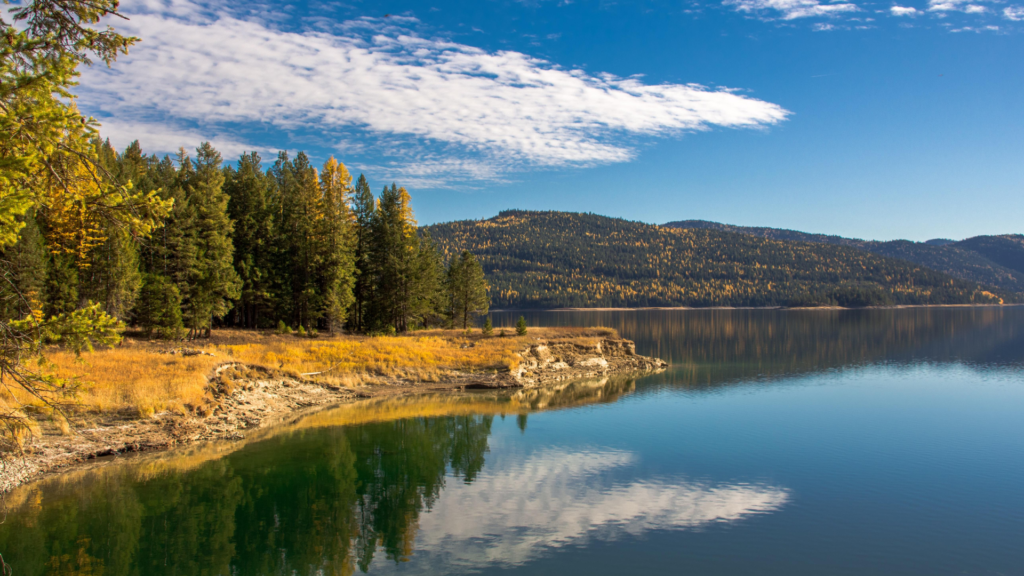
Landscape photography benefits from spring’s dramatic cloud formations and enhanced water features. Waterfalls reach peak flow during snowmelt periods, while wildflower blooms begin appearing at lower elevations by late spring.
Wildlife photography opportunities expand dramatically during spring activity periods. Bird photography becomes especially rewarding during migration and nesting seasons when species diversity reaches annual peaks.
Mountain Recreation Opportunities
Backpacking Montana begins transitioning from winter camping skills to traditional backpacking as trail access improves throughout spring months. Lower elevation circuits become accessible by April, while high mountain routes open gradually through May and June.
Rock climbing conditions improve dramatically as temperatures warm and approaches become accessible. Sport climbing areas typically clear before traditional climbing routes due to southern exposure and lower elevation characteristics.
Mountain biking opportunities expand as trail maintenance crews clear winter debris and trail conditions improve. Fat bike capabilities allow earlier season access to trails still affected by occasional snow patches.
Cultural and Historical Exploration
Ghost towns and historical sites throughout Montana become more accessible during spring months. These locations offer fascinating glimpses into Montana’s mining and settlement history while providing excellent photography opportunities.
Native American cultural sites provide opportunities to learn about the region’s indigenous heritage. Many sites offer interpretive programs during spring months as tourism seasons begin developing.
Museum visits in nearby communities offer excellent alternatives during weather-sensitive periods. Local museums often feature exhibits highlighting regional history, geology, and wildlife information relevant to outdoor adventures.
Guided Tour Opportunities
Professional guide services provide excellent introductions to Montana outdoor recreation while ensuring safety and educational value. Guided tours Montana options range from half-day fishing expeditions to multi-day wilderness adventures.
Educational programs offered through various organizations provide structured learning opportunities about local ecosystems, wildlife behavior, and outdoor skills development.
Photography workshops combine professional instruction with access to premier locations and optimal timing for capturing Montana’s spring beauty.
Timing Your Montana Spring Adventure
Avoiding Crowds While Maximizing Experiences
Early season advantages include minimal crowd competition for premier locations and accommodations, while wildlife viewing typically improves due to reduced human pressure. April through early May offers the best balance of accessibility and solitude.
Shoulder season benefits extend to accommodation availability and pricing, with Montana cabin rental opportunities often providing better value during periods just before peak season demand develops.
Weather trade-offs during early season include more variable conditions but often provide more dramatic photography opportunities and enhanced wildlife activity levels.
Seasonal Activity Optimization
Fishing typically peaks during late April through May as water temperatures stabilize and insect hatches begin occurring regularly. Ice-off timing varies by elevation and water body size, with larger lakes typically clearing later than streams and smaller waters.
Hiking accessibility improves gradually from April through June depending on elevation and trail exposure. Valley trails become accessible first, while high mountain routes may remain snow-covered through early summer.
Wildlife watching remains excellent throughout spring months, with bear emergence typically beginning in April and bird migration continuing through May and early June.
Dealing with Spring’s Natural Challenges
Insect Awareness and Management
Mosquito activity begins developing during late spring as standing water from snowmelt creates breeding habitat. Peak mosquito periods typically occur during June, though spring conditions may see earlier activity in warm, wet years.
Tick activity increases significantly during spring months as these parasites become active following winter dormancy. Deer ticks and wood ticks both pose health risks, requiring preventive measures and regular checking protocols.
Prevention strategies include insect repellent use, appropriate clothing choices, and regular inspection routines to identify and remove ticks before disease transmission can occur.
Understanding Traffic Wildlife Encounters
Bison jams occur when these massive animals use roadways for travel corridors or thermal regulation. Proper response protocols include maintaining safe distances, remaining in vehicles, and exercising patience until animals move naturally.
Wildlife crossing periods increase dramatically during spring months as animals move between winter and summer ranges. Dawn and dusk hours present highest risk periods for vehicle-wildlife collisions.
Safety protocols require reduced speed limits in wildlife areas, constant vigilance during travel, and emergency equipment availability including first aid supplies and communication devices.
Planning Your Perfect Montana Spring Adventure
Accommodation Selection Strategy
Choosing the right base for your Montana spring adventure significantly impacts the overall experience quality. Family cabin vacations provide the flexibility and amenities needed for successful outdoor adventures while offering comfortable refuge from variable spring weather conditions.
Location considerations should prioritize access to multiple activity types while minimizing travel distances to premier destinations. Bull Lake’s central location provides excellent access to both Glacier National Park and Yellowstone National Park while maintaining proximity to diverse local opportunities.
Amenities importance increases during spring months when weather variability may require indoor alternatives or gear drying capabilities. Fully equipped cabins with cooking facilities, laundry access, and covered outdoor spaces enhance adventure flexibility.
Activity Planning Integration
Multi-day itineraries should incorporate weather flexibility while ensuring access to diverse activity options. Backup plans become essential during spring when weather conditions can eliminate specific activities temporarily.
Equipment coordination allows sharing of gear between activities while minimizing packing requirements. Fishing equipment often doubles for hiking accessories, while wildlife watching gear enhances hiking and photography experiences.
Transportation planning should consider seasonal road conditions and wildlife crossing areas. Early morning departures often provide optimal wildlife viewing opportunities while avoiding afternoon traffic patterns.
Frequently Asked Questions
What are the best types of fish to catch in Montana during the spring?
Spring fishing in Montana offers exceptional opportunities for several prime species. Rainbow trout become incredibly active as water temperatures rise, providing consistent action throughout the day with their aggressive feeding behavior. Brown trout offer more challenging but highly rewarding experiences, with spring’s optimal water conditions making these wary fish more accessible to dedicated anglers. Cutthroat trout, Montana’s native species, thrive in pristine mountain lakes and streams, offering authentic fishing experiences that connect anglers with the state’s fishing heritage. Mountain whitefish and northern pike round out the spring opportunities, each providing unique challenges and rewards for anglers exploring Montana’s diverse aquatic ecosystems.
What is the ideal time of day for spring fishing in Montana?
Optimal spring fishing timing centers around two primary windows that consistently produce the best results. Early morning hours, particularly the first two hours after sunrise, offer stable water temperatures, peak insect activity, and aggressive fish feeding before midday warming affects their behavior. Late afternoon through early evening represents the second prime opportunity as temperatures moderate and light conditions change, often providing spectacular fishing as the day winds down. Overcast days frequently outperform bright, sunny conditions because diffused light makes fish less spooky and extends feeding periods throughout the day.
What are the regulations for fishing in Montana, and do they change in the spring?
Montana fishing regulations reflect careful conservation management designed to protect aquatic resources while providing exceptional angling opportunities. All anglers aged 12 and older must possess valid Montana fishing licenses, available through Montana Fish, Wildlife & Parks or licensed vendors. Spring fishing seasons vary by water body and species, with most streams and lakes opening by the third Saturday in May, though some waters maintain year-round seasons with specific spring regulations. Bag limits and size restrictions apply to all species and may change seasonally to protect spawning fish, with many streams implementing special regulations including catch-and-release requirements or specific tackle restrictions during spring months.
Where are the best spots for fly fishing in Montana in the spring?
The Clark Fork River system offers over 300 miles of world-class fly fishing opportunities, with spring conditions creating ideal habitat for large trout and consistent hatches providing excellent dry fly fishing experiences. Rock Creek near Missoula represents one of Montana’s most productive spring destinations, offering classic Montana fly fishing with abundant wildlife viewing along its banks. The Bitterroot River provides excellent spring fishing with spectacular mountain scenery, supporting healthy trout populations and opportunities for all skill levels. Bull Lake itself offers exceptional lake fishing during spring months, with exclusive access available to guests staying at our lakefront properties.
What kind of bait or flies should I use for spring fishing?
Nymph fishing dominates spring success strategies as water temperatures rise gradually and trout feed heavily on subsurface insects. Pheasant Tail Nymphs, Hare’s Ear Nymphs, and Prince Nymphs consistently produce results during spring conditions. Streamer fishing becomes increasingly productive as runoff increases water flow and reduces visibility, with Woolly Buggers, Muddler Minnows, and Zonkers effectively imitating baitfish and attracting aggressive strikes. Dry fly fishing opportunities emerge as insect hatches occur regularly, with Blue-Winged Olive patterns, Caddis imitations, and Midge patterns matching common spring hatches. For spinning gear enthusiasts, Rooster Tails, Panther Martins, and Kastmasters work effectively, particularly on larger waters during high runoff periods.
Are hiking trails in Montana open in the spring, and are there still snowy or icy conditions?
Spring hiking trail accessibility depends heavily on elevation and exposure, creating diverse opportunities throughout the season. Lower elevation trails typically become accessible by April, while high mountain trails may remain snow-covered through June. South-facing slopes clear weeks before north-facing aspects, allowing experienced hikers to choose routes based on current conditions and preferences. Trail maintenance begins in lower elevations during April and gradually progresses to higher terrain as conditions permit, with river trail systems providing excellent introductory experiences and nature loops around populated areas offering shorter options perfect for testing spring fitness levels.
What are some of the best hiking trails for beginners in spring?
River trail systems provide excellent introductory hiking experiences during spring, offering relatively flat terrain following water courses with consistent grade and spectacular scenery while minimizing elevation gain challenges. Nature loops around populated areas offer shorter hiking experiences perfect for families, featuring well-maintained trails with interpretive signs highlighting local flora, fauna, and geological features. Lake perimeter trails combine moderate exercise with scenic rewards, providing varied terrain and photography opportunities while maintaining manageable distances for hikers of all ability levels.
What gear and clothing should I pack for spring hiking in Montana?
Layered clothing systems prove crucial for spring hiking success due to dramatic temperature variations with elevation changes and weather shifts. Moisture-wicking base layers, insulating mid-layers, and weather-resistant outer shells provide necessary flexibility for changing conditions. Proper footwear becomes especially important, with waterproof hiking boots featuring aggressive tread patterns handling muddy conditions and occasional snow patches. Navigation tools including topographic maps, compass, and GPS devices help hikers safely navigate trails where snow may obscure markers or spring runoff has altered familiar landmarks.
How can I find out about current trail conditions and closures?
Montana Fish, Wildlife & Parks maintains current trail condition reports through their website and local offices, providing essential information about closures, seasonal restrictions, and accessibility for specific trail systems. Local ranger districts offer detailed, up-to-date trail information specific to their management areas, with ranger station consultations ensuring access to current safety and condition information. Weather services provide crucial current and forecasted condition information affecting hiking safety and enjoyment, particularly important during spring when weather patterns can change rapidly.
Is it safe to hike alone in Montana during the spring?
Solo hiking safety during spring requires enhanced preparation due to increased wildlife activity and variable conditions. Communication plans become especially important when fewer people use trail systems, with satellite communication devices providing emergency capabilities in areas without cell coverage. Wildlife awareness increases during spring as animals become more active after winter dormancy, requiring understanding of bear safety protocols and carrying bear spray for essential protection. Emergency preparedness demands carrying first aid materials, emergency shelter, extra food and water, and signaling devices capable of attracting rescue attention if needed.
What kind of wildlife can I expect to see in Montana during the spring?
Spring wildlife viewing in Montana offers experiences rivaling premier destinations worldwide, with diverse and active viewing opportunities throughout the season. Black bears emerge from winter dens during April and May, creating exceptional viewing opportunities for those understanding proper safety protocols. Grizzly bears provide spectacular experiences while demanding greater respect and safety awareness during peak spring activity periods. Elk herds become highly visible during migration periods, moving between winter and summer ranges through valleys where watchers can observe their behavior. White-tailed deer and mule deer increase activity dramatically, with fresh vegetation drawing them into open areas providing excellent photography and observation opportunities.
Where are the best locations for wildlife watching in Montana?
Yellowstone National Park provides world-renowned wildlife viewing just hours from Bull Lake, with spring bringing incredible diversity and activity levels attracting enthusiasts globally. Glacier National Park offers pristine wilderness settings combining wildlife viewing with spectacular mountain scenery, supporting healthy populations of all major Montana species. The National Bison Range near Missoula provides guaranteed bison viewing along with diverse bird species and smaller mammals, demonstrating successful conservation while providing exceptional visitor experiences. Lee Metcalf National Wildlife Refuge offers outstanding bird watching during spring migration periods, with wetland habitats attracting hundreds of species during peak times.
Is it safe to be near wildlife like bears and elk in the spring?
Proper viewing distances represent the most critical aspect of safe wildlife watching, with bears requiring minimum 100-yard distances and elk, deer, and moose observed from at least 25 yards away. Vehicle-based viewing provides the safest platform for wildlife observation, offering quick escape routes while providing stable photography platforms and extended observation opportunities. Noise management enhances both safety and viewing success, with quiet observation reducing wildlife stress while increasing likelihood of natural behavior display.
What are the best practices for safe wildlife viewing?
Food storage protocols prevent dangerous wildlife encounters and protect animal health, requiring all food items to remain secured in vehicles or approved containers preventing wildlife conditioning to associate humans with food sources. Proper viewing distances protect both wildlife and observers while allowing excellent viewing and photography opportunities. Vehicle-based viewing offers the safest platform for observation, particularly when encountering large or potentially dangerous species, providing quick escape routes and stable platforms for extended viewing periods.
What are the signs of a bear coming out of hibernation in the spring?
Hibernation emergence occurs gradually during April and May, with timing dependent on elevation, weather patterns, and individual bear characteristics, typically with males emerging first followed by females with cubs several weeks later. Early spring behavior focuses on finding easily digestible food sources including fresh grasses, roots, and carrion from winter mortality, with bears often appearing lethargic during initial emergence as digestive systems readjust. Warning signs of recent bear activity include fresh tracks, scat, claw marks on trees, disturbed vegetation, and strong musky odors in recently occupied areas.
What is the weather like in Montana in the spring, and how should I prepare for it?
Montana spring weather demonstrates dramatic variability with temperature fluctuations of 40-50 degrees within 24-hour periods common, requiring layered clothing systems adapting to changing conditions throughout the day. Precipitation patterns shift dramatically during transition periods, with rain, snow, sleet, and hail occurring within single weather systems making waterproof gear essential. Wind conditions intensify during spring as pressure systems move through more frequently, with sustained winds of 20-30 mph requiring secure camping setups and careful fire safety attention.
What are some other popular spring activities in Montana besides fishing, hiking, and wildlife watching?
Nature photography opportunities during spring rival those found anywhere in North America, combining dramatic weather, emerging wildlife, and spectacular mountain scenery creating ideal conditions for photographers of all skill levels. Backpacking begins transitioning from winter camping skills to traditional backpacking as trail access improves, with lower elevation circuits becoming accessible by April. Rock climbing conditions improve dramatically as temperatures warm and approaches become accessible, while mountain biking opportunities expand as trail maintenance clears winter debris.
When is the best time to visit Montana in the spring to avoid crowds?
Early season advantages include minimal crowd competition for premier locations and accommodations, with wildlife viewing typically improving due to reduced human pressure, making April through early May optimal for balancing accessibility and solitude. Shoulder season benefits extend to accommodation availability and pricing, with cabin rental opportunities often providing better value during periods before peak season demand develops. Weather trade-offs during early season include more variable conditions but often provide more dramatic photography opportunities and enhanced wildlife activity levels.
Do I need to worry about insects like mosquitoes or ticks in the spring?
Mosquito activity begins developing during late spring as standing water from snowmelt creates breeding habitat, with peak periods typically occurring during June though spring conditions may see earlier activity in warm, wet years. Tick activity increases significantly during spring as these parasites become active following winter dormancy, with deer ticks and wood ticks both posing health risks requiring preventive measures and regular checking protocols. Prevention strategies include insect repellent use, appropriate clothing choices, and regular inspection routines to identify and remove ticks before disease transmission occurs.
What is a “bison jam,” and how should I handle one while driving?
Bison jams occur when these massive animals use roadways for travel corridors or thermal regulation, requiring proper response protocols including maintaining safe distances, remaining in vehicles, and exercising patience until animals move naturally. Wildlife crossing periods increase dramatically during spring as animals move between winter and summer ranges, with dawn and dusk hours presenting highest risk periods for vehicle-wildlife collisions. Safety protocols require reduced speed limits in wildlife areas, constant vigilance during travel, and emergency equipment availability including first aid supplies and communication devices.
Conclusion: Your Montana Spring Adventure Awaits
Spring in Montana represents more than just a season—it’s a transformative experience that connects visitors with the raw beauty and untamed spirit of Big Sky Country. From the thrill of landing your first Montana trout on a pristine mountain stream to the awe-inspiring moment of witnessing a grizzly bear emerge from hibernation, spring adventures create memories that last lifetimes.
The combination of world-class fishing, hiking, and wildlife watching opportunities makes Montana’s spring season unmatched anywhere in North America. Whether you’re planning your first Montana vacation or returning to experience the magic again, spring provides the perfect balance of accessibility, activity, and natural beauty that defines authentic outdoor adventure.
From our base at Shangrilog, A Bull Lake Cabin, we’ve witnessed countless guests discover why spring represents the ideal time to experience Montana’s outdoor lifestyle. The season’s unique offerings—from uncrowded trails to active wildlife and optimal fishing conditions—create perfect conditions for both seasoned adventurers and those new to Montana’s incredible wilderness.
As you plan your spring Montana travel adventure, remember that success depends on preparation, respect for wildlife and natural systems, and openness to the unexpected moments that make every trip special. Whether you’re casting flies on legendary waters, photograph