Montana Winter Activities Bull Lake: Skiing, Snowshoeing & Winter Sports
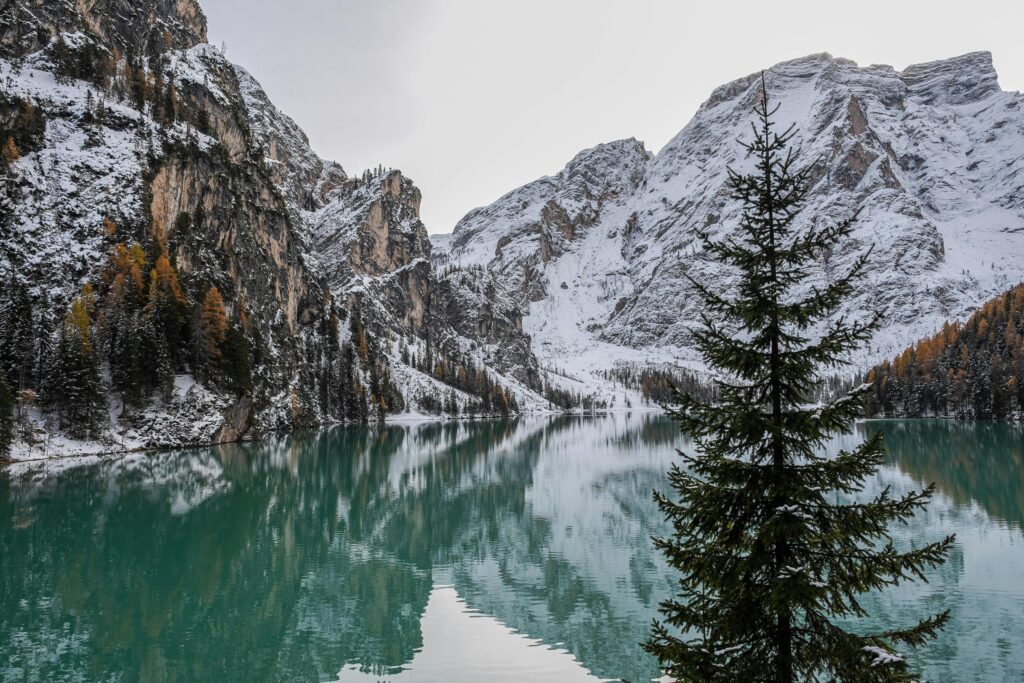
I still remember the first time a guest asked me if there was “anything to do” around Bull Lake in winter. I almost laughed—not because it was a silly question, but because I knew they had no idea what they were in for. After three decades of hosting families at our Montana cabin rentals, I’ve learned that winter here isn’t just a season; it’s an invitation to some of the most spectacular outdoor adventures you’ll find anywhere in the Northwest.
Bull Lake, nestled in the Cabinet Mountains of northwest Montana near Troy, transforms into a winter wonderland that rivals any resort destination. But here’s what makes it special: you get all the magic without the crowds, the inflated prices, or the pretension. Just pure Montana winter at its finest.
Why Bull Lake is Montana’s Best-Kept Winter Secret
Let me be straight with you. I’ve been in the vacation rental cabin business since the early 1990s, and I’ve seen destinations come and go. Some places get discovered, overrun, and lose their charm. Bull Lake? It’s remained authentic because the people who find their way here are looking for something different than what you get at the mega-resorts.
When you’re planning your Montana winter activities around Bull Lake, you’re choosing an experience that blends adventure with genuine tranquility. The lake itself sits at about 2,400 feet elevation, surrounded by the Cabinet Mountains that rise dramatically to over 8,000 feet. This geography creates a microclimate that delivers reliable snow without the bone-chilling cold you might experience further east in the state.
Turner Mountain: Where Real Skiers Go
Let’s talk about Turner Mountain ski resort first, because if you’re serious about Montana winter sports, this place deserves your attention. Located about 35 miles from our Bull Lake cabin, Turner Mountain represents everything that’s right about Montana skiing.
The Turner Mountain Experience
I’m going to share something that might surprise you: Turner Mountain gets an average of 250-300 inches of snow annually, yet you’ll rarely wait more than five minutes for a lift. The resort operates on a refreshingly simple model—quality over quantity. With about 2,100 feet of vertical drop and terrain that challenges experts while remaining accessible to intermediates, it’s become the go-to destination for families seeking authentic winter adventures in Montana.
Here’s what I love about directing our guests to Turner Mountain: the mountain has maintained its character. There’s no fancy base lodge with $18 hamburgers. Instead, you get genuine Montana hospitality, reasonable prices, and some of the best powder skiing in the Northwest. The locals there know the mountain intimately, and they’re genuinely happy to share beta about where to find the best stashes after a storm.
For beginners: Turner Mountain absolutely welcomes those new to skiing. The resort offers ski lessons through qualified instructors, and the beginner terrain is forgiving without being boring. I’ve watched countless first-timers gain confidence here in ways they never would at an intimidating mega-resort. The mountain’s manageable size means beginners aren’t overwhelmed, and the supportive atmosphere makes learning genuinely fun.
Getting There and Making the Most of It
The drive from our winter cabin rentals in Montana to Turner Mountain takes about 45-50 minutes, depending on road conditions. Highway 2 is well-maintained throughout winter, and the route itself is stunning—following the Kootenai River through mountain passes that’ll have you reaching for your camera.
Pro tip from someone who’s made this drive hundreds of times: leave early. Not because the mountain gets crowded (it doesn’t), but because the morning light hitting the snow-covered peaks along the drive is absolutely magical for winter photography in Montana. I’ve seen conditions where the frost on the trees creates scenes that look like they’re straight out of a Christmas card.
Snowshoeing: The Gateway to Winter Solitude
If there’s one activity that epitomizes Montana winter nature at its best, it’s snowshoeing. I’ve guided guests ranging from their 70s down to kids as young as five on snowshoe adventures, and the beauty is that it’s immediately accessible while offering endless opportunities for exploration.
Where to Rent and Where to Go
The question I get most often is: “Where can I rent snowshoes in Montana near Bull Lake?” Your best bets are Mountain Sports in Libby (about 30 minutes away) or checking locally in Troy. However, here’s my recommendation: if you’re staying at our lakefront Bull Lake rentals during peak winter season, invest in a decent pair. REI and local Montana outfitters offer excellent options, and owning your own means you can head out whenever inspiration strikes—which happens a lot around here.
Cabinet Mountains Winter Hiking Opportunities
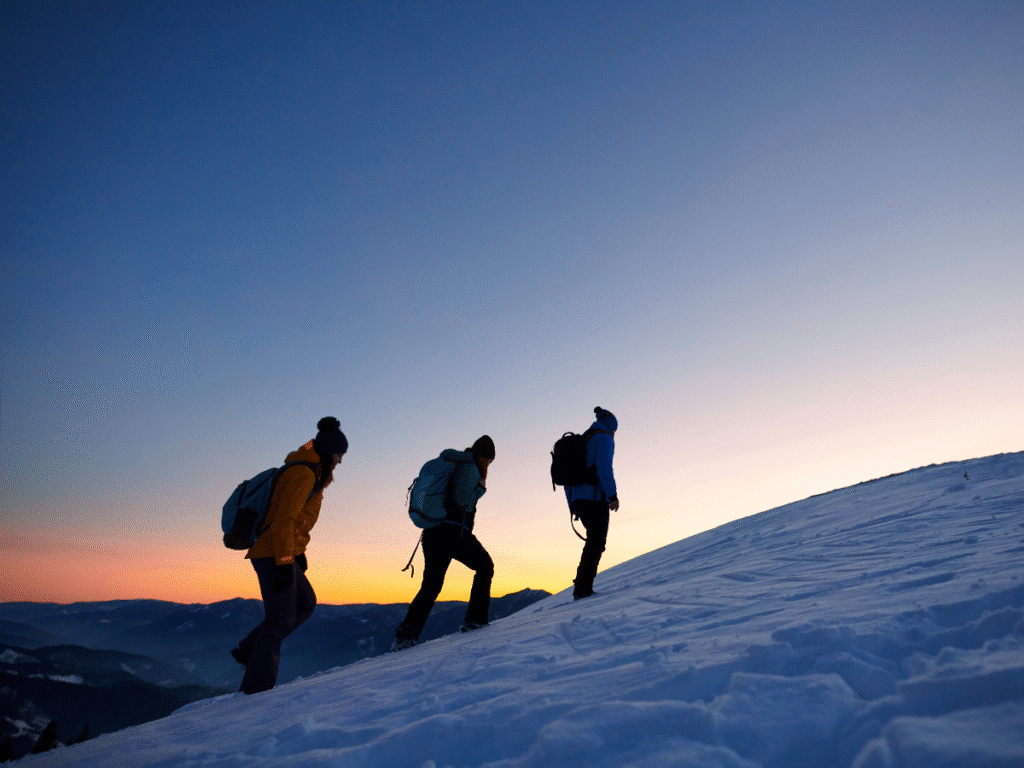
The Cabinet Mountains provide some of the most rewarding winter hiking and snowshoeing in Montana. Several trails near Bull Lake remain accessible through winter, though conditions vary significantly with snowpack. The Cabinet Mountains Wilderness offers over 94,000 acres of pristine winter terrain, and knowing where to go makes all the difference.
Beginner-Friendly Routes: The area around Bull Lake Dam provides excellent terrain for those new to snowshoeing. The relatively flat approaches let you build confidence and enjoy stunning lake views without technical challenges. You can literally start from our cabin and access trails that wind through snow-laden forests where the only sounds are your breathing and the occasional crack of branches shedding their snow loads.
Intermediate Adventures: For those ready to venture further, the trails heading into the lower Cabinet Mountains offer moderate elevation gains with spectacular payoffs. The key during winter is reading the terrain—understanding where avalanche danger might exist and sticking to safer routes. I always recommend checking with the Kootenai National Forest for current conditions and any winter warnings.
Can You Snowshoe from the Cabin?: Absolutely. This is one of the huge advantages of staying at our location. Unlike resorts where you need to drive to trailheads, you’re already there. Step out the door, strap on your snowshoes, and you’re immediately in prime territory. I’ve had guests who’ve done this every single morning of their stay, treating it like their meditation time.
Ice Fishing on Bull Lake: A Montana Tradition
Now we’re getting to something truly special. Ice fishing on Bull Lake combines the peaceful contemplation of traditional fishing with the unique challenges and rewards of winter angling. But first, let me address the obvious question: Is ice fishing allowed on Bull Lake? Yes, it absolutely is, and it’s one of the area’s most beloved winter activities.
Ice Conditions and Safety
Bull Lake typically develops safe ice thickness (at least 4 inches) by mid-December, with the best ice fishing conditions running from January through early March. However—and this is crucial—ice conditions vary significantly across the lake. Areas with current, near inlets, and over deeper water require extra caution.
I never let guests head out without emphasizing ice safety. Check ice thickness with a spud bar or auger as you go, never fish alone if possible, and carry safety picks and a rope. The Montana Fish, Wildlife & Parks website provides excellent resources on ice safety that should be required reading for anyone planning to venture onto frozen Montana lakes.
What You’ll Catch
Bull Lake supports populations of westslope cutthroat trout, rainbow trout, and bull trout (catch and release only for bull trout). The lake also holds kokanee salmon, which provide excellent winter action. Average catches range from 10-16 inches, though larger fish certainly swim these depths.
The beauty of ice fishing here is the setting. You’re on this pristine mountain lake, surrounded by snow-covered peaks, in near-total silence except for the occasional call of a raven overhead. It’s not about hauling in limits—it’s about the experience. That said, fresh Montana trout cooked in the cabin for dinner after a day on the ice? That’s about as good as winter gets.
Gear and Setup
You can bring your own equipment or check with local outfitters in Troy or Libby about rentals. Basic ice fishing gear includes an auger (hand or power), tip-ups or jigging rods, and appropriate terminal tackle. For Bull Lake specifically, small jigs tipped with maggots or PowerBait work well for trout, while kokanee respond to small spoons and jigs.
Cross-Country Skiing: Gliding Through Winter Beauty
Montana cross-country skiing offers something fundamentally different from alpine skiing. There’s a rhythm to it, a meditative quality that comes from the repetitive motion and the silence of moving through winter forests on skinny skis.
Groomed Trails vs. Backcountry
Are there groomed cross-country ski trails nearby? The nearest regularly groomed trails are at Round Lake State Park (about 40 minutes away) and certain Forest Service routes near Libby. These provide excellent opportunities for classic track skiing and skate skiing on maintained surfaces.
However, if you’re comfortable with backcountry skiing, the ungroomed terrain around Bull Lake offers incredible opportunities. Old logging roads, forest service paths, and the extensive national forest lands provide virtually unlimited options for those willing to break their own trail. Just be aware that backcountry skiing requires more skill, better fitness, and appropriate avalanche awareness in certain terrain.
Wildlife Viewing: Winter’s Hidden Reward
One of the most frequently asked questions I get is: What wildlife can I see in winter around Bull Lake? The answer might surprise you—winter is actually one of the best times for wildlife observation in northwest Montana.
Bald Eagles and Winter Birds
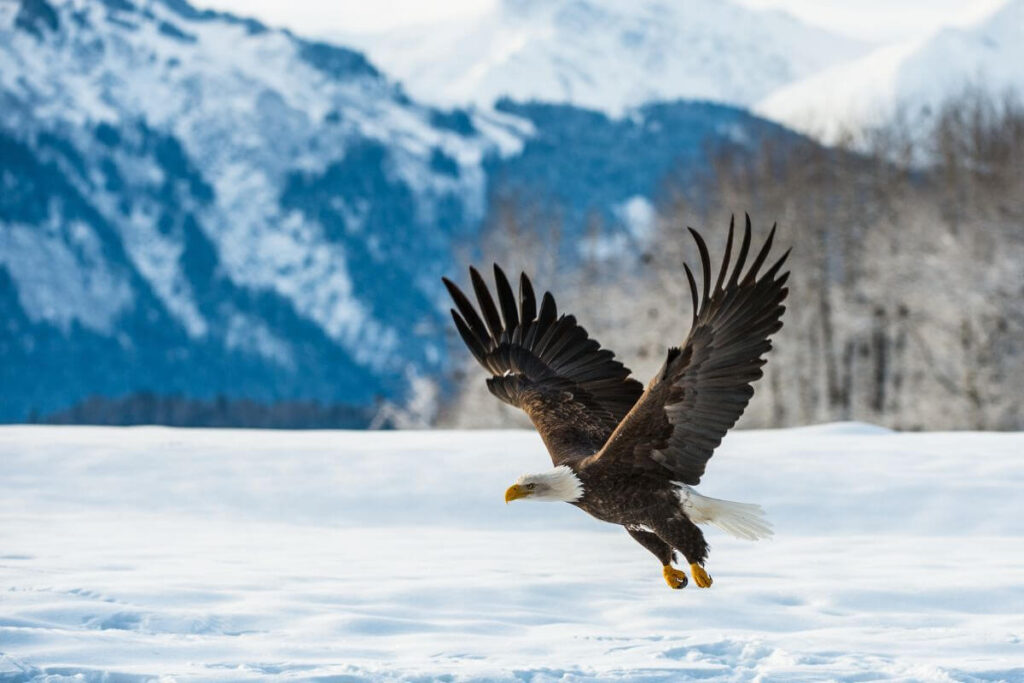
Can I see bald eagles in winter Montana? Not only can you, but winter is prime time for eagle viewing. Bald eagles concentrate along rivers and larger lakes where open water persists, feeding primarily on fish and waterfowl. The Kootenai River, which you’ll cross heading to Turner Mountain, often hosts multiple eagles, particularly near Kootenai Falls.
I’ve watched guests become completely absorbed in wildlife photography during winter, capturing images of eagles, deer, elk, and various smaller species against the snow. The contrast of dark wildlife against white snow creates stunning photographic opportunities that are nearly impossible to replicate in other seasons.
Large Mammals
White-tailed deer and mule deer both inhabit the area and become more visible in winter as they descend from higher elevations. Elk herds winter in the valleys, and while you’re less likely to see them near the cabin itself, drives through the surrounding areas often produce sightings. Mountain goats stick to the higher elevations but can sometimes be spotted on Cabinet Mountain faces through binoculars.
The key to successful winter wildlife viewing is patience and understanding animal behavior. Early morning and late afternoon provide the best opportunities. Move slowly, quietly, and respect wildlife by observing from appropriate distances—this is their survival season, and stress from human interaction can be genuinely harmful.
Beyond the Obvious: More Montana Winter Adventures
Snowmobiling Opportunities
Can I go snowmobiling near Bull Lake? The Cabinet Mountains and surrounding national forest lands offer extensive snowmobiling opportunities. Designated routes and areas provide hundreds of miles of winter riding through spectacular terrain. The nearest snowmobile rentals are available in Libby, and several local businesses offer guided tours for those unfamiliar with the area.
Snowmobiling here isn’t just about speed—it’s about access. Some of the most beautiful winter landscapes around Bull Lake can only be reached efficiently on a sled. Mountain vistas, frozen waterfalls, and pristine meadows become accessible when you’re willing to venture into the backcountry on a snowmobile.
Kootenai Falls in Winter
Is Kootenai Falls accessible in winter? Yes, and it’s absolutely worth the visit. Located about 35 miles from Bull Lake, Kootenai Falls is one of the largest waterfalls in Montana by volume. The winter transformation is stunning—while the falls never completely freeze, the surrounding landscape becomes an ice sculpture gallery, with massive icicles and frozen spray creating otherworldly formations.
The hiking trail to the falls viewpoint is typically maintained enough for winter access, though microspikes or light traction devices are recommended. The swinging bridge over the Kootenai River provides spectacular views, though it can be intimidating when coated in ice and snow. This makes for incredible Montana winter photography opportunities, particularly on clear days when the light hits the ice formations.
Winter Hiking Safety and Gear
Do I need special gear for winter hiking? Absolutely. Montana winter conditions demand respect and proper preparation. At minimum, you need:
-
- Insulated, waterproof boots with good traction
-
- Layered clothing following the three-layer system (base, insulation, shell)
-
- Traction devices (microspikes or crampons depending on conditions)
-
- Navigation tools (map, compass, GPS)
-
- Emergency supplies (first aid, fire starter, emergency blanket)
-
- Avalanche awareness and appropriate safety gear if entering avalanche terrain
I’ve seen too many people underestimate Montana winter conditions. Hypothermia can set in quickly if you’re unprepared, and what seems like a mild day can turn dangerous if weather moves in or you experience an unexpected setback.
Family Winter Fun at Bull Lake
Running a family-friendly Bull Lake cabin rental business has taught me that families need variety. Kids get bored. Weather changes plans. Having a solid list of family winter activities in Montana ensures everyone has a great time regardless of conditions.
Activities for All Ages
Can kids enjoy winter activities at Bull Lake? Without question. The beauty of this location is the range of activities that work for different age groups and ability levels. Younger children love building snowmen, sledding on gentle hills near the cabin, and short snowshoe walks. Older kids and teenagers often gravitate toward skiing at Turner Mountain, ice fishing, and snowmobiling.
Our Montana family cabin vacations typically involve mixing outdoor adventures with plenty of downtime at the cabin. The key is not over-scheduling. Montana winter should include moments of simply watching snow fall while playing board games by the fire.
Indoor Cabin Activities for Snowy Days
What indoor activities are available on snowy days? This is where staying at a well-equipped vacation rental shines over hotel accommodations. Our cabin includes games, books, a full kitchen for family cooking projects, and WiFi for streaming movies. Some families bring craft supplies, puzzles, or holiday decorations if they’re visiting during holidays in Montana.
I encourage families to embrace cabin time as part of the experience. Some of the best vacation memories come from those unplanned moments—teaching kids to play cards, cooking together, telling stories, or simply enjoying each other’s company without the constant digital distractions of everyday life.
Seasonal Timing and Conditions
Snow Depth and Best Times to Visit
What’s the snow depth typically in winter? This varies considerably by location and elevation, but the Bull Lake area generally sees 2-4 feet of settled snowpack at lake level from January through March, with significantly more at higher elevations. The Cabinet Mountains above can accumulate 6-10 feet or more in sheltered areas.
What’s the best time for winter photography in Montana? Personally, I love late January through February for the combination of reliable snow coverage, increasing daylight, and relatively stable weather. The quality of light during winter—particularly the warm tones of sunrise and sunset against snow—is unmatched. However, December offers holiday charm, while March brings longer days and often spectacular spring skiing conditions.
Weather Patterns and Preparation
Northwest Montana experiences a relatively moderate winter climate compared to eastern Montana, thanks to Pacific maritime influences. Temperatures typically range from highs in the 20s to 30s Fahrenheit with lows in the single digits to teens. Arctic air masses occasionally push temperatures lower, while chinook winds can occasionally create temporary warmups.
The key is checking forecasts before outdoor adventures and having flexible plans. Mountain weather changes quickly, and what starts as a beautiful bluebird day can turn into a whiteout if a storm moves in.
Guided Tours and Local Expertise
Are there guided winter tours available? Yes, several local outfitters offer guided services for various winter activities. These range from snowmobile tours and backcountry ski guiding to winter wildlife photography excursions and ice fishing trips. For those new to Montana winter conditions or wanting to access the best terrain safely, guided tours provide tremendous value.
I typically recommend guides for backcountry skiing in avalanche terrain, first-time snowmobile adventures in unfamiliar areas, and specialized wildlife viewing tours. The guides’ local knowledge opens up experiences that would be difficult or impossible to arrange independently.
Local Communities: Troy and Beyond
Are there winter festivals in Troy, Montana? Troy itself is a small community (population under 1,000), so you won’t find large-scale winter festivals. However, the area hosts various community events, including holiday celebrations, ice fishing derbies, and occasional winter gatherings. The charm here is the authenticity—these are genuine community events, not tourist productions.
Libby, about 30 minutes away, offers more services including grocery stores, restaurants, and outfitters. The combination of Bull Lake’s isolation with reasonable access to services creates an ideal balance for a winter vacation.
Things to Do in Winter Montana: Indoor Options
When weather or energy levels demand indoor activities, the region offers several options:
-
- Historic Museums: The Heritage Museum in Libby provides fascinating insights into the area’s logging and mining history
-
- Local Restaurants: Several establishments in Troy and Libby serve excellent Montana fare, from hearty breakfasts to steaks and local fish
-
- Hot Springs: While not immediately adjacent to Bull Lake, Quinn’s Hot Springs (about 90 minutes away) offers relaxing soaking in natural mineral water—perfect after a day of skiing or snowshoeing
Ice Skating and Additional Winter Sports
Are there ice skating opportunities nearby? While Bull Lake itself isn’t typically used for ice skating due to variable ice conditions and snow coverage, some smaller ponds and the occasional community rink in nearby towns provide opportunities. Many families simply skate on clearer sections of lake ice near shore when conditions permit, though this requires careful assessment of ice safety.
Safety: The Non-Negotiable Foundation
What’s the safest way to enjoy winter activities? After three decades of hosting guests, I can tell you that respect for winter conditions is paramount. Every year, preventable accidents occur because people underestimate Montana winter. Here are my non-negotiable safety rules:
-
- Always tell someone your plans – where you’re going, when you’ll return
-
- Check weather forecasts and avalanche reports – conditions change rapidly
-
- Carry appropriate gear – ten essentials plus extras for winter
-
- Know your limits – turn back if conditions deteriorate or you’re struggling
-
- Respect wildlife – keep distance, never feed, avoid stress during their survival season
-
- Understand ice safety – never assume ice is safe without checking
-
- Travel with others when possible – buddy system saves lives
The Montana Fish, Wildlife & Parks website provides excellent resources on outdoor safety, as does the National Weather Service for weather forecasting.
Planning Your Northwest Montana Winter Adventure
When guests ask me how to plan their trip, I always emphasize flexibility and variety. A well-designed Montana winter vacation around Bull Lake includes:
-
- Active adventure days – skiing, snowshoeing, ice fishing
-
- Moderate activity days – wildlife viewing, winter photography, shorter hikes
-
- Cabin relaxation time – enjoying the property, cooking, simply being together
-
- Contingency plans – indoor options if weather prevents outdoor activities
Booking accommodation at our location means you’re centered among activities while maintaining a peaceful home base. The cabin becomes your hub for daily adventures rather than just a place to sleep.
Why Montana Winter Activities Bull Lake Stands Apart
Here’s what I’ve learned after all these years: people don’t just return to Bull Lake for the activities—they return for the experience. Yes, the skiing at Turner Mountain is fantastic. The snowshoeing and winter hiking are spectacular. The ice fishing and wildlife viewing create memories that last.
But what keeps families coming back year after year is something harder to quantify. It’s the feeling of finding a place that hasn’t been discovered and commercialized into something generic. It’s the satisfaction of showing your kids genuine winter adventure without the resort crowds. It’s the peace of understanding that not everywhere needs to be “developed” to be perfect.
Montana winter near Bull Lake isn’t about impressing people with where you vacationed. It’s about disconnecting from the noise, reconnecting with family and nature, and remembering what winter was supposed to be before it became another consumer product.
Frequently Asked Questions
Q: What winter sports are available near Bull Lake?
A: Bull Lake area offers alpine skiing at Turner Mountain, cross-country skiing on groomed and backcountry trails, snowshoeing throughout the Cabinet Mountains, ice fishing on the lake itself, snowmobiling on forest service lands, and winter hiking on various trails.
Q: How far is Turner Mountain ski resort from the cabin?
A: Turner Mountain is approximately 35 miles from Bull Lake, which translates to about a 45-50 minute drive via well-maintained highways.
Q: Can beginners ski at Turner Mountain?
A: Absolutely. Turner Mountain welcomes beginners and offers ski lessons, appropriate beginner terrain, and a supportive, non-intimidating atmosphere perfect for those learning to ski.
Q: Where can I rent snowshoes in Montana near Bull Lake?
A: The closest rental options are Mountain Sports in Libby (30 minutes away) or local shops in Troy. However, purchasing your own pair provides maximum flexibility for spontaneous adventures.
Q: Is ice fishing allowed on Bull Lake?
A: Yes, ice fishing is allowed and popular on Bull Lake. Typical ice season runs from mid-December through early March, targeting trout and kokanee salmon species.
Q: What wildlife can I see in winter around Bull Lake?
A: Winter wildlife includes bald eagles, white-tailed and mule deer, elk herds in valleys, various bird species, and occasionally mountain goats on higher elevations. Early morning and late afternoon provide best viewing opportunities.
Q: Are there guided winter tours available?
A: Yes, several local outfitters offer guided services for snowmobiling, backcountry skiing, wildlife photography, and ice fishing. These provide valuable local expertise and enhanced safety.
Q: What’s the best time for winter photography in Montana?
A: Late January through February offers excellent photography conditions with reliable snow coverage, improving light as days lengthen, and stunning winter landscapes. Golden hour lighting against snow is spectacular.
Q: Can I snowshoe from the cabin?
A: Yes, one of the major advantages of our location is direct access to snowshoeing terrain right from the property. You can literally step out the door and begin exploring.
Q: Are there groomed cross-country ski trails nearby?
A: The nearest regularly groomed trails are at Round Lake State Park (40 minutes away) and certain routes near Libby, though extensive backcountry skiing opportunities exist on ungroomed forest service lands.
Q: Is Kootenai Falls accessible in winter?
A: Yes, Kootenai Falls remains accessible in winter and offers spectacular ice formations and winter scenery. The trail is typically maintained enough for winter hiking with appropriate footwear and traction devices.
Q: What indoor activities are available on snowy days?
A: Cabin amenities include games, books, full kitchen, and WiFi for streaming. Nearby towns offer restaurants, museums, and shops. Many families embrace cabin time as part of the vacation experience.
Q: Can kids enjoy winter activities at Bull Lake?
A: Absolutely. Activities range from gentle snowshoeing and sledding for young children to skiing, ice fishing, and snowmobiling for older kids and teenagers—something for every age and ability level.
Q: Do I need special gear for winter hiking?
A: Yes. Essential gear includes insulated waterproof boots, layered clothing, traction devices, navigation tools, and emergency supplies. Montana winter conditions demand proper preparation and respect.
Q: Are there ice skating opportunities nearby?
A: While Bull Lake itself isn’t typically used for skating due to variable conditions, some smaller ponds and occasional community rinks in nearby towns provide opportunities when available.
Q: What’s the snow depth typically in winter?
A: Bull Lake area generally sees 2-4 feet of settled snowpack at lake level from January through March, with significantly more accumulation at higher elevations in the Cabinet Mountains.
Q: Can I see bald eagles in winter Montana?
A: Yes, winter is actually prime time for bald eagle viewing as they concentrate along rivers and lakes with open water. The Kootenai River often hosts multiple eagles during winter months.
Q: Are there winter festivals in Troy, Montana?
A: Troy hosts various community events including holiday celebrations and ice fishing derbies, though as a small community, these are authentic local gatherings rather than large-scale tourist festivals.
Q: What’s the safest way to enjoy winter activities?
A: Always inform someone of your plans, check weather and avalanche forecasts, carry appropriate gear including ten essentials, know your limits, respect wildlife, understand ice safety, and travel with others when possible.
Q: Can I go snowmobiling near Bull Lake?
A: Yes, the Cabinet Mountains and surrounding national forest lands offer extensive snowmobiling on designated routes. Rentals and guided tours are available through outfitters in Libby.
After three decades in this business, I can tell you that Montana winter activities around Bull Lake represent something increasingly rare—authentic outdoor adventure in a setting that hasn’t been loved to death by tourism. Whether you’re carving turns at Turner Mountain, breaking trail on snowshoes through silent forests, or simply watching snow fall from the cabin window, you’re experiencing winter the way it ought to be.
The mountains will be here tomorrow. The snow will fall again next year. Your family memories of this winter adventure? Those last forever. That’s what keeps me doing this after all these years—knowing we’re providing the setting for moments that matter.