Ice Fishing Cabins in Montana: Your Ultimate Guide
After three decades of operating vacation rental cabins across Montana’s pristine wilderness, I’ve witnessed firsthand the transformation of ice fishing from a niche winter pastime to one of the state’s most sought-after outdoor adventures. The combination of Montana’s world-class fishing waters, breathtaking winter landscapes, and the unique experience of staying in specialized ice fishing cabins creates memories that last a lifetime.

Montana’s ice fishing season offers something truly magical – the chance to experience the state’s legendary fishing in a completely different way. When snow blankets the landscape and temperatures drop, our frozen lakes become gateways to some of the most productive fishing of the year. The silence of a Montana winter morning, broken only by the gentle hum of an auger or the excited shout of a successful angler, represents the very essence of what makes ice fishing cabins such a special accommodation choice.
Understanding Montana’s Ice Fishing Cabin Experience
Ice fishing cabins represent a specialized segment of Montana’s vacation rental market that I’ve been passionate about developing throughout my career. Unlike traditional summer cabins, these structures are specifically designed to withstand harsh winter conditions while providing comfort and convenience for anglers pursuing their passion on frozen waters.
The evolution of ice fishing cabins has been remarkable. In the early days of my career, most winter fishing accommodations were basic structures offering little more than shelter from the elements. Today’s Montana ice fishing lodges feature heated interiors, modern amenities, and strategic locations that maximize both comfort and fishing success.
What Sets Montana Apart for Ice Fishing
Montana’s geography creates ideal conditions for ice fishing that few other states can match. Our elevation, combined with consistent winter temperatures, produces thick, safe ice that typically lasts from December through March. The diversity of our water bodies – from shallow prairie lakes teeming with perch to deep mountain reservoirs holding trophy trout – means that ice fishing enthusiasts can target different species throughout the winter season.
The state’s commitment to habitat management and fish stocking programs ensures robust populations of desirable species. Montana Fish, Wildlife & Parks (FWP) has invested heavily in creating sustainable fisheries that can withstand both summer and winter fishing pressure, making our ice fishing opportunities among the most reliable in the nation.
Prime Ice Fishing Destinations with Cabin Accommodations
Bull Lake: A Hidden Gem in Northwestern Montana
Bull Lake in Troy, Montana represents everything I love about Montana’s ice fishing opportunities. This pristine water body, nestled in the Cabinet Mountains, offers consistent ice conditions and excellent fishing for multiple species. The lake’s remote location means less fishing pressure, while its varied depth structure provides habitat for both shallow-water species like perch and deeper-dwelling trout.
What makes Bull Lake particularly special is its accessibility to quality cabin accommodations. The lakefront Bull Lake rentals provide direct access to prime fishing areas while offering modern amenities that make extended winter stays comfortable and enjoyable. After spending countless hours on Bull Lake’s ice, I can attest to its productivity and the unique experience it offers to both novice and experienced ice anglers.
The lake’s fish population includes healthy numbers of rainbow trout, lake trout, and yellow perch. The diverse structure – from shallow bays to deep basins – means that anglers can adjust their tactics throughout the day to maintain consistent action. Fishing Bull Lake Montana provides year-round opportunities, but winter fishing often produces some of the most memorable catches.
Fort Peck Reservoir: Montana’s Ice Fishing Megadestination
Fort Peck Reservoir ice fishing deserves its reputation as one of Montana’s premier winter fishing destinations. This massive impoundment of the Missouri River creates a unique fishery that supports impressive populations of walleye, northern pike, sauger, and chinook salmon. The reservoir’s size means that ice conditions can vary significantly across different areas, requiring local knowledge to fish safely and effectively.
The development of heated ice fishing huts Montana around Fort Peck has transformed the winter fishing experience. These modern shelters protect anglers from harsh weather while providing comfortable bases for multi-day fishing adventures. The reservoir’s reputation for producing trophy-sized fish makes it a destination that serious ice anglers return to year after year.
Georgetown Lake: High-Altitude Ice Fishing Excellence
Georgetown Lake, located in southwestern Montana at an elevation of over 6,000 feet, offers a unique ice fishing experience. The lake’s high altitude means it typically freezes earlier and maintains ice longer than lower-elevation waters. This extended season, combined with the lake’s healthy population of rainbow and brook trout, makes it a favorite among ice fishing enthusiasts.
Georgetown Lake ice fishing presents unique challenges and rewards. The lake’s clear water requires subtle presentations, while its healthy fish populations mean that successful anglers can experience fast action. The surrounding mountain scenery creates a backdrop that enhances every fishing experience.
Canyon Ferry Lake: Convenience Meets Productivity
Canyon Ferry Lake winter fishing offers some of Montana’s most convenient ice fishing opportunities. Located just minutes from Helena, the lake provides easy access while maintaining excellent fishing quality. The lake’s diverse fish community includes walleye, rainbow trout, yellow perch, and mountain whitefish, ensuring that anglers can target different species based on conditions and preferences.
The development of winter cabin rentals near fishing lakes Montana around Canyon Ferry has made it possible for visiting anglers to enjoy extended stays without sacrificing comfort. These accommodations range from basic heated shelters to full-service lodges offering guided services and equipment rental.
Hebgen Lake: Trophy Trout Through the Ice
Hebgen Lake fishing cabins provide access to some of Montana’s most challenging and rewarding ice fishing. This high-elevation lake, located near West Yellowstone, maintains a reputation for producing trophy-sized mountain whitefish and rainbow trout. The lake’s unique characteristics – including its connection to the Madison River system – create conditions that support healthy fish populations throughout the winter months.
The technical nature of Hebgen Lake ice fishing makes it particularly appealing to experienced anglers. The lake’s clear water and educated fish require sophisticated presentations and high-quality equipment. Success often comes to those who invest time in understanding the lake’s structure and fish behavior patterns.
Lake Mary Ronan: Family-Friendly Ice Fishing
Lake Mary Ronan ice fishing represents the perfect introduction to Montana’s winter fishing opportunities. This relatively small lake offers consistent ice conditions, safe fishing environment, and willing fish populations that make it ideal for families and beginning ice anglers. The lake’s kokanee salmon, yellow perch, and largemouth bass provide diverse fishing opportunities throughout the ice season.
The family-friendly nature of Lake Mary Ronan extends to the available accommodations. Many of the ice shacks for rent Montana around this lake are specifically designed to accommodate families with children, featuring safe heating systems, adequate space, and easy access to shore facilities.
Types of Ice Fishing Accommodations
Permanent Ice Fishing Cabins
Permanent ice fishing cabins represent the pinnacle of winter fishing accommodations. These structures, built on solid foundations near prime fishing waters, offer all the amenities of traditional cabins while providing convenient access to frozen lakes. Features typically include full heating systems, cooking facilities, comfortable sleeping accommodations, and specialized storage for fishing equipment.
The investment in permanent cabins reflects the growing popularity of Montana winter fishing trips. Property owners have recognized that serious ice fishing enthusiasts value comfort and convenience highly enough to pay premium rates for quality accommodations. These cabins often book months in advance, particularly for peak fishing periods.
Portable Ice Shacks and Huts
Heated ice fishing huts Montana provide a more traditional ice fishing experience while still offering protection from harsh winter weather. These structures, typically placed directly on the ice, allow anglers to fish in comfort while maintaining close proximity to their holes. Modern portable huts feature efficient heating systems, comfortable seating, and adequate space for multiple anglers.
The flexibility of portable accommodations appeals to many ice fishing enthusiasts. Successful anglers can move their shelters to follow fish movements or take advantage of changing conditions. This mobility, combined with the intimate fishing experience they provide, makes portable huts popular among serious ice fishing devotees.
Full-Service Ice Fishing Lodges
Montana ice fishing lodges represent the ultimate in winter fishing luxury. These operations combine quality accommodations with comprehensive services including guide services, equipment rental, meal service, and transportation to prime fishing locations. Full-service lodges cater to anglers who want to focus entirely on fishing without worrying about logistics or equipment.
The lodge experience appeals particularly to visiting anglers who lack local knowledge or specialized ice fishing equipment. Professional guides provide invaluable assistance in locating fish, selecting appropriate tactics, and ensuring safe ice conditions. The combination of expert guidance and comfortable accommodations creates fishing experiences that often exceed expectations.
Essential Equipment and Gear Considerations
Ice Fishing Gear Rental Options
Ice fishing gear rental Montana has become increasingly sophisticated as the sport has grown in popularity. Modern rental operations provide everything from basic rod and reel combinations to specialized electronics and portable shelters. Quality rental gear allows visiting anglers to experience Montana ice fishing without the significant investment required to purchase specialized equipment.
The availability of rental gear has democratized ice fishing by removing the equipment barrier that once limited participation. Rental operations typically maintain high-quality gear that is regularly serviced and updated. Many also provide instruction on proper equipment use, enhancing both safety and fishing success.
Specialized Ice Fishing Equipment
Successful ice fishing requires specialized equipment designed to function in harsh winter conditions. Ice augers, whether manual or powered, are essential for creating fishing holes. Modern augers feature sharp blades and efficient cutting action that makes hole creation quick and easy, even in thick ice.
Electronics play an increasingly important role in ice fishing success. Fish finders designed for ice fishing provide real-time information about bottom structure, fish location, and lure presentation. GPS units help anglers return to productive locations and navigate safely across large ice surfaces.
Rod and reel combinations for ice fishing differ significantly from open-water equipment. Shorter rods provide better control in confined spaces, while reels must function reliably in freezing temperatures. Line choice becomes critical, as cold temperatures affect line characteristics and performance.
Safety Considerations and Best Practices
Ice Safety Fundamentals
Ice safety represents the most critical aspect of any ice fishing adventure. Throughout my decades in the business, I’ve observed that successful ice fishing operations prioritize safety education and provide clear guidelines for safe ice travel. Understanding ice formation, recognizing dangerous conditions, and carrying appropriate safety equipment can mean the difference between a memorable adventure and a dangerous situation.
Safe ice thickness varies depending on intended use and ice quality. Four inches of solid, clear ice will typically support an individual angler, while vehicles require significantly thicker ice. However, ice conditions can vary dramatically across a single water body, making local knowledge and current condition reports essential.
Essential Safety Equipment
Every ice fishing expedition should include essential safety equipment. Ice picks or spikes provide a means of self-rescue if an angler breaks through thin ice. A rope of adequate length allows for assisted rescue from a safe distance. Flotation devices designed for ice fishing provide additional security, particularly when fishing alone.
Communication devices ensure that help can be summoned if needed. Cell phone coverage varies across Montana’s remote areas, making satellite communicators valuable for serious backcountry ice fishing. Weather radios provide current condition updates that can prevent dangerous situations.
Weather Awareness
Montana’s winter weather can change rapidly, creating dangerous conditions for unprepared ice anglers. Successful ice fishing requires constant weather awareness and the flexibility to adjust plans based on changing conditions. Severe cold, high winds, and sudden storms can transform safe fishing conditions into life-threatening situations.
Modern weather forecasting provides valuable information, but local conditions can differ significantly from regional forecasts. Experienced ice fishing guides and local knowledge sources provide the most accurate and current condition information for specific water bodies.
Species-Specific Ice Fishing Strategies
Trout Through the Ice
Ice fishing species in Montana include several trout varieties that provide excellent winter fishing opportunities. Rainbow trout, brown trout, and lake trout each require different approaches and techniques for consistent success. Understanding species-specific behavior patterns and preferences increases fishing effectiveness significantly.
Rainbow trout remain active throughout the ice season, often feeding near the surface during midday periods. Their willingness to chase lures makes them excellent targets for active fishing techniques. Small spoons and jigs fished with subtle movements often produce the best results.
Lake trout, Montana’s largest salmonid, provide the opportunity for trophy catches through the ice. These deep-water predators require different tactics than their smaller cousins. Heavy jigs and large baits fished near bottom structure often produce the biggest fish.
Perch and Panfish
Yellow perch represent one of Montana’s most popular ice fishing targets. Their schooling behavior means that successful anglers often experience fast action once fish are located. Small baits and subtle presentations work best for these finicky feeders.
The key to consistent perch success lies in understanding their daily movement patterns. These fish often move between deep and shallow water based on weather conditions and food availability. Successful anglers adjust their locations throughout the day to stay with active schools.
Pike and Predatory Species
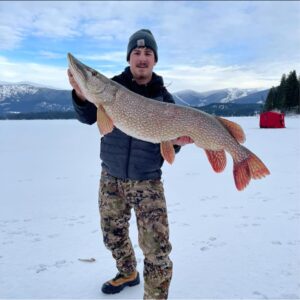
Northern pike provide exciting ice fishing opportunities for anglers seeking larger, more aggressive fish. These predators remain active throughout the winter, often ambushing prey fish near structure or vegetation. Larger baits and more aggressive presentations typically produce the best pike fishing results.
Pike fishing through the ice requires heavier tackle than most other ice fishing applications. Strong hooks, heavy line, and wire leaders prevent break-offs when fighting these powerful fish. Tip-ups allow anglers to cover more water and increase their chances of encountering active pike.
Guided Ice Fishing Services
Professional Guide Advantages
Guided ice fishing Montana services provide invaluable assistance for both novice and experienced anglers. Professional guides possess intimate knowledge of local waters, current conditions, and productive techniques. Their experience eliminates much of the guesswork involved in successful ice fishing.
Guides provide more than just fishing instruction. They ensure safe ice travel, supply appropriate equipment, and handle logistics that can overwhelm visiting anglers. The educational value of a guided trip often transforms occasional ice anglers into passionate devotees of the sport.
Selecting Quality Guide Services
Quality guide services maintain excellent safety records, provide well-maintained equipment, and employ knowledgeable guides who prioritize client safety and satisfaction. Successful guide operations often book well in advance, particularly during peak fishing periods.
When selecting guide services, consider the operation’s reputation, safety record, and specialization. Some guides focus on specific species or techniques, while others provide general ice fishing experiences. Matching guide expertise with personal fishing goals enhances the overall experience.
Regulations and Licensing Requirements
Montana Fishing License Requirements
Montana fishing licenses are required for all ice fishing activities, with no exceptions for winter fishing. License requirements apply to both residents and non-residents, though fee structures differ significantly. Understanding licensing requirements prevents legal complications and supports conservation efforts.
Montana FWP ice fishing regulations may include specific restrictions for certain water bodies during winter months. These regulations protect fish populations during vulnerable periods and ensure sustainable fishing opportunities for future generations.
Special Regulations and Restrictions
Some Montana waters have special regulations that apply specifically to ice fishing activities. These may include restrictions on bait types, limits on number of lines, or specific seasons for certain species. Understanding and following these regulations is essential for legal and ethical fishing.
Daily limits and possession limits may differ from open-water regulations on some waters. Successful anglers familiarize themselves with specific regulations for their target waters before beginning their fishing activities.
Planning Your Ice Fishing Cabin Adventure
Booking Considerations
How far in advance should I book a cabin to ensure availability? This question reflects the growing popularity of Montana ice fishing experiences. Peak periods, typically January and February, often book completely by early fall. Planning ahead ensures access to preferred accommodations and dates.
Booking strategies should consider ice formation patterns and historical weather data. Early season bookings carry some risk of inadequate ice conditions, while late season reservations may face unpredictable spring conditions. Mid-season reservations typically provide the most reliable ice conditions.
Cost Considerations
What is the typical cost for ice fishing cabin rentals varies significantly based on amenities, location, and included services. Basic heated shelters may rent for modest daily rates, while full-service lodge experiences command premium prices. Understanding what’s included in rental rates helps in making informed decisions.
Additional costs may include guide services, equipment rental, fishing licenses, and transportation. Budgeting for these expenses prevents surprises and ensures a more enjoyable experience. Many operations offer package deals that provide better value than individual services.
Seasonal Timing
Best time for ice fishing in Montana varies by location and target species. Generally, January and February provide the most consistent ice conditions and active fish. However, early and late season periods often produce excellent fishing with fewer crowds.
Understanding species-specific activity patterns helps in timing fishing trips for maximum success. Some species remain active throughout the ice season, while others may be more active during specific periods.
Accommodation Amenities and Services
Modern Cabin Features
Today’s ice fishing cabins bear little resemblance to the spartan shelters of decades past. Modern accommodations feature full heating systems, comfortable sleeping arrangements, complete kitchens, and specialized storage for fishing equipment. These amenities transform ice fishing from an endurance test into a comfortable adventure.
Are ice fishing cabins in Montana heated and what other amenities are included? Most modern cabins feature efficient heating systems designed to maintain comfortable temperatures even during severe cold snaps. Additional amenities often include hot water, full bathrooms, entertainment systems, and wireless internet access.
Equipment and Service Packages
Many cabin operations offer comprehensive packages that include equipment rental, guide services, and even meal preparation. These packages appeal to visiting anglers who prefer a turn-key experience without the hassle of organizing multiple services independently.
Do I need to bring my own fishing gear, or is it provided with the cabin rental? Policies vary significantly among different operations. Some rentals include basic fishing equipment, while others focus solely on accommodations. Understanding what’s included prevents arriving unprepared for fishing activities.
Family-Friendly Ice Fishing
Introducing Children to Ice Fishing
Ice fishing provides excellent opportunities for introducing children to angling. The controlled environment of heated cabins combined with typically active fish creates positive experiences that often develop into lifelong passions. Successful family ice fishing requires appropriate expectations and child-friendly equipment.
Are ice fishing cabins suitable for beginners or are they just for experienced anglers? Quality ice fishing accommodations cater to all skill levels. Many operations specifically market to families and beginners, providing instruction and equipment appropriate for novice anglers.
Pet-Friendly Options
Can I bring my dog with me to an ice fishing cabin? Pet policies vary among different accommodation providers. Some welcome well-behaved pets, while others maintain strict no-pet policies. Understanding pet policies before booking prevents disappointment and ensures comfortable arrangements for all family members.
Advanced Ice Fishing Techniques
Electronics and Technology
Modern ice fishing increasingly relies on sophisticated electronics to locate fish and understand underwater structure. Fish finders designed specifically for ice fishing provide real-time information that dramatically improves fishing success. GPS units help anglers mark productive locations and navigate safely across large ice surfaces.
Understanding how to interpret electronic information separates successful ice anglers from those who struggle. Quality guide services often include electronics instruction as part of their comprehensive fishing education.
Presentation Techniques
Successful ice fishing requires mastering subtle presentation techniques that differ significantly from open-water fishing. The confined space of ice fishing shelters demands different rod handling techniques, while the vertical presentation affects lure action and fish response.
Are there any specific bait or lure recommendations for fishing in Montana’s frozen lakes? Bait and lure selection varies significantly based on target species, water conditions, and fishing pressure. Local knowledge and current fishing reports provide the most valuable guidance for productive bait selection.
Emergency Preparedness and Response
Emergency Planning
Every ice fishing expedition should include comprehensive emergency planning. This includes informing others of fishing plans, carrying appropriate emergency equipment, and understanding rescue procedures. Quality accommodation providers often include emergency planning assistance as part of their services.
What should I do if I fall through the ice? Emergency response procedures can save lives in critical situations. Understanding self-rescue techniques and signaling for help provides essential skills for any ice angler. Professional instruction in ice rescue techniques is available through many outdoor education programs.
Communication and Rescue
Modern communication devices provide valuable safety resources for ice fishing adventures. Satellite communicators work in areas without cell phone coverage, while emergency beacons can summon rescue services when needed. Quality safety equipment represents a worthwhile investment for serious ice fishing enthusiasts.
Frequently Asked Questions
What is the best time of year for ice fishing in Montana?
The optimal ice fishing season in Montana typically runs from December through March, with January and February generally providing the most consistent ice conditions. However, timing varies by elevation and location. Higher elevation lakes often freeze earlier and maintain ice longer, while lower elevation waters may have shorter seasons. Bull Lake and other northwestern Montana waters typically offer excellent ice conditions from mid-December through early March, providing ample opportunities for successful winter fishing adventures.
Do I need a special fishing license for ice fishing in Montana?
No special license is required for ice fishing in Montana beyond the standard Montana fishing license. All anglers over 14 years old must possess a valid Montana fishing license, with both resident and non-resident options available. Non-residents can purchase daily licenses for short trips or seasonal licenses for extended stays. Additional stamps may be required for certain species or waters, and conservation licenses support habitat improvement efforts throughout the state.
What are the most popular lakes for ice fishing with cabin rentals in Montana?
Fort Peck Reservoir, Georgetown Lake, Canyon Ferry Lake, and Hebgen Lake rank among the most popular destinations for ice fishing cabin rentals. Bull Lake in Troy, Montana offers exceptional opportunities with excellent cabin accommodations and diverse fish populations. Each location provides unique characteristics – Fort Peck for trophy walleye, Georgetown Lake for mountain scenery and trout, Canyon Ferry for convenient access from Helena, and Hebgen Lake for technical fishing challenges near Yellowstone.
Are ice fishing cabins in Montana heated and what other amenities are included?
Modern ice fishing cabins in Montana typically feature reliable heating systems designed to maintain comfortable temperatures throughout the winter season. Standard amenities often include full kitchens, private bathrooms, comfortable sleeping accommodations, and equipment storage areas. Many cabins also offer wireless internet, entertainment systems, and specialized features like fish cleaning stations. Luxury accommodations may include hot tubs, fireplaces, and concierge services for a complete winter retreat experience.
What kind of fish can I expect to catch while ice fishing in Montana?
Montana’s ice fishing opportunities target diverse species including rainbow trout, lake trout, brown trout, walleye, northern pike, yellow perch, mountain whitefish, and kokanee salmon. Species availability varies by location – Fort Peck Reservoir is renowned for walleye and northern pike, while mountain lakes often produce excellent trout fishing. Understanding species-specific behavior patterns and preferred habitats increases success rates significantly throughout the ice fishing season.
Are ice fishing cabins suitable for beginners or are they just for experienced anglers?
Ice fishing cabins welcome anglers of all skill levels, with many operations specifically catering to beginners and families. Heated, comfortable accommodations create ideal learning environments where novice anglers can develop skills without enduring harsh winter conditions. Many cabin providers offer equipment rental, basic instruction, and guide services that help beginners experience immediate success. The controlled environment eliminates many variables that can frustrate new ice fishing enthusiasts.
Do I need to bring my own fishing gear, or is it provided with the cabin rental?
Equipment policies vary among different cabin providers. Some operations include basic ice fishing equipment as part of their rental packages, while others focus solely on accommodations. Many locations offer comprehensive equipment rental services featuring high-quality rods, reels, electronics, and safety equipment. Contact your accommodation provider in advance to understand their equipment policies and rental options to ensure you arrive properly prepared for your fishing adventure.
How do I check the safety and thickness of the ice on a lake?
Ice safety assessment requires multiple evaluation methods. Visual inspection should identify clear, solid ice while avoiding areas with snow cover, currents, or discoloration. Physical testing using spears or augers at regular intervals provides thickness measurements. Four inches of solid ice generally supports individuals, while vehicles require significantly thicker ice. Local guide services, bait shops, and Montana Fish, Wildlife & Parks offices provide current ice condition reports for popular fishing destinations.
What are the regulations for using an ATV or snowmobile on the ice in Montana?
ATV and snowmobile regulations on ice vary by water body and jurisdiction. Some areas prohibit motorized vehicles entirely, while others allow access with specific restrictions. Vehicle operators must ensure adequate ice thickness – typically 8-10 inches minimum for ATVs and snowmobiles. Registration and insurance requirements apply to motorized vehicles, and operators should verify local regulations before accessing any water body. Environmental protection measures may restrict vehicle access in certain areas.
Is it possible to hire a local guide for an ice fishing trip?
Professional guide services operate throughout Montana’s prime ice fishing destinations, offering expertise that dramatically improves fishing success. Guides provide local knowledge, current condition information, equipment, and instruction that benefit both novice and experienced anglers. Services range from half-day instruction sessions to multi-day adventures with full accommodations. Booking guide services well in advance ensures availability during peak fishing periods, particularly in January and February.
What clothing and safety gear should I bring for a winter fishing trip in Montana?
Proper winter clothing follows layering principles with moisture-wicking base layers, insulating middle layers, and windproof outer shells. Insulated boots with good traction, warm gloves, and quality headwear are essential. Safety equipment should include ice picks, rope, flotation device, first aid kit, emergency shelter, and communication devices. Hand and foot warmers provide additional comfort during extended fishing sessions. Quality cold-weather gear represents a worthwhile investment for serious ice fishing enthusiasts.
How do I book an ice fishing cabin rental and what is the typical cost?
Booking procedures vary among different providers, with most accepting online reservations, phone bookings, or email inquiries. Peak season reservations should be made months in advance to ensure availability. Costs range from modest daily rates for basic heated shelters to premium prices for luxury lodge experiences. Factors affecting pricing include location, amenities, included services, and seasonal demand. Package deals combining accommodations, guides, and equipment often provide better value than individual services.
Are there different types of ice fishing shelters available besides permanent cabins?
Montana offers diverse ice fishing shelter options including permanent heated cabins, portable huts, pop-up shelters, and full-service lodge facilities. Portable shelters range from basic wind protection to heated units with multiple fishing holes. Some locations offer traditional fish houses that can be moved to productive areas as conditions change. Shelter selection depends on group size, comfort preferences, mobility requirements, and budget considerations.
What is the cancellation policy for ice fishing cabin rentals in case of unsafe ice conditions?
Cancellation policies vary among providers, but most recognize that unsafe ice conditions create legitimate cancellation reasons. Reputable operators often offer flexible policies during periods of uncertain ice conditions, including rescheduling options or partial refunds. Travel insurance may provide additional protection for non-refundable bookings. Understanding cancellation terms before booking prevents disputes and ensures fair treatment if dangerous conditions develop.
Are there any specific bait or lure recommendations for fishing in Montana’s frozen lakes?
Effective baits and lures vary by target species and specific waters. Small jigs tipped with maggots or wax worms work well for perch and panfish, while larger spoons and jigs target trout and walleye. Live minnows remain effective for pike and lake trout. Local bait shops provide current recommendations based on recent fishing success. Successful ice anglers often carry diverse selections to match changing conditions and fish preferences throughout the day.
How far in advance should I book a cabin to ensure availability?
Peak ice fishing season bookings should be made 3-6 months in advance, particularly for premium accommodations during January and February. Holiday periods and weekends book earliest, while midweek availability often extends closer to desired dates. Early booking ensures access to preferred accommodations and dates while often providing better pricing. Popular destinations like Bull Lake may book completely for peak periods, making advance planning essential for successful trip coordination.
What are the rules for keeping or releasing fish, and is there a daily limit?
Montana fishing regulations establish species-specific daily limits, possession limits, and size restrictions that apply to ice fishing activities. Limits vary by species and location, with some waters having special regulations. Current regulation booklets provide complete information, and Montana Fish, Wildlife & Parks websites offer updated information. Successful anglers familiarize themselves with applicable regulations before fishing and practice selective harvest to support sustainable fish populations.
Can I bring my dog with me to an ice fishing cabin?
Pet policies vary significantly among accommodation providers. Some cabins welcome well-behaved pets with additional fees or deposits, while others maintain strict no-pet policies. Pet-friendly accommodations may have specific requirements regarding vaccinations, behavior, and cleanup responsibilities. Cold weather creates additional considerations for pet safety and comfort. Confirming pet policies during booking prevents disappointment and ensures appropriate arrangements for all family members.
What should I do if I fall through the ice?
Ice breakthrough emergency response requires immediate calm action. DO NOT PANIC – panicking increases energy expenditure and reduces survival time. Turn toward the direction you came from (stronger ice), place your arms on the ice surface, and use ice picks or improvised tools to pull yourself out. Kick your legs to horizontal position and roll away from the hole. Seek immediate shelter and warming to prevent hypothermia. Prevention through proper ice assessment and safety equipment remains the best strategy.
Are there specific Montana Fish, Wildlife & Parks (FWP) regulations I should be aware of?
Montana FWP maintains comprehensive regulations covering licensing, seasons, limits, and special restrictions. Ice fishing regulations generally mirror open-water rules, but some waters have winter-specific restrictions. AIS (Aquatic Invasive Species) prevention requirements apply year-round, requiring equipment cleaning between water bodies. Special regulations may affect specific waters, and emergency closures can occur due to unsafe conditions. Current regulation information is available through FWP offices, websites, and licensed vendors throughout the state.
Conclusion: Embracing Montana’s Premier Ice Fishing Experience
Throughout my decades in Montana’s vacation rental industry, I’ve watched ice fishing evolve from a hardy pursuit for dedicated enthusiasts into a mainstream winter activity that attracts families, novice anglers, and serious sportsmen alike. The development of quality ice fishing cabin accommodations has played a crucial role in this transformation, making Montana’s legendary winter fishing accessible to a broader audience while maintaining the authentic experiences that make ice fishing so compelling.
The combination of Montana’s pristine waters, diverse fish populations, and modern accommodation options creates opportunities that simply don’t exist elsewhere. From the remote beauty of Bull Lake to the trophy fishing potential of Fort Peck Reservoir, our state offers ice fishing experiences that cater to every interest and skill level. The investment in quality cabin accommodations ensures that these experiences remain comfortable and memorable, regardless of weather conditions or individual preferences.
The future of Montana ice fishing looks exceptionally bright. Continued investment in habitat improvement, facility development, and service expansion promises even better opportunities for winter fishing enthusiasts. As climate patterns evolve, the value of Montana’s reliable winter conditions becomes even more apparent, positioning our state as a premier destination for serious ice fishing adventures.
For those considering their first Montana ice fishing adventure, the combination of quality accommodations, professional guide services, and diverse fishing opportunities creates ideal conditions for developing a lifelong passion. The relaxing cabin vacation Montana experience extends far beyond fishing success, encompassing the peace, beauty, and authentic wilderness experiences that define Montana’s appeal.
Whether you’re planning a family introduction to ice fishing, a serious angling adventure targeting trophy fish, or a peaceful winter retreat combining fishing with relaxation, Montana’s ice fishing cabins provide the perfect base for unforgettable experiences. The expertise, infrastructure, and natural resources we’ve developed over decades ensure that your Montana ice fishing adventure will exceed expectations and create memories that last a lifetime.
The magic of Montana ice fishing lies not just in the fish caught or the comfortable accommodations enjoyed, but in the complete experience of connecting with nature during its most challenging and beautiful season. As you plan your Montana ice fishing adventure, remember that the investment in quality accommodations and professional services enhances every aspect of your experience, from safety and comfort to fishing success and lasting memories.