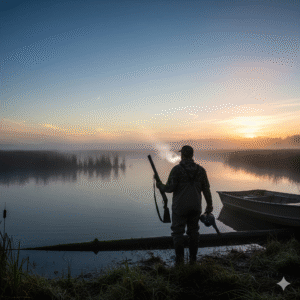
The rugged wilderness of Northwest Montana beckons hunters from across the nation, and the Kootenai region stands as one of the most coveted destinations for those seeking an authentic hunting experience. As someone who has spent over two decades guiding hunters through Montana’s pristine landscapes and helping them find the perfect accommodations, I can confidently say that Montana hunting cabin rentals Kootenai offer an unparalleled combination of comfort, accessibility, and proximity to some of the finest hunting grounds in North America.
The Kootenai region, encompassing parts of Lincoln County and extending into the magnificent Kootenai National Forest, represents the epitome of what serious hunters dream about. Here, ancient cedar and pine forests give way to alpine meadows, creating diverse ecosystems that support thriving populations of white-tailed deer, mule deer, elk, black bear, and mountain lions. The region’s unique geography, where the Rocky Mountain foothills meet the northern wilderness, creates natural corridors and feeding areas that wildlife has used for centuries.
Why Choose Kootenai National Forest Cabin Rentals for Your 2025 Hunt
When planning your Montana hunting expedition, the choice of accommodation can make or break your experience. Kootenai National Forest cabin rentals provide the perfect balance between wilderness immersion and essential comforts that modern hunters require. Unlike crowded hunting camps or distant hotels, these cabins place you directly in the heart of hunting country, allowing you to maximize your time in the field while enjoying proper rest and meal preparation facilities.
The Kootenai National Forest spans over 2.2 million acres, making it one of the largest and most diverse hunting areas in the Northwest. This vast wilderness area provides hunters with virtually unlimited opportunities to pursue their quarry in settings that remain largely unchanged from when Native American tribes first hunted these lands. The forest’s management practices ensure sustainable wildlife populations while maintaining the pristine character that makes hunting here so special.
Shangrilog, located at Bull Lake in Montana, exemplifies what discerning hunters seek in their base camp. This rental cabin serves as your gateway to the Kootenai region’s hunting opportunities while providing the amenities necessary for a successful hunting trip. The strategic location offers easy access to both public hunting areas within the Kootenai National Forest and connections to private land hunting opportunities that can enhance your overall experience.
Understanding the 2025 Kootenai Hunting Landscape
The 2025 hunting season in the Kootenai region promises exceptional opportunities for hunters of all skill levels. Montana Fish, Wildlife & Parks has implemented thoughtful management strategies that have resulted in healthy wildlife populations across the region. White-tailed deer numbers have remained strong, particularly in the river valleys and agricultural edges that characterize much of the Kootenai area. Mule deer populations, while requiring more selective hunting pressure, offer opportunities for trophy-class animals in the higher elevation areas.
Elk hunting in the Kootenai region deserves special mention. The area’s elk herds have adapted well to the mixed terrain, utilizing both forested areas and open parks depending on seasonal conditions and hunting pressure. Many hunters find success by establishing themselves in cabins that provide easy access to multiple hunting areas, allowing them to adapt their strategy based on daily conditions and wildlife movement patterns.
Black bear hunting has gained popularity in recent years, with the Kootenai region providing excellent opportunities for both spring and fall seasons. The diverse berry crops and abundant water sources create ideal habitat conditions that support healthy bear populations. Hunters staying in well-located cabins can take advantage of multiple hunting methods, from spot-and-stalk techniques to strategic positioning near known feeding areas.
The Libby MT Hunting Lodges Connection
While many hunters focus exclusively on remote wilderness areas, the proximity to Libby MT hunting lodges and services creates significant advantages for your hunting expedition. Libby, Montana, serves as the unofficial gateway to the Kootenai region, providing essential services including fuel, groceries, sporting goods, and emergency medical facilities. The town’s hunting culture runs deep, with local businesses understanding and catering to the specific needs of visiting hunters.
The relationship between quality cabin rentals and Libby’s hunting infrastructure creates a synergistic effect that enhances your overall hunting experience. You can resupply without traveling excessive distances, access professional meat processing services, and tap into local knowledge about current hunting conditions. Many successful hunting trips benefit from this balance between wilderness immersion and civilized convenience.
Local outfitters based in the Libby area have developed working relationships with quality cabin rental properties, creating packages that combine comfortable accommodations with professional guiding services. This collaboration ensures that hunters receive comprehensive support for their Montana adventure while maintaining the independence that comes with staying in private cabin accommodations.
Montana Deer Hunting Cabins for Rent: What Sets the Best Apart
Not all Montana deer hunting cabins for rent offer the same level of quality or strategic advantages. After years of evaluating hunting accommodations across the state, certain characteristics consistently separate exceptional properties from merely adequate ones. The best hunting cabins provide not just shelter, but genuine advantages that enhance your hunting success and overall experience.
Location remains the most critical factor when selecting your hunting cabin. Properties situated within reasonable distance of proven hunting areas, yet far enough from heavy human activity to maintain wildlife comfort levels, offer the greatest potential for success. The elevation, aspect, and immediate terrain around your cabin can influence everything from morning departure times to evening game processing activities.
Shangrilog’s position at Bull Lake exemplifies these location principles. The cabin provides access to diverse hunting opportunities while maintaining the peaceful environment that allows for proper rest between hunting days. The surrounding terrain offers scouting opportunities right from your accommodation, allowing you to observe wildlife patterns and make informed decisions about where to focus your hunting efforts.
Infrastructure considerations extend beyond basic shelter to include elements that serious hunters require for extended stays. Proper meat processing and storage facilities, adequate water supplies, reliable heating systems, and sufficient space for gear organization and maintenance make the difference between a comfortable hunting trip and a challenging survival exercise.
Northwest Montana Hunting Cabins: The Geographic Advantage
Northwest Montana hunting cabins benefit from the region’s unique geographic position at the intersection of several major ecosystems. The area where the Rocky Mountains transition to the northern plains creates edge habitats that wildlife populations favor. These transition zones concentrate animal activity and create predictable movement patterns that experienced hunters learn to exploit.
The climate patterns in Northwest Montana also work to the hunter’s advantage. The region’s weather systems create natural cycles that influence wildlife behavior in predictable ways. Cold fronts trigger increased feeding activity, while warm spells can concentrate animals around water sources. Hunters staying in well-positioned cabins can quickly adapt their strategies based on weather-driven behavioral changes.
Terrain diversity within reasonable distances of quality cabin rentals expands hunting opportunities significantly. A single base camp can provide access to river bottom whitetail habitat, mountain slope mule deer country, and high-elevation elk areas. This variety allows hunters to pursue multiple species or focus on their preferred quarry while adapting to daily conditions and hunting pressure.
The region’s road systems, while maintaining their rural character, provide adequate access to most hunting areas without requiring extreme off-road capabilities. This balance ensures that hunters can reach productive hunting grounds while avoiding the mechanical challenges and safety risks associated with truly remote wilderness access.
Affordable Hunting Cabin Montana Kootenai Options
Budget considerations often drive hunting accommodation decisions, but the definition of “affordable” extends beyond simple nightly rates. Affordable hunting cabin Montana Kootenai properties provide genuine value by offering cost-effective access to quality hunting opportunities while including amenities that eliminate additional expenses.
When evaluating cabin rental costs, consider the total economic impact of your accommodation choice. Cabins that include kitchen facilities eliminate restaurant expenses and allow for meal planning that supports your hunting schedule. Properties with adequate storage and work areas reduce the need for additional services like meat processing and equipment maintenance.
Group hunting trips benefit significantly from cabin rentals that can accommodate multiple hunters. The per-person cost of quality cabin accommodations often compares favorably to individual hotel rooms, while providing superior amenities and the social benefits of shared common areas for planning, storytelling, and equipment preparation.
The seasonal nature of hunting creates opportunities for value-conscious hunters to secure excellent accommodations at reduced rates. Early booking incentives, mid-week availability, and shoulder season opportunities can make premium cabins accessible to hunters with modest budgets. Many property owners offer package deals that combine accommodations with hunting licenses, local guide services, or equipment rentals.
Kootenai Hunting Season Accommodations: Timing Your Perfect Trip
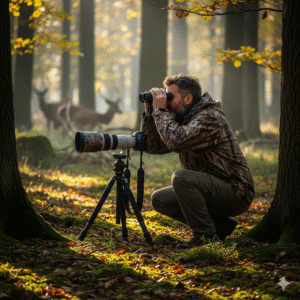
Understanding the rhythm of Kootenai hunting season accommodations requires insight into both wildlife patterns and human activity cycles. The region’s hunting seasons span several months, each offering distinct advantages and challenges that influence accommodation selection and availability.
Early season hunting, typically beginning in September for archery seasons, offers unique advantages for hunters willing to adapt their strategies to warmer weather conditions. Wildlife patterns remain relatively undisturbed by hunting pressure, and cabin rentals often provide better availability and rates before the peak season arrives. The trade-off involves dealing with insects, warmer temperatures, and sometimes challenging access conditions due to summer growth.
Peak season hunting, generally occurring during October and November rifle seasons, represents the traditional Montana hunting experience that draws hunters from across the nation. Wildlife activity increases as animals prepare for winter, creating optimal hunting conditions. However, this period also sees maximum demand for quality cabin accommodations, making early reservations essential for securing your preferred property.
Late season opportunities, extending into December for some species, can provide exceptional hunting for those willing to embrace winter conditions. Many hunters overlook these opportunities, creating potential for both wildlife encounters and accommodation availability. The challenges of winter hunting require careful consideration of cabin heating systems, road access, and emergency preparedness.
Yaak Montana Cabin Rentals: Exploring the Remote Alternative
The Yaak region represents one of Montana’s most remote and pristine hunting destinations, offering experiences that approach true wilderness hunting while remaining accessible to hunters with reliable transportation. Yaak Montana cabin rentals provide gateways to hunting opportunities that few sportsmen ever experience.
The Yaak River valley creates a unique ecosystem that supports diverse wildlife populations in an area with minimal human development. This combination of habitat quality and limited access creates hunting opportunities that can rival private ranch experiences while remaining available to the general public through proper planning and preparation.
Hunters considering Yaak area accommodations should prepare for a more rustic experience that emphasizes self-reliance and wilderness skills. The region’s remoteness creates both opportunities and responsibilities that urban hunters may not encounter in more developed hunting areas. Proper emergency preparedness, communication planning, and mechanical reliability become essential components of trip planning.
The rewards of Yaak hunting include wildlife encounters in settings that remain largely unchanged from historical conditions. The area’s limited road access and challenging terrain create natural sanctuaries where wildlife behavior remains relatively unaffected by human activity. Hunters who embrace the Yaak experience often describe it as transformative, providing perspectives on hunting and wildlife that more accessible areas cannot match.
Hunting Camp Kootenai National Forest: Building Your Base Operation
Establishing an effective hunting camp Kootenai National Forest requires understanding both the logistical requirements of extended backcountry stays and the strategic considerations that influence hunting success. Quality cabin accommodations provide the foundation for sophisticated hunting operations while maintaining the comfort levels that modern hunters expect.
The concept of base camping revolves around creating a central hub that supports multiple hunting strategies and locations. Your cabin becomes the nerve center where equipment is maintained, meals are prepared, game is processed, and strategies are developed based on daily observations and experiences. This centralized approach allows for efficient use of time and resources while maintaining flexibility to adapt to changing conditions.
Weather monitoring becomes crucial when operating from a fixed base camp. The Kootenai region’s weather patterns can change rapidly, particularly during the transitional seasons when most hunting occurs. Cabin accommodations with reliable heating systems and communication capabilities allow hunters to wait out adverse weather conditions while remaining ready to capitalize on improved conditions.
Equipment organization and maintenance capabilities distinguish professional hunting operations from amateur attempts. Quality cabin accommodations provide adequate space and facilities for proper equipment care, from rifle maintenance to clothing management. These seemingly minor considerations become critically important during extended hunting trips where equipment failure can end your hunting season prematurely.
Montana Private Land Hunting Cabins: Exclusive Access Opportunities
While public land hunting provides abundant opportunities in the Kootenai region, Montana private land hunting cabins offer exclusive access to properties that may see limited hunting pressure throughout the season. These arrangements often combine the comfort of quality accommodations with hunting privileges that can significantly enhance your success potential.
Private land hunting arrangements typically involve properties where landowners have developed relationships with specific outfitters or cabin rental operators. These partnerships create opportunities for hunters to access private property while staying in accommodations that cater specifically to hunting activities. The combination often provides superior wildlife viewing and hunting success rates compared to heavily pressured public areas.
The ethics and economics of private land hunting deserve careful consideration. Property owners who provide hunting access often invest significant resources in habitat improvement and wildlife management activities that benefit entire regional ecosystems. Supporting these operations through cabin rentals and hunting fees contributes to conservation efforts that extend beyond individual property boundaries.
Access to private land hunting opportunities often requires advance planning and relationship building with property owners or their designated representatives. Quality cabin rental operators frequently maintain these relationships and can facilitate introductions or arrangements that benefit both hunters and landowners. These partnerships create value for all parties while promoting responsible hunting practices and habitat conservation.
Kootenai Outfitter Cabins: Professional Guide Services Integration
The integration of quality accommodations with professional guide services creates hunting experiences that maximize success potential while minimizing the planning burden on visiting hunters. Kootenai outfitter cabins represent the ultimate in full-service hunting arrangements, combining expert local knowledge with comfortable base camp facilities.
Professional outfitters bring decades of experience hunting specific areas, understanding wildlife patterns, seasonal movements, and the subtle factors that influence hunting success. When this expertise combines with quality cabin accommodations, hunters benefit from both strategic advantages and logistical support that independent hunting trips often lack.
The economic considerations of guided hunting packages require careful evaluation of included services and additional costs. Many outfitter cabin arrangements include meals, transportation, game processing, and even taxidermy services as part of comprehensive packages. When evaluating these options, consider the total cost and time savings compared to organizing independent hunting trips.
Guide service quality varies significantly across the industry, making careful selection crucial to your hunting success and overall experience. Reputable outfitters maintain long-term relationships with their cabin rental partners and focus on sustainable hunting practices that ensure continued wildlife availability for future seasons. These operations typically provide references and maintain transparent communication about success rates and service standards.
Essential Amenities and Services for Your Kootenai Hunting Experience
Modern hunting cabin accommodations must balance rustic charm with practical amenities that support successful hunting operations. After years of evaluating hunting cabins across Montana, certain features consistently prove essential for hunters serious about their craft and comfort.
Kitchen facilities rank among the most important amenities for hunting cabin accommodations. Proper meal preparation capabilities allow hunters to maintain consistent nutrition schedules that support the physical demands of hunting activities. The ability to prepare meals at appropriate times, rather than relying on restaurant schedules, provides strategic advantages during peak hunting periods.
Meat processing and storage capabilities become crucial during successful hunting trips. Quality hunting cabins provide adequate refrigeration, freezer space, and work areas for proper game care. These facilities ensure that your harvest receives proper treatment while allowing you to continue hunting rather than rushing to commercial processing facilities.
Communication capabilities have evolved from luxury amenities to essential safety features. Reliable cell phone service or alternative communication methods provide security for hunters operating in remote areas while allowing for coordination with guides, outfitters, or family members. Weather information access becomes particularly valuable during the changeable conditions common in mountain hunting areas.
Safety and Emergency Preparedness Considerations
Hunting in Montana’s backcountry requires comprehensive safety planning that extends beyond basic hunting safety protocols to include medical emergency preparedness, communication procedures, and evacuation contingencies. Quality cabin accommodations should support these safety requirements while providing secure bases for emergency response activities.
Weather-related emergencies represent the most common serious threats to hunter safety in the Kootenai region. Sudden temperature drops, unexpected snowfall, and high wind conditions can create life-threatening situations for unprepared hunters. Cabin accommodations with reliable heating systems and emergency supplies provide crucial safety margins during severe weather events.
Medical emergency preparedness requires consideration of both prevention and response capabilities. Remote hunting areas may be hours from advanced medical care, making first aid knowledge and supplies critically important. Some cabin rental properties maintain relationships with local emergency services and can provide guidance on evacuation procedures and communication protocols.
Vehicle-related emergencies often strand hunters in remote areas during the most challenging weather conditions. Quality cabin operators typically provide information about local towing services, mechanical support, and alternative transportation options. Some properties maintain relationships with local service providers who understand the specific challenges of backcountry vehicle recovery.
Seasonal Considerations and Weather Patterns
Understanding seasonal weather patterns in the Kootenai region provides strategic advantages for hunting planning and safety preparation. The area’s mountain location creates microclimates and weather systems that can vary significantly over short distances, requiring flexible planning and adaptable equipment selections.
Fall hunting seasons typically begin during relatively stable weather conditions but progress through periods of increasing variability as winter systems begin affecting the region. Early season hunters may encounter warm, dry conditions that require different strategies and equipment compared to late season hunters facing snow and cold temperatures.
Temperature fluctuations throughout hunting seasons can exceed fifty degrees between daily highs and lows, creating equipment and clothing challenges for unprepared hunters. Quality cabin accommodations provide controlled environments for equipment management and the ability to adapt clothing and gear selections based on daily weather forecasts.
Precipitation patterns influence both wildlife behavior and hunting access conditions. The region’s geography creates orographic precipitation effects that can produce significantly different conditions within short distances. Cabin locations at appropriate elevations and aspects can provide advantages during specific weather patterns while requiring different strategies during others.
Conservation and Ethical Hunting Practices
Responsible hunting practices in the Kootenai region support both immediate hunting success and long-term wildlife population sustainability. Quality cabin rental operations typically promote ethical hunting practices and support conservation efforts that benefit entire ecosystems.
Leave No Trace principles apply to hunting activities just as they do to other backcountry pursuits. Hunters staying in cabin accommodations have additional responsibilities to ensure that their activities do not negatively impact the surrounding environment or wildlife habitat. Proper waste disposal, minimal impact camping practices, and respect for wildlife behavior patterns contribute to conservation efforts.
Wildlife harassment and over-hunting represent serious threats to sustainable hunting opportunities. Ethical hunters recognize that restraint and selectivity often serve long-term interests better than harvesting every legal opportunity. Quality cabin accommodations support these practices by providing comfortable environments that allow hunters to be selective rather than desperate for success.
Supporting local conservation organizations and habitat improvement projects creates positive relationships between hunters and local communities while contributing to long-term wildlife habitat quality. Many cabin rental operators maintain connections with these organizations and can facilitate hunter participation in conservation activities.
Frequently Asked Questions
What are the key dates for the 2025 hunting season in the Kootenai area?
The 2025 Kootenai hunting season dates vary by species and hunting method. General rifle season for deer typically runs from late October through late November, while elk seasons may extend into December. Archery seasons usually begin in early September and run through early October. Black bear hunting seasons occur in both spring (May-June) and fall (September-November) periods. Specific dates change annually, so hunters should verify current regulations with Montana Fish, Wildlife & Parks before making final cabin rental reservations. Many cabin rental operators provide updated season information as part of their booking services.
How do I obtain a Montana hunting license and tags as a non-resident?
Non-resident hunters must purchase Montana hunting licenses and tags through the state’s lottery system for most big game species. Applications typically open in early March for the following fall hunting season, with deadlines in May. Deer and elk tags require participation in the drawing system, while black bear tags are often available over-the-counter. Non-resident license fees are significantly higher than resident fees, with combination licenses providing the best value for hunters pursuing multiple species. The Montana Fish, Wildlife & Parks website provides complete information about application procedures, deadlines, and fees.
Are there specific regulations or restrictions for hunting in the Kootenai National Forest?
Hunting in Kootenai National Forest follows Montana state hunting regulations with additional federal restrictions in certain areas. Hunter education certification is required for all hunters born after January 1, 1985. Hunters must wear hunter orange clothing during rifle seasons and follow specific weapons restrictions that vary by hunting district. Some areas within the forest have seasonal closures or special regulations designed to protect wildlife during critical periods. Road closures and access restrictions may limit hunting areas during certain seasons. Current regulation summaries are available from both Montana Fish, Wildlife & Parks and the Forest Service.
Is hunting allowed on the property where the cabins are located?
Hunting permission varies by individual cabin rental property and depends on property ownership, local regulations, and landowner preferences. Some cabin rentals include hunting privileges on private property, while others provide access to adjacent public hunting areas. Hunters should verify hunting permissions before booking accommodations and understand any restrictions or additional fees associated with on-property hunting. Many cabin operators can arrange access to private hunting properties through separate agreements with local landowners or outfitters.
What is the closest town to the cabins, and what amenities are available there?
Libby, Montana, serves as the primary service town for most Kootenai area hunting cabins, offering groceries, fuel, sporting goods, restaurants, and medical services. The town is located approximately 30-45 minutes from most hunting cabin locations, depending on specific property locations and road conditions. Troy, Montana, provides similar services for cabins located in the western portions of the Kootenai region. Both towns have businesses that cater specifically to hunters, including meat processing services, taxidermists, and guide services. Limited services may be available in smaller communities like Yaak or Eureka for more remote cabin locations.
What gear should I bring, and what is provided with the cabin rental?
Most hunting cabins provide basic lodging amenities including beds, linens, kitchen appliances, and heating systems. Hunters should bring personal hunting equipment, clothing, food, and hunting licenses. Specific items to pack include hunting weapons, ammunition, appropriate clothing for variable weather conditions, first aid supplies, and personal toiletries. Some cabins include additional amenities like meat processing equipment, game storage facilities, or outdoor equipment. Hunters should confirm included amenities with cabin operators before departure to avoid over-packing or missing essential items.
Do you offer guided hunting packages or can you recommend local outfitters?
Many cabin rental operators maintain relationships with local outfitters and can arrange guided hunting services as part of comprehensive hunting packages. These arrangements often provide cost savings compared to booking accommodations and guide services separately. Guide services range from full-service packages including meals and transportation to basic field guiding for specific hunting areas. Reputable cabin operators can provide references for multiple outfitters with different service levels and pricing structures. Some properties include semi-guided services such as scouting information and hunting area recommendations without full guide services.
Is there cell phone service or Wi-Fi at the cabins?
Cell phone service and internet connectivity vary significantly among Kootenai area hunting cabins due to the remote locations and mountainous terrain. Some cabins located near major highways may have reliable cell service, while more remote properties may have limited or no connectivity. Many hunters actually prefer locations with minimal connectivity to enhance their wilderness experience. Cabin operators should provide accurate information about communication capabilities when booking reservations. Hunters requiring reliable communication should consider satellite communication devices or choose cabins specifically offering these services.
Are the cabins accessible by standard vehicle, or is a 4×4 required?
Road access requirements vary among hunting cabin properties, with some accessible by standard passenger vehicles and others requiring four-wheel drive or high-clearance vehicles. Road conditions can change rapidly due to weather conditions, particularly during hunting seasons when snow and ice may affect access. Many cabin operators provide detailed access information including seasonal restrictions and recommended vehicle types. Hunters should verify current road conditions before departure and prepare for potential changes in access requirements due to weather conditions.
What is your cancellation policy, especially if I am unable to secure a hunting license?
Cancellation policies vary among cabin rental operators, with most offering some flexibility for hunters unable to secure hunting licenses through Montana’s lottery system. Many operators provide full refunds for cancellations made before specific deadlines, typically 30-60 days before arrival dates. Some properties offer partial refunds or credits toward future bookings for later cancellations. Hunters should understand cancellation terms before booking and consider purchasing travel insurance to protect against unforeseen circumstances. Clear communication with cabin operators about license lottery results helps facilitate appropriate cancellation procedures when necessary.
The Kootenai region represents Montana hunting at its finest, offering diverse wildlife populations in pristine wilderness settings. Quality cabin accommodations like Shangrilog provide the foundation for successful hunting experiences while supporting conservation efforts that ensure future generations can enjoy these same opportunities. Whether pursuing your first Montana hunting adventure or returning for another season in familiar territory, the combination of professional accommodations and world-class hunting opportunities creates memories that last a lifetime.