Bull Lake Cabin in Troy, Montana

The Kootenai runs cold, wide and green out of Libby Dam, and for a lot of anglers it is the reason to come to this corner of Montana. It is a tailwater, and a big one — long glassy seams you can read from a hundred yards off, rainbows holding tight to the shelves, cutthroat pushed into the softer edges. It is also close enough to Bull Lake that you can fish it properly and still be back on the deck before the light goes.
But this is a river that rewards planning. The flows change on a schedule you do not control, the wading is bigger than it looks from the bank, and the rules here are not the statewide default. Here is what to sort out before you rig up.
Where the Kootenai fits into a week on Bull Lake
The short answer: it is a morning drive, not an expedition. The fishable water begins below Libby Dam and runs downstream through the Libby and Troy country, and from the cabin both ends of it are easy to reach.
Libby is 36.7 miles, about 42 minutes. Libby Dam is 54.2 miles, about 1 hour 4 minutes. Those two figures bracket the stretch most fly anglers come for. Closer to home, the Kootenai runs straight through Troy — 24.6 miles and roughly 32 minutes from the cabin — and the Kootenai Falls trailhead on US-2 is 25.7 miles, about 31 minutes. You are never far from moving water here.
That geography is worth understanding, because Bull Lake and the Kootenai are two entirely different fisheries and it is easy to plan for one and end up rigged for the other. The lake out front is still water — paddle it, swim it, fish it from the dock in the evening. The river is current, cold and constant. If the lake is what you are after, start with our guide to fishing Bull Lake, which covers species, seasons and access on that side. This piece is about the river.
What swims in the Kootenai
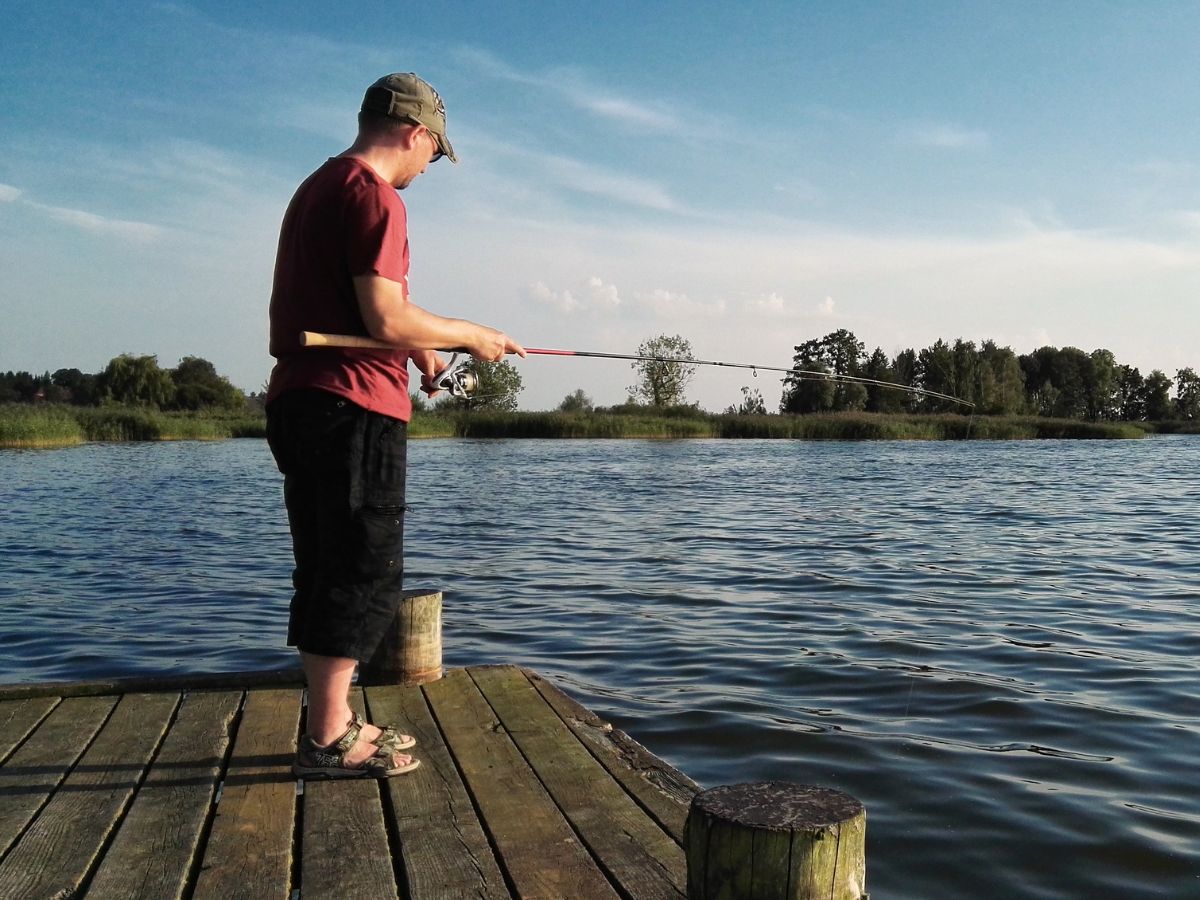
Rainbow trout are the main event. The Kootenai National Forest describes the river as home to rainbows, cutthroat and bull trout, with the occasional brown trout as well. Mountain whitefish are here too, and they are better sport on a light rod than their reputation suggests — on a cold January afternoon they may be the only thing willing to eat.
Bull trout are the species to be careful about. They are protected in this drainage and carry their own rules, separate from everything else in the regulations book. Read Montana FWP’s bull trout regulations before you fish, do not target them, and if one takes your fly by accident, release it promptly and with as little handling as you can manage.
More broadly: the Kootenai carries water-specific rules that depart from the statewide standard, including species-specific requirements that most visiting anglers have never encountered elsewhere. Rules change year to year, so read the current Montana fishing regulations for the Western District rather than trusting anything written down in advance — including this page. Licences are available online through Montana FWP, and it is worth sorting yours out before you leave home, because cell service thins out badly on the last few miles to the lake.
This is a tailwater, and the dam sets the day
The single biggest variable on the Kootenai is not the weather. It is the outflow from Libby Dam.
The U.S. Army Corps of Engineers operates Libby Dam for flood risk management, hydropower, recreation and environmental stewardship — four purposes that do not always want the same river on the same day. Outflow can shift substantially, and it can shift while you are standing in the water. A run that fished beautifully at breakfast can be unwadeable by lunch.
So check before you drive. The Corps publishes live outflow and reservoir data for Libby Dam, and thirty seconds with that page will tell you more about your day than any forecast will. Then wade conservatively once you are there. Know your way back to the bank before you commit to a gravel bar, watch the water at your feet rather than only the water you are casting to, and get out early if it starts creeping. Rising water on a big river is not dramatic. It is quiet, and then it is a problem.
One more tailwater consequence: the water comes off the bottom of a deep reservoir, so it stays cold through the summer. That is why the fishing holds up in August when other Montana rivers are struggling with heat. It is also why you will want waders in July.
Seasons on the river
There is fishable water here most of the year, but the shoulder seasons are the kindest.
Spring
High, pushy water. Runoff in the tributaries and dam operations on the mainstem can combine into a river that is honestly hard work on a fly rod. Fish deep, fish the edges, and treat a good spring day as a bonus rather than the plan. Spring is also the quietest time to have the river to yourself, if that trade appeals.
Summer
Long light, cold water and the best odds of a dry fly. Mornings and evenings are typically the windows; the middle of the day tends to go quiet and bright. Caddis and terrestrials are the usual summer story on water like this, though what is actually coming off changes week to week — which is an argument for buying flies locally rather than tying up a box in March.
Fall
The season a lot of people plan the whole trip around. The larch along the river corridor turns gold through October, the crowds thin, and cooling water tends to bring fish back into reachable lies. Grey, damp days are often the good ones. Pair it with a drive up to Lake Koocanusa above the dam if you want a non-fishing afternoon in the same colour.
Winter
The river stays open and there are fish to be caught, mostly on small stuff and mostly slowly. Whitefish will keep you honest. The real limiter is not the fishing but the getting there — access roads, snow and short daylight. Check Kootenai National Forest alerts and closures before you head out, and give yourself more margin than the map suggests.
Access, floating, and one hard limit
If you are floating, there is one piece of information that matters more than all the others. According to the Kootenai National Forest, boat ramps are distributed from Libby Dam downstream to the end of River Road — and there are no takeouts beyond the end of that road. Kootenai Falls lies downstream, and it is impassable.
Read that twice if you are putting a boat on this river. Know your takeout before you launch, and build in more time than you think you need. If you want to see the falls, see them on foot — we have a separate guide to Kootenai Falls and the swinging bridge, which is a spectacular walk and no place at all to be in a drift boat.
Wade anglers have plenty to work with. The Kootenai is a big river and a boat unquestionably opens water you cannot reach on foot, but the ramp areas, side channels and softer inside edges hold fish and can be fished properly in a day. If you want one name to start from, Osprey Landing on MT-37 north of Libby is a public boat ramp on the water below the dam — 45.5 miles from the cabin, roughly 54 minutes. For the full picture of public access, use Montana FWP’s own fishing access site listings rather than a map you found on a blog. Sites open, close and change hands, and the state’s list is the one that is current.
If you are bringing a boat, raft or float tube into Montana, aquatic invasive species rules apply to you. Clean, drain and dry everything, and check the current requirements and watercraft inspection stations before you travel. Inspection is not optional, and stations are not always where you expect them.