Bull Lake Cabin in Troy, Montana

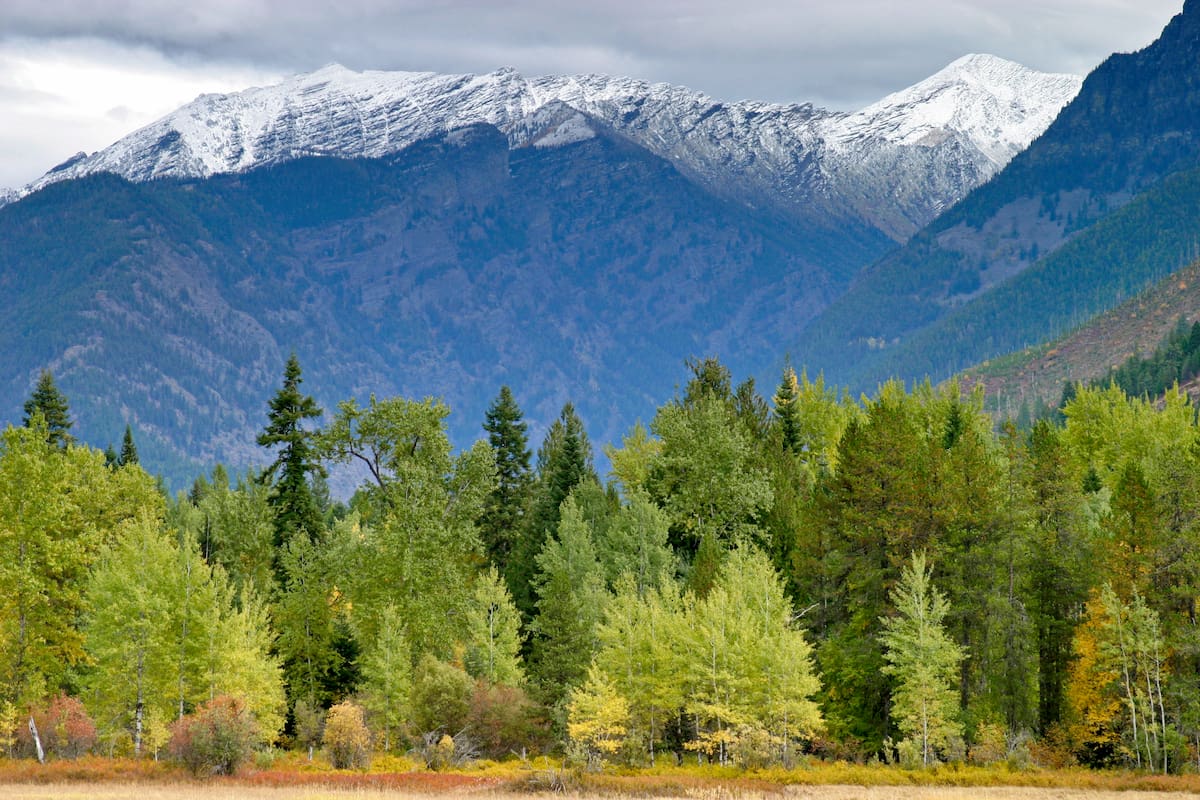
The Cabinet Mountains Wilderness is one of the most spectacular and least-visited wilderness areas in the American West.
That combination — spectacular and unvisited — is increasingly rare. Most wilderness areas of comparable terrain quality in the Rocky Mountains have been discovered, permitted, and managed for high visitor volumes. The Cabinet Mountains Wilderness has not. Its 94,272 acres of roadless backcountry in the Kootenai National Forest receive a fraction of the visitors that Glacier National Park or the Bob Marshall Wilderness see in a single weekend, and the trail infrastructure reflects that reality — genuine backcountry, not a managed wilderness experience with parking lots and interpretive signs.
The peaks exceed 8,000 feet. More than 30 alpine lakes sit in glacier-carved cirques throughout the wilderness interior. The wildlife community includes grizzly bear, mountain goat, mountain caribou, wolverine, and one of the most intact predator assemblages remaining in the lower 48 states. The hiking — from ambitious day hikes to strenuous multi-day routes — delivers the kind of terrain and solitude that most American wilderness travelers have stopped expecting to find outside of Alaska.
And almost nobody is there.
This guide covers every aspect of planning a cabin rental stay organized around the Cabinet Mountains Wilderness — which cabins provide genuine wilderness access, what the terrain demands of visitors, what to expect on the signature routes, and how Bull Lake positions itself as the most practical and most rewarding basecamp for exploring the Cabinet Mountains in any season.
For the full overview of Montana fishing and hiking cabin options across Northwest Montana, see the Montana Fishing & Hiking Cabins guide →
Understanding the Cabinet Mountains Wilderness
Geography and Scale
The Cabinet Mountains Wilderness occupies the core of the Cabinet Range — a subrange of the Rocky Mountains running northwest-southeast through Lincoln and Sanders counties in northwestern Montana. The wilderness boundary encloses 94,272 acres of roadless terrain, with the surrounding Kootenai National Forest providing a buffer of an additional 2+ million acres of managed forest land on every side.
The range is geologically distinct from the Rocky Mountain peaks to the east. The Cabinets are older, more heavily glaciated, and structurally different — the result of deep metamorphic rocks pushed up through sedimentary layers, producing the dramatic quartzite ridgelines and glacier-carved cirques that characterize the wilderness interior. The result is terrain that looks more like the North Cascades or the Coast Ranges than the typical Rocky Mountain profile: steeper, darker, more heavily forested at lower elevations, with dramatic cliff faces and alpine basins replacing the open ridgeline walking of ranges further east.
This geological character has practical implications for hikers. Cabinet Mountains trails gain elevation quickly — the transition from valley floor to alpine terrain happens in fewer miles than in most Rocky Mountain ranges. Scotchman Peak, the signature summit, gains 3,800 feet in 5 miles. This makes for physically demanding day hikes and rewards hikers with alpine views that feel disproportionately earned relative to the distance covered.
Wildlife
The Cabinet Mountains Wilderness supports one of the most ecologically intact wildlife communities in the contiguous United States. The Cabinet-Yaak Ecosystem — encompassing the Cabinets and the Yaak River drainage to the north — is one of six recovery zones for the grizzly bear in the lower 48 and supports one of the smallest and most isolated grizzly populations remaining in Montana.
Grizzly bear: Present throughout the wilderness and surrounding national forest. The Cabinet-Yaak grizzly population is small, isolated, and rarely encountered by hikers — but their presence requires preparation. Bear spray is mandatory equipment for all backcountry travel in the Cabinets. Familiarize yourself with deployment before the first day on the trail.
Mountain goat: Rocky alpine terrain throughout the upper Cabinets supports a healthy mountain goat population. Scotchman Peak’s upper ridgeline and the alpine terrain surrounding the wilderness lakes are productive viewing areas. Goats are frequently visible from the Scotchman Peak trail in the upper mile below the summit.
Mountain caribou: The southern Selkirk-Cabinet woodland caribou herd — one of the last remaining woodland caribou herds in the contiguous United States — occasionally moves through the wilderness in winter and early spring. Extremely rare to encounter; their presence is one of the reasons the wilderness ecological value is considered exceptional.
Wolverine: Present in low densities throughout the wilderness. Rarely encountered but tracked regularly by wildlife researchers monitoring the Cabinet-Yaak ecosystem.
Black bear: Common throughout the wilderness and forest. Far more frequently encountered than grizzly. Standard bear country precautions apply.
Elk and deer: Abundant in the lower-elevation wilderness perimeter and forest interface. Dawn and dusk activity along the Bull River Road corridor produces regular sightings from vehicles.
Moose: The Bull River valley and its tributary drainages support a productive moose population — one of the most reliably sighted large mammals in the immediate Bull Lake and Troy area.
The Grizzly Awareness Requirement
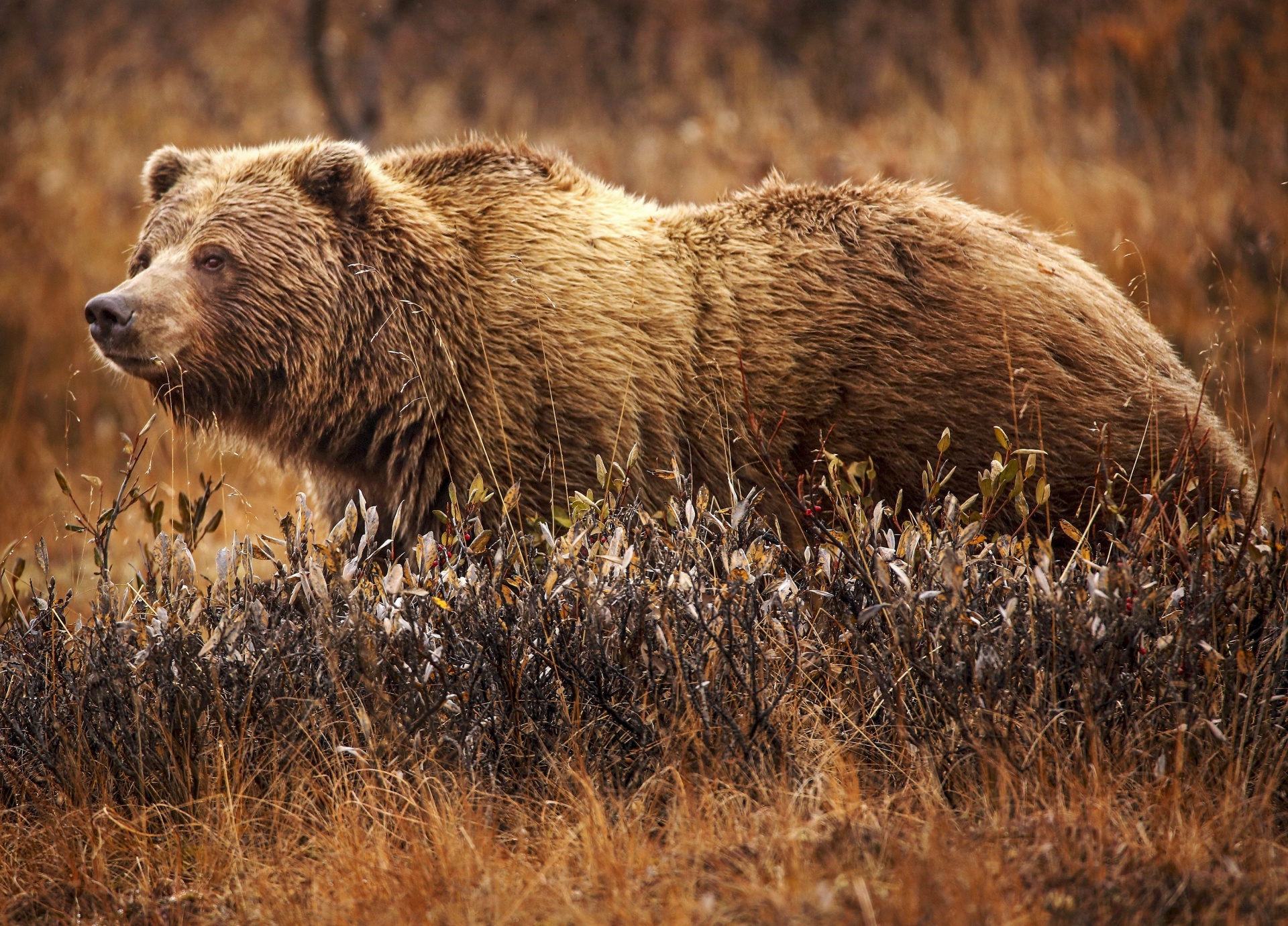
The Cabinet Mountains Wilderness is grizzly country. This is not a management disclaimer — it’s a practical reality that shapes how you prepare for, enter, and behave in the backcountry.
Bear spray: Carry it accessible at all times — hip holster, not buried in the pack. A bear spray canister in the bottom of a daypack provides no protection. Practice the draw and deployment motion before entering the wilderness.
Group travel: Groups of three or more people reduce bear encounter risk significantly. Solo travel in the Cabinets is not advisable, particularly in areas with recent bear sign.
Noise awareness: Make noise on the trail, particularly in dense vegetation, near streams, and when approaching blind corners. Most grizzly bear encounters result from surprise, not predatory intent.
Food storage: Overnight trips require bear-resistant food storage — bear canister or bear box hang. Day hikes require keeping all food in the pack and not leaving anything accessible at trailheads.
Carry bear spray available from sporting goods stores in Troy and Libby. Rental bear spray is sometimes available from local outfitters — confirm availability before your trip.
The Signature Hikes of the Cabinet Mountains Wilderness
Scotchman Peak (7,009 feet)
Distance: 10 miles roundtrip Elevation gain: 3,800 feet Difficulty: Strenuous Season: Late June through October (snowpack-dependent) Trailhead: Scotchman Peak Trailhead, approximately 15 miles east of Troy via Highway 2 and Forest Service roads
Scotchman Peak is the signature experience of the Cabinet Mountains Wilderness — the hike that most anglers and cabin guests who have stayed in the Bull Lake area and haven’t yet done it are thinking about when they book their return trip.
The route climbs through old-growth cedar and hemlock in the lower miles, transitions to subalpine fir and whitebark pine in the middle section, and breaks into open alpine meadows in the final mile to the summit. The elevation gain is sustained rather than technical — no scrambling required, but no flat sections either. A reasonably fit hiker in good physical condition should plan 5–7 hours roundtrip.
The summit panorama is among the best accessible views in the northern Rocky Mountains. Cabinet Mountains ridgelines extending northwest and southeast. Bull Lake visible as a silver ribbon in the valley far below. The Purcell Mountains of Idaho filling the western horizon. The Bitterroot Range to the south. The Glacier National Park peaks 80 miles northeast on clear days. British Columbia visible to the north.
Mountain goats are routinely visible in the upper mile below the summit — sometimes close enough for photography without a telephoto lens. The summit ridge frequently has 3–10 goats grazing on the sparse alpine vegetation.
Starting from a Bull Lake basecamp: The Scotchman Peak trailhead is approximately 35–45 minutes from Shangrilog via Highway 2 east and Forest Service roads. Leave by 7 AM to summit before afternoon thunderstorms build — afternoon convective activity is common in the Cabinets in summer. Carry rain gear and an extra layer regardless of morning weather.
The Scotchman Peaks Wilderness Committee maintains trail information, current conditions, and volunteer trail maintenance coordination. Check their website before your trip for current trail conditions, snow depth, and any access issues.
Engle Lake
Distance: 9–11 miles roundtrip (approach varies by route) Elevation gain: 3,200–3,600 feet Difficulty: Strenuous to very strenuous Season: Mid-July through September Trailhead: Multiple approaches from Bull River Road and Forest Service roads south of Troy
Engle Lake is the premier backcountry destination within the Cabinet Mountains Wilderness — a remote alpine lake sitting in a deep cirque below Engle Peak, accessible only by strenuous trail and rarely visited even in peak season. Day hiking to Engle Lake is possible for very fit hikers; most visitors make it an overnight trip.
The lake’s setting is the payoff: a blue-green alpine lake surrounded by cliff faces and talus fields, with mountain goats visible on the upper terrain and the Cabinet Mountains ridgeline rising directly above the cirque. No other people. No trail infrastructure. The defining wilderness experience of the Cabinets.
For overnight trips from a Bull Lake cabin: Shangrilog has bear canister storage and the infrastructure for multi-day backcountry trips. The drive to the Engle Lake approach trailhead is approximately 40–50 minutes. A two-day trip — hike in and camp the first day, explore the lake basin and hike out the second — is the standard approach for groups based at Bull Lake.
No permit is currently required for overnight backcountry trips in the Cabinet Mountains Wilderness. Campfires are discouraged above treeline; a camp stove is the standard cooking method.
Lower Cabinet Mountains Perimeter Trails
Not every Cabinet Mountains Wilderness hiker is targeting Scotchman Peak or an alpine lake overnight. The wilderness perimeter and the adjacent Kootenai National Forest contain numerous lower-elevation trails that provide the Cabinet Mountains forest and canyon character without the full elevation commitment.
Bull River Trail: Follows the Bull River south from Troy through old-growth forest and river canyon terrain. Relatively gentle grade, excellent for families with older children and beginning hikers. Wildlife corridor — moose, deer, and eagle sightings common. Accessible from multiple trailheads along the Bull River Road, 20–30 minutes from Bull Lake.
Engle Falls: A shorter hike to a dramatic waterfall in the lower Cabinet Mountains drainage. 2–4 miles roundtrip depending on trailhead. Appropriate for most fitness levels. Old-growth forest setting with wildflowers throughout spring and early summer.
Northwest Peaks Scenic Area: North of Troy on the Montana-Idaho border, the Northwest Peaks area provides high-country access without the Scotchman Peak elevation commitment. Several shorter routes to viewpoints and small alpine lakes, accessible from Forest Service roads. Less crowded than the Scotchman Peak corridor. Check current Forest Service road conditions before planning a visit.
Cabinet Mountains Wilderness Alpine Lakes
The wilderness contains over 30 named alpine lakes in addition to Engle Lake — most of them accessible by maintained trails, some by cross-country travel only. For hikers with multiple days and a Bull Lake basecamp, the wilderness lakes represent a different trip each day without retracing routes.
Lightning Lake: Accessible via a trail from the south wilderness boundary, approximately 8 miles roundtrip. A classic Cabinet Mountains alpine lake with cliff backdrop and mountain goat habitat.
Geiger Lakes: A series of connected lakes at high elevation on the east face of the Cabinets, accessible from the Geiger Lakes trailhead southeast of Troy. Multi-lake basin with exceptional scenery and light backcountry traffic.
Rock Lake: Shorter approach than most wilderness lakes — approximately 6 miles roundtrip. Good option for hikers who want an alpine lake day without the Engle Lake commitment.
For current trail conditions on all Cabinet Mountains Wilderness routes, contact the Kootenai National Forest Troy Ranger District before your trip. The ranger district can provide current snow conditions, downed tree status, and any active wildlife closures.
Cabins for Cabinet Mountains Wilderness Access
What Makes a Good Wilderness Basecamp Cabin
A cabin organized around Cabinet Mountains Wilderness access has different requirements than a standard lakefront vacation rental. The hiking day starts early, ends physically demanding, and requires specific infrastructure that most rental listings don’t think to mention.
Proximity to wilderness trailheads. The Bull River Road corridor — running south from Troy on Highway 56 — provides the most direct access to the western Cabinet Mountains trailheads. Cabins in the Bull Lake and Troy area are positioned 30–50 minutes from most wilderness trailheads, enabling 7 AM starts without a lengthy commute.
Early departure infrastructure. A full kitchen with coffee, a way to prepare a trail lunch the night before, and enough space that four people can organize their gear without creating chaos at 6 AM. These are functional requirements that wilderness hikers specifically need from a basecamp cabin.
Post-hike recovery. A hot tub is not a luxury after a Scotchman Peak day — it’s the reason you can hike again the next morning rather than spending the day immobile on the couch. A deep soaking bath works nearly as well. A standard shower does not.
Bear spray storage and reminders. A quality wilderness basecamp cabin should have a place to store bear spray at the door — not buried in a coat closet — and ideally an owner who reminds guests to carry it on every trail day.
Laundry for multi-day trips. For stays of 4+ nights with daily hiking, in-unit laundry is the difference between packing three sets of hiking clothes and packing seven.
Bull Lake: The Premier Cabinet Mountains Wilderness Basecamp
Shangrilog on Bull Lake is the strongest cabin basecamp for Cabinet Mountains Wilderness access in the entire region — not because it’s the closest to any single trailhead, but because it optimizes the full wilderness stay experience across all the factors that matter.
Trailhead proximity: Scotchman Peak trailhead is 35–45 minutes. Bull River Trail access is 20–30 minutes. Engle Lake approach trailheads are 40–50 minutes. Northwest Peaks access is 45–60 minutes. From Bull Lake, every major Cabinet Mountains destination is within a reasonable early morning drive.
Post-hike recovery: The hot tub on the upper deck overlooking Bull Lake is — genuinely, not rhetorically — the best possible way to end a Scotchman Peak day. 3,800 feet of gain over 5 miles produces the kind of muscle fatigue that requires immersion in hot water to recover from for the following day’s hike. Guests who use the hot tub after Scotchman Peak consistently report being able to hike again on day two. Guests who don’t are often not.
Group capacity for hiking parties: Four bedrooms sleeping up to 10 guests. Most serious hiking trips are group affairs — partners, families, or organized groups of friends. A property that sleeps 10 in private bedrooms means a hiking group of 6–8 can operate as a household without logistics problems.
Full kitchen: Trail lunches prepared the evening before. Coffee ready before dawn. A real dinner after a long trail day. For a 5-night hiking stay, the kitchen infrastructure matters as much as the trail access.
Lakefront setting as complementary experience: A wilderness hiking trip from Bull Lake isn’t only a hiking trip. The dock fishing in the evenings, the morning paddle on the lake, the sunset from the deck — the lake provides the recovery and relaxation counterpart to the demanding days in the wilderness. The combination of strenuous wilderness hiking and lakefront recovery is what makes Bull Lake the ideal wilderness basecamp rather than simply a convenient one.
Practical Planning for a Cabinet Mountains Wilderness Cabin Stay
Seasonal Trail Conditions
Spring (April–May): Lower-elevation trails in the Bull River corridor are accessible from late April. Higher-elevation routes — Scotchman Peak, Engle Lake, most alpine lake destinations — remain snowbound through May and into early June in heavy snow years. Spring is excellent for valley-bottom and lower-forest hiking; not suitable for wilderness summit attempts.
Summer (June–August): Scotchman Peak typically becomes snow-free by late June to early July, depending on the winter’s snowpack. All wilderness trails are generally accessible by mid-July. Peak wildlife activity, wildflower displays in alpine meadows, and consistent (if sometimes thunderstorm-affected) hiking weather. Peak cabin demand — book 3–5 months in advance for Bull Lake.
Fall (September–October): The optimal window for Cabinet Mountains Wilderness hiking. All trails accessible through early October before first significant snowfall. Western larch color across the forest (late September–mid-October) transforms the lower-elevation approach routes. Fewer people than summer. Wildlife particularly active — elk, deer, and moose sightings increase in fall. Cottonwood and aspen color in the valley bottoms adds to the visual display. Book 2–3 months in advance.
Winter (November–March): Wilderness trails closed by snow except to snowshoers and skiers with appropriate avalanche awareness and winter backcountry skills. Lower-elevation forest routes accessible on snowshoes from the Bull River corridor. Turner Mountain Ski Area near Libby (30–40 minutes from Bull Lake) provides lift-served skiing as the primary winter recreation anchor.
Weather and Mountain Safety
The Cabinet Mountains generate their own weather. Afternoon convective thunderstorms are common in summer, developing rapidly from clear morning skies. Lightning above treeline is a serious hazard on exposed ridgelines — the Scotchman Peak summit and upper ridge are particularly exposed.
The standard approach: Start early (7 AM from the trailhead) to reach exposed terrain before noon. Monitor conditions throughout the morning. Descend below treeline if thunderstorm development begins. The Cabinets are not a place to be above 6,000 feet during an afternoon thunderstorm.
Temperature ranges: Even summer days produce cold conditions above 6,000 feet. Morning temperatures at the Scotchman Peak summit can be 30–40 degrees below valley temperatures. Carry layers regardless of morning weather in the valley. Wind at the summit can be significant even on otherwise calm days.
Water sources: Multiple reliable water sources on most wilderness routes throughout the summer — snowmelt feeds the trail-adjacent streams through July in most years. Always carry filtration — Giardia is present throughout the region’s backcountry water sources.
Navigation and Maps
The Cabinet Mountains Wilderness has maintained trails but minimal signage in the interior. For routes beyond the main Scotchman Peak corridor, carry a printed topographic map and compass or a GPS device with offline maps downloaded before leaving cell service range.
Recommended resources:
-
- USGS 7.5-minute topographic maps for the relevant quadrangles
-
- National Geographic Trails Illustrated map for the Kootenai National Forest
-
- Gaia GPS or CalTopo with Kootenai National Forest layers downloaded offline
-
- Current conditions from the Kootenai National Forest Troy Ranger District
Cell service is limited to nonexistent throughout the Cabinet Mountains Wilderness and on most Forest Service roads in the approach corridors. Download everything before leaving the cabin.
Cabinet Mountains Wilderness Rentals: The Bull Lake Comparison
For travelers evaluating which Northwest Montana cabin provides the best Cabinet Mountains Wilderness access, the comparison comes down to two primary variables: trailhead proximity and post-hike infrastructure.
| Property Type | Trailhead Distance | Post-Hike Recovery | Group Capacity | Best For |
|---|---|---|---|---|
| Shangrilog, Bull Lake | 30–50 min to major trailheads | Hot tub, full kitchen, 10-guest capacity | Up to 10 | Groups, extended stays, full wilderness experience |
| Troy area cabins | 20–40 min (closest access) | Variable by property | 2–6 typically | Small groups, budget-focused, river access priority |
| Libby area cabins | 45–60 min to most trailheads | Variable by property | 2–8 | Service access priority, eastern approach routes |
| Forest Service cabins | 0–5 min (some trailhead adjacent) | Rustic — no hot tub, basic cooking | 2–6 | Hardcore hikers, budget maximum, immersion priority |
For groups of 6 or more planning multiple days of Cabinet Mountains hiking with daily recovery and lakefront evening activities, Shangrilog is the decisive choice. For solo anglers or couples who want maximum trailhead proximity above all else, some Troy-area properties are closer to specific trailheads at lower price points.
Connecting the Wilderness to the Full Northwest Montana Experience
A Cabinet Mountains Wilderness cabin stay doesn’t have to be exclusively a hiking trip. The wilderness access is the organizing feature, but Bull Lake’s position as a regional basecamp means every other major Northwest Montana experience is within reach.
Kootenai Falls: 35 minutes east on Highway 2. Montana’s largest undammed waterfall — a 15-minute trail from the highway to the viewpoint and swinging bridge. Easy half-day excursion on a rest day between wilderness hikes. For lodging closest to Kootenai Falls, see Kootenai Falls Area Lodging →
Ross Creek Cedars: 30–40 minutes south on Highway 56. One-mile boardwalk through 1,000-year-old cedars — appropriate rest-day activity after a demanding wilderness day. For Ross Creek Cedars lodging specifically, see Ross Creek Cedars Area Lodging →
Kootenai River fishing: 20–25 minutes east on Highway 2. Gold Medal wild rainbow trout tailwater. For anglers in the hiking group who want a river day, the Kootenai is within range of any Bull Lake basecamp stay. For complete fishing cabin guidance, see Montana Fishing Cabin Rentals →
Glacier National Park day trip: 2–2.5 hours east on Highway 2. On a rest day or at the end of an extended wilderness stay, a Glacier day trip adds the park’s alpine character to a trip already organized around the Cabinet Mountains backcountry.
Frequently Asked Questions
How difficult are the Cabinet Mountains Wilderness trails?
The Cabinet Mountains trails range from easy lower-elevation forest walks (Bull River Trail, Ross Creek Cedars adjacent trails) to strenuous wilderness summit routes (Scotchman Peak, Engle Lake). Scotchman Peak — the signature hike — is strenuous and should not be underestimated. 3,800 feet of elevation gain over 5 miles requires good fitness, appropriate footwear, and a full day. For fit hikers in good condition, it is achievable as a challenging but rewarding day hike.
Is grizzly bear spray required in the Cabinet Mountains Wilderness?
Bear spray is strongly recommended and functionally required for responsible backcountry travel in the Cabinets. The Cabinet-Yaak ecosystem supports an active grizzly bear population. Carry bear spray accessible at all times — hip holster — and familiarize yourself with deployment before entering the wilderness. Available at sporting goods stores in Troy and Libby.
When is the best time of year for Cabinet Mountains Wilderness hiking?
Fall (September–October) is the optimal window — all trails accessible, fewer people, western larch color, active wildlife, and pleasant temperatures. Summer (July–August) offers full trail access and the best wildflower displays in alpine meadows. Spring (May–June) is suitable only for lower-elevation forest trails; high routes remain snowbound. Winter requires snowshoe or ski experience.
Do I need a permit for the Cabinet Mountains Wilderness?
No permit is currently required for day hiking or overnight backcountry trips in the Cabinet Mountains Wilderness. Leave No Trace practices are expected. Campfires are discouraged above treeline. No quota system currently exists for the wilderness. Check with the Kootenai National Forest Troy Ranger District for current regulations before your trip.
What is the best cabin basecamp for Cabinet Mountains Wilderness hiking?
Shangrilog on Bull Lake provides the optimal combination of trailhead proximity (30–50 minutes to major wilderness access points), post-hike recovery infrastructure (hot tub, full kitchen), and group capacity (10 guests in 4 bedrooms) for hiking groups planning multiple wilderness days. For the complete Montana hiking trail cabin comparison, see Montana Hiking Trail Cabins →
Can I combine Cabinet Mountains hiking with lake activities from the same cabin?
Yes — this is one of Bull Lake’s defining advantages as a wilderness basecamp. Morning wilderness hiking, afternoon dock fishing or lake kayaking, evening hot tub. The wilderness and the lake are complementary experiences from the same property rather than competing destinations requiring separate accommodations. This combination is covered in detail in the Montana Fishing & Hiking Cabins guide →
How far is Bull Lake from the Scotchman Peak trailhead?
Approximately 35–45 minutes from Shangrilog via Highway 2 east and Forest Service roads. The drive itself passes through scenic canyon terrain. Leave by 7 AM from the cabin to reach the trailhead by 8 AM and summit before afternoon thunderstorm development begins.
What should I carry for a Cabinet Mountains Wilderness day hike?
Bear spray (accessible at the hip), 2–3 liters of water with filtration backup, layers for 30–40 degree temperature swings from valley to summit, rain gear, trail food for a full day, emergency bivy or space blanket, map and compass or offline GPS, a first aid kit, and trekking poles for the descent. For the complete packing guide including fishing and adventure gear, see Montana Adventure Vacation Rentals →
Plan Your Cabinet Mountains Wilderness Cabin Stay
The Cabinet Mountains Wilderness is the destination for hikers who want serious backcountry terrain without the permit systems, the crowds, and the managed experience that has gradually defined many of America’s famous wilderness areas. The trails are real, the summits are demanding, the wildlife is genuine, and the solitude is complete.
The cabin that makes this wilderness accessible — close enough for early starts, equipped for real recovery, large enough for a hiking group, and on a lake that provides the counterpoint to demanding trail days — is Shangrilog on Bull Lake.
For a complete guide to Montana hiking trail cabins organized by trailhead proximity across Northwest Montana, see Montana Hiking Trail Cabins →
For adventure-focused rental options combining wilderness hiking with fishing, paddling, and other active pursuits, see Montana Adventure Vacation Rentals →
Shangrilog on Bull Lake: four bedrooms, 3,000 square feet sleeping 10, private dock, hot tub overlooking the lake, 35 minutes from Scotchman Peak, year-round availability.