Bull Lake Cabin in Troy, Montana

Most Montana cabin searches start with geography — which lake, which park, which part of the state. This guide starts differently.
It starts with what you’re going to do.
Because the cabin that’s right for a serious fly angler targeting wild rainbow trout is not the same cabin that’s right for a backpacker tackling the Cabinet Mountains Wilderness. And neither of those is the same cabin that works for a family that wants to fish in the morning and hike in the afternoon without driving an hour between activities.
Montana is enormous. The state has more public land, more trailheads, more fishable water, and more genuine wilderness than most travelers ever manage to explore in a single trip. The cabin you choose determines which slice of that you actually get to experience — not just where you sleep, but whether the fishing is a 5-minute walk or a 90-minute drive, and whether the trailhead is accessible by 8 AM or requires a full day’s logistical commitment.
This guide organizes Montana cabin options around the activities that drive most Northwest Montana trips: fishing and hiking. It covers the best destinations for each activity, which cabins provide genuine access rather than approximate proximity, and how to choose the right basecamp when your itinerary includes both.
How to Use This Guide
This pillar covers the full landscape of Montana fishing and hiking cabin options. The subpillar guides go deep on specific angles:
-
- Montana Fishing Cabin Rentals: The complete booking guide for anglers — species, seasons, access types, guided vs. self-guided, platform tips → Montana Fishing Cabin Rentals →
-
- Cabinet Mountains Wilderness Rentals: Cabins organized around wilderness access — trailheads, overnight routes, difficulty levels → Cabinet Mountains Wilderness Rentals →
-
- Kootenai Falls Area Lodging: Cabins closest to Montana’s largest undammed waterfall and the Highway 2 attraction corridor → Kootenai Falls Area Lodging →
-
- Montana Hiking Trail Cabins: Cabins chosen specifically for trailhead proximity across Northwest Montana → Montana Hiking Trail Cabins →
-
- Montana Adventure Vacation Rentals: The full spectrum of active Montana cabin stays — fishing, hiking, kayaking, biking, and more → Montana Adventure Vacation Rentals →
Montana Fishing Cabins
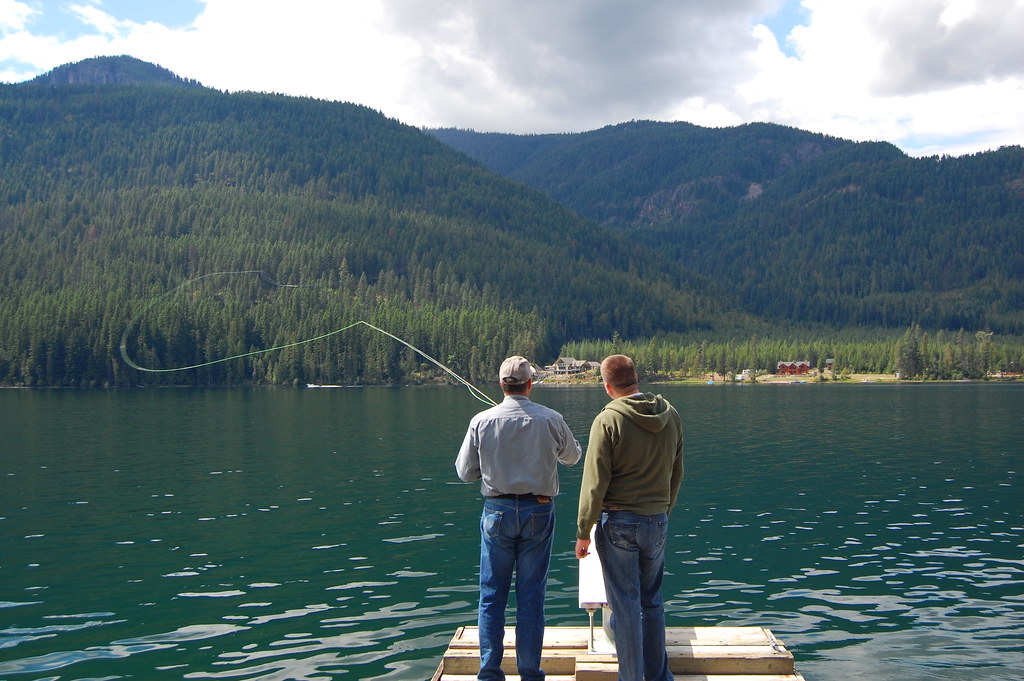
What Makes a Fishing Cabin Different
A fishing cabin isn’t just a cabin near water. It’s a cabin where the fishing is accessible, productive, and integrated into the daily rhythm of the stay rather than a separate expedition requiring planning and driving.
The best Montana fishing cabins share three characteristics that most lakefront and waterfront listings don’t clearly advertise:
Immediate fishable water. A dock that extends into water holding fish — not decorative water, but actual productive fishing habitat. On Bull Lake, that means kokanee salmon, rainbow trout, cutthroat trout, and bass accessible from the dock on any morning of the stay. On the Kootenai River, that means wading into a Gold Medal tailwater within walking distance of the cabin.
Gear infrastructure. A garage or covered area for rod storage, waders, and nets. A fish cleaning station or at minimum a utility sink and exterior hose. Chest freezer access for preserving the catch. Cooler storage. The logistical reality of a fishing trip requires storage space that most standard vacation rental listings don’t mention.
Local knowledge. The best fishing cabins are operated by owners who know the water — which access points are productive at which times of year, which species are running in which season, where the guide services worth booking operate. This is the information that turns a fishing trip from adequate to exceptional.
Montana’s Best Fishing Cabin Destinations
Bull Lake — Lake and River Fishing Combination
Bull Lake is the strongest fishing cabin destination in Northwest Montana for anglers who want variety without driving an hour between water types.
From the private dock at Shangrilog, the lake itself offers kokanee salmon, rainbow trout, cutthroat trout, and bass across four seasons — with spring and fall producing the most consistent action, and the morning dock session being the defining daily ritual of most fishing-focused stays. The dock extends into deep enough water that trolling and jigging are productive from a kayak launched directly off the end.
Twenty minutes east via Highway 2, the Kootenai River tailwater below Libby Dam is one of Montana’s Gold Medal wild trout fisheries — large wild rainbow trout in cold, regulated water that stays productive year-round. The combination of Bull Lake dock fishing and Kootenai River wade fishing from one basecamp covers two entirely different fishing experiences without an overnight relocation.
Species at Bull Lake: Kokanee salmon, rainbow trout, cutthroat trout, largemouth and smallmouth bass, northern pike, yellow perch. Species on Kootenai River: Wild rainbow trout (20+ inches common), bull trout, mountain whitefish, smallmouth bass in lower sections. Best seasons: Fall (September–October) for kokanee salmon run and Kootenai baetis hatch; spring for early-season trout activity; summer for consistent dock fishing.
A Montana fishing license is required for all fishing. Available online through Montana Fish, Wildlife & Parks or at sporting goods stores in Troy and Libby.
For the complete fishing cabin booking guide including platform tips, guided trip logistics, and species-specific seasonal windows, see Montana Fishing Cabin Rentals →
Kootenai River Corridor — Dedicated River Fishing
For anglers whose trip is organized entirely around the Kootenai River fishery, riverfront cabin properties along the Highway 2 corridor between Troy and Libby put you on the water within walking distance of the most productive tailwater sections.
The Kootenai tailwater is a technically demanding fishery — selective wild fish in clear water that rewards anglers who match the hatch and present accurately. A local guide for the first trip on this water is the highest-value investment available. Guided float rates run $350–$550 per angler per day; a local Kootenai-experienced guide covers sections of the river that bank anglers rarely access.
For the complete guide to lodging along the Kootenai River corridor, see Kootenai River Lodge Stays →
Lake Koocanusa — Kokanee Salmon Destination
Lake Koocanusa’s 90-mile reservoir is the premier kokanee salmon destination in Northwest Montana — drawing anglers specifically for the fall run (September–October) when kokanee concentrate in the upper reservoir sections and become highly catchable by trolling and jigging.
The reservoir also holds rainbow trout, bull trout, and northern pike throughout the season. For anglers specifically targeting the kokanee run, Koocanusa-adjacent lodging in the Libby area provides the most practical base.
For Libby-area lodging nearest Koocanusa, see Libby Montana Cabin Rentals →
Cabinet Mountains Streams — Native Cutthroat
The tributary streams draining the Cabinet Mountains Wilderness hold native westslope cutthroat trout in backcountry settings that most Montana anglers never find. Access requires hiking — typically 3–8 miles on established trails into the wilderness — but the reward is genuinely wild fish in water that sees almost no fishing pressure.
These streams are accessible as day hikes from a Bull Lake or Troy-area basecamp. Cabinet Mountains tributary fishing combines naturally with a hiking-focused stay — the streams are both the fishing destination and the trail corridor on the same day.
Fishing Cabin Checklist
Before booking any Montana fishing cabin, verify these specifics directly with the property owner:
Water species and productivity. Ask: “What species are in the water accessible from this property, and what time of year is most productive?” Vague answers suggest the owner isn’t a fishing resource.
Dock fishing reality. Ask: “Can I fish productively from the dock, or is the dock primarily for swimming and launching?” The answer tells you whether the dock is fishing infrastructure or decoration.
Gear storage. Ask: “Is there covered storage for fishing rods, waders, and a cooler?” For multi-night fishing trips, gear management is a daily logistical reality.
Guide connections. Ask: “Can you recommend local guides for the Kootenai River or other waters?” Owners who fish or host anglers regularly know the local guide community.
License procurement. Montana fishing licenses are required for all anglers age 12+. Purchase online through Montana Fish, Wildlife & Parks before arriving — sporting goods stores in Troy and Libby also sell licenses.
Montana Hiking Cabins
What Makes a Hiking Cabin Different
A hiking cabin provides more than a place to sleep near mountains. It provides genuine trailhead access — close enough that the hike begins before breakfast and the cabin is reachable for lunch if the weather turns or the legs give out, rather than a two-hour logistics commitment that turns a morning hike into a full-day expedition.
The best Montana hiking cabins organize the day around the trail rather than around the drive. Early starts are possible because trailheads are 20–40 minutes away, not 90. Multiple trails are accessible from the same basecamp, so the itinerary can adapt to conditions, ability, and interest without requiring a property relocation.
Montana’s Best Hiking Cabin Destinations
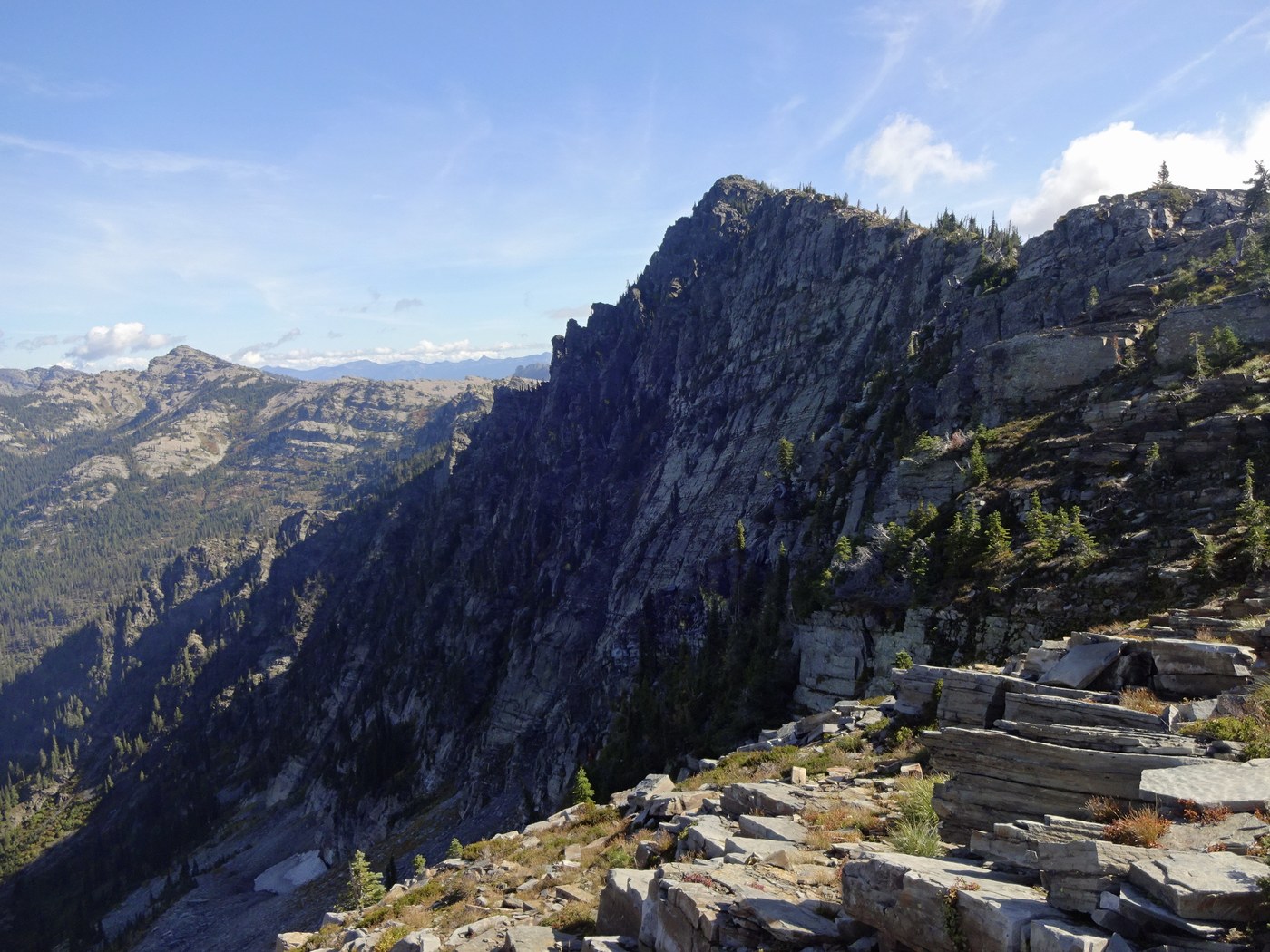
Cabinet Mountains Wilderness — Northwest Montana’s Backcountry
The Cabinet Mountains Wilderness contains 94,272 acres of roadless backcountry — 30+ alpine lakes, peaks over 8,000 feet, and hiking terrain that rivals Glacier National Park’s dramatic character with a fraction of the visitor traffic. Trailheads into the wilderness are accessible from the Bull River Road, typically 30–45 minutes from a Bull Lake or Troy basecamp.
Scotchman Peak (7,009 feet): The signature hike. 10 miles roundtrip, 3,800 feet of gain, sustained climb through subalpine meadows to a summit with panoramic views of Montana, Idaho, and British Columbia. Mountain goats frequent the upper terrain. This is a full-day commitment — leave early, bring layers, carry enough water for the return trip.
Engle Lake: The premier backpacking destination in the Cabinets — a remote alpine lake requiring a strenuous overnight, with near-complete solitude even in peak season. For hikers planning a backcountry overnight from a Bull Lake basecamp, Engle Lake is the target.
Lower Cabinet Mountains perimeter trails: Multiple shorter day hike options in the wilderness perimeter — accessible from Bull River Road trailheads without the full Scotchman Peak elevation commitment. Good options for hikers of moderate fitness or families with older children.
No permit is currently required for day hiking or overnight trips in the Cabinet Mountains Wilderness. Bear spray is recommended throughout.
For a complete guide to cabins organized specifically around Cabinet Mountains wilderness access, see Cabinet Mountains Wilderness Rentals →
Ross Creek Cedars — Old-Growth Trail Access
Ross Creek Cedars is the most accessible and most distinctive hiking experience in the Bull Lake corridor — a one-mile boardwalk loop through western red cedars 500–1,000 years old and up to 175 feet tall. The trail is appropriate for all fitness levels and ages, free to visit, and open late May through October.
From a Bull Lake basecamp, Ross Creek Cedars is 30–40 minutes south on Highway 56. It functions as a half-day excursion — morning hike in the cedars, afternoon back at the dock. The grove’s combination of accessibility and genuine ancient-forest character makes it one of the most memorable short walks in Northwest Montana.
For lodging in the immediate Ross Creek Cedars area, see Ross Creek Cedars Area Lodging →
Kootenai Falls Trail — Canyon Hiking
The Kootenai Falls trail is a 1.2-mile roundtrip walk through old-growth ponderosa pine to one of Montana’s most dramatic natural features — a 90-foot waterfall dropping through a basalt canyon, with a swinging footbridge spanning the gorge downstream. Accessible year-round when Highway 2 is clear, free to visit, and appropriate for all fitness levels.
From a Bull Lake basecamp, Kootenai Falls is 35 minutes east on Highway 2. From Troy-area lodging, 15–20 minutes.
The falls are close enough for an evening visit after a day in the Cabinet Mountains — not a destination that requires a dedicated day, but a daily-accessible experience that most guests visit multiple times during extended stays.
For lodging in the Kootenai Falls area specifically, see Kootenai Falls Area Lodging →
Glacier National Park — Day Trip Hiking from a Western Base
For hikers who want access to Glacier National Park’s trails without paying park-adjacent cabin prices, a Bull Lake basecamp enables full-day Glacier hiking trips with a 2–2.5 hour drive each direction via Highway 2.
Highline Trail (11.8 miles, moderate): The most celebrated trail in the park, following the Garden Wall ridgeline from Logan Pass with dramatic views across the park’s interior.
Avalanche Lake (5.9 miles, easy-moderate): The most accessible classic Glacier hike — old-growth cedar forest, a glacially carved canyon, and a dramatic alpine lake at the end.
Iceberg Lake (9.7 miles, moderate): Many Glacier valley, arguably the park’s most scenic. Floating icebergs in the lake well into summer. Grizzly bear activity throughout the drainage.
Hidden Lake Overlook (2.7 miles, easy): From Logan Pass, a short hike to an overlook above a stunning alpine lake with mountain goat and bighorn sheep routinely visible on the slopes.
A vehicle reservation for the Going-to-the-Sun Road corridor is required during peak season (typically late May through early September) — book through Recreation.gov before your trip. Check current requirements at the Glacier National Park website.
For complete Glacier area lodging options closer to the park, see Cabins near Glacier National Park →
Kootenai National Forest Trail Network
The Kootenai National Forest contains over 1,200 miles of maintained trails across its six ranger districts — a hiking resource that most visitors from outside the region never fully explore because the Glacier corridor captures their attention first.
Within 30–60 minutes of a Bull Lake basecamp:
Scotchman Peak Trail (Cabinet Mountains Wilderness): See above.
Ten Lakes Scenic Area (Eureka Ranger District): Accessible via Grave Creek Road north of Eureka — a cluster of mountain lakes in high country that sees far less traffic than comparable terrain in Glacier. Approximately 1.5–2 hours from Bull Lake.
Northwest Peaks Scenic Area (Three Rivers Ranger District): Remote high country on the Montana-Idaho border north of Troy. Accessible by Forest Service road; several trails into the area’s alpine terrain.
Bull River Trail (Troy Ranger District): A lower-elevation trail following the Bull River south from Troy — accessible to families and beginning hikers, wildlife-rich corridor, good early-season option when higher trails are still snowbound.
For a complete guide to Montana hiking trail cabins organized by trailhead proximity, see Montana Hiking Trail Cabins →
Hiking Cabin Checklist
Before booking a Montana hiking cabin:
Trailhead distance — specific, not approximate. Ask: “How many miles and minutes to the nearest Cabinet Mountains Wilderness trailhead?” Confirm whether the road requires high clearance or four-wheel drive. Some Forest Service road trailheads require specific vehicle capability.
Trail conditions for your season. Higher-elevation trails in the Cabinet Mountains are typically accessible late June through October. Early season (May–June) and late season (October–November) access depends on snowpack — check current conditions with the Kootenai National Forest before finalizing your trip dates.
Bear safety infrastructure. Bear spray is standard equipment for any Cabinet Mountains or Kootenai National Forest trail. Confirm whether the cabin provides bear canisters or a bear box for food storage on overnight trips. Grizzly bear and black bear are present throughout the region.
Post-hike recovery amenities. A hot tub, a bathtub, or at minimum a powerful shower matters significantly after a Scotchman Peak day. Shangrilog’s hot tub on the deck overlooking Bull Lake has ended many Scotchman Peak days for guests who arrived barely able to walk up the stairs.
The Bull Lake Basecamp Advantage: Fishing and Hiking Together
Most Montana cabin searches force a choice: fish-focused or hike-focused. Bull Lake is the exception — the basecamp that delivers both without compromise.
From Shangrilog on Bull Lake, a typical fishing-and-hiking week looks like this:
Day 1: Arrive, dock fishing in the evening for kokanee and trout. Exploratory kayak on the lake.
Day 2: Cabinet Mountains — Scotchman Peak full day. Post-hike hot tub, dinner at the cabin.
Day 3: Kootenai River — morning wade fishing on the tailwater. Afternoon back at the dock.
Day 4: Ross Creek Cedars morning walk — 30 minutes south on Highway 56, 2 hours in the grove. Afternoon dock fishing and swimming.
Day 5: Glacier National Park full day — 2.5 hours east, Avalanche Lake or Highline Trail, back by evening.
Day 6: Bull Lake — kayaking, dock fishing, exploring the shoreline. No driving required.
Day 7: Kootenai Falls morning visit — 35 minutes east. Afternoon packing, evening fire by the lake.
This itinerary — covering Montana’s best fishing water, its most spectacular wilderness hiking, its most famous national park, and its most accessible natural wonders — is available from one basecamp. No property relocations, no hotel nights in between. One cabin, the full range of Northwest Montana’s fishing and hiking experiences within a day’s reach of each.
Shangrilog: 3,000 square feet, four bedrooms, three and a half bathrooms, private dock on Bull Lake, wood-burning fireplace, hot tub overlooking the water, room for 10 guests, year-round availability.
Seasonal Guide for Montana Fishing & Hiking Cabins
Spring (April–May): Early Season Value
Fishing: Kootenai River fishing is excellent as runoff drops and water clarity improves through May. Boat-based fishing on the river covers sections inaccessible when wading. Bull Lake dock fishing picks up with early-season trout and bass activity.
Hiking: Lower-elevation trails in the Bull River corridor open early. Ross Creek Cedars accessible by mid-May. Cabinet Mountains high trails remain snowbound through May — Scotchman Peak typically accessible by late June.
Rates: 40–50% below peak summer pricing across all cabin types. Best window for budget-conscious anglers and hikers.
Summer (June–August): Full Access
Fishing: Complete access to all fisheries. Bull Lake dock fishing productive for mixed species. Kootenai River tailwater at its best in summer when other Montana rivers go off in heat. Guided float trips most available.
Hiking: All trails open including high Cabinet Mountains routes. Scotchman Peak fully accessible. Glacier day trips enabled by full Going-to-the-Sun Road opening (typically early July through mid-October).
Rates: Peak pricing. Bull Lake 3–5 months advance booking. Kootenai River corridor 2–4 months.
Fall (September–October): The Best Window
Fishing: Peak season across every fishery simultaneously. Kootenai River baetis hatch — the best dry fly fishing of the year. Bull Lake kokanee salmon run arrives. Koocanusa kokanee concentration at its peak. Fall is the season serious anglers target specifically.
Hiking: All trails open, fall color across the Kootenai National Forest, western larch brilliant gold through October. Scotchman Peak before first snowfall (typically mid-October). Glacier accessible through mid-October. Crowds thin dramatically after Labor Day.
Rates: 20–30% below August peaks across all cabin types. The highest-value window in the annual cycle for travelers who can visit in shoulder season.
Winter (November–March): Ice and Snow Recreation
Fishing: Kootenai River tailwater fishes year-round — one of the few Montana rivers genuinely productive in winter. Ice fishing on Bull Lake when conditions permit. Check ice thickness locally before venturing out.
Hiking: Snowshoeing and cross-country skiing throughout the Kootenai National Forest. Lower-elevation trails accessible through winter. Higher-elevation trails require avalanche awareness and appropriate winter backcountry experience.
Cabin availability: Most Montana fishing and hiking cabin properties close seasonally. Shangrilog on Bull Lake operates year-round with full winterized access and Turner Mountain ski area 30–40 minutes away.
Comparison: Montana’s Best Fishing & Hiking Cabin Destinations
| Destination | Best For Fishing | Best For Hiking | Drive from Bull Lake | Peak Nightly Rate |
|---|---|---|---|---|
| Bull Lake (Shangrilog) | Dock + nearby river | Cabinet Mtns day trips | Basecamp | $175–$350 |
| Kootenai River corridor | Gold Medal tailwater | Canyon & forest trails | 20–25 min east | $150–$325 |
| Lake Koocanusa | Kokanee salmon fall run | Reservoir rim trails | 50 min east | $125–$275 |
| Cabinet Mountains Wilderness | Backcountry streams | World-class wilderness | 30–45 min south | $125–$275 |
| Glacier National Park area | Limited (park restrictions) | Best trails in region | 2–2.5 hrs east | $300–$600+ |
| Kootenai Falls area | Kootenai River access | Falls trail + canyon | 35 min east | $125–$300 |
Bull Lake is the only destination in this table that provides competitive access to multiple fishing and hiking destinations simultaneously — dock fishing at the cabin, Gold Medal river fishing 20 minutes away, Cabinet Mountains wilderness hiking 30–45 minutes south, Glacier day trips 2.5 hours east. Every other destination specializes in one activity at the expense of the other.
Frequently Asked Questions
What makes a Montana cabin good for fishing?
The three things that matter: productive fishable water immediately accessible from the property (not just nearby), gear storage infrastructure (rods, waders, coolers, fish cleaning), and owner knowledge of local fishing conditions and guide resources. A cabin with a private dock on productive water is structurally different from a cabin near a lake. For a complete fishing cabin booking guide, see Montana Fishing Cabin Rentals →
What is the best time of year for fishing and hiking in Montana?
Fall (September–October) is the strongest combined fishing and hiking window. The Kootenai River baetis hatch peaks, kokanee salmon runs arrive on Bull Lake and Koocanusa, all Cabinet Mountains trails remain open, western larch color transforms the forest, and lodging rates drop 20–30% from August peaks. For travelers who can visit in September or early October, fall consistently outperforms summer across both activities.
Can I fish and hike from the same Montana cabin base?
Yes — specifically from Bull Lake. Shangrilog on Bull Lake provides dock fishing on a productive lake with the Kootenai River Gold Medal fishery 20 minutes east, the Cabinet Mountains Wilderness 30–45 minutes south, and Glacier National Park 2.5 hours east. No other accessible Montana cabin basecamp covers this range of fishing and hiking experiences without an overnight relocation.
Do I need a fishing license for Montana cabin rentals?
Yes. A Montana fishing license is required for all anglers age 12 and older, regardless of whether fishing from a private dock, a public access point, or a boat. Licenses are available online through Montana Fish, Wildlife & Parks or at sporting goods stores in Troy and Libby. Purchase before arriving — you’ll want to fish on the first morning.
Is bear spray required for hiking near Montana fishing and hiking cabins?
Bear spray is strongly recommended for any hiking in the Kootenai National Forest and Cabinet Mountains Wilderness. Both grizzly bear and black bear are present throughout the region. Bears are most active at dawn and dusk — the same times that produce the best fishing. Carry bear spray on all trail hikes and familiarize yourself with deployment before the first day. Available at sporting goods stores in Troy and Libby.
What are the best hikes accessible from a Bull Lake cabin?
Scotchman Peak (10 miles, strenuous — Cabinet Mountains Wilderness), Ross Creek Cedars boardwalk (1 mile, easy — ancient cedar grove), Kootenai Falls trail (1.2 miles, easy — Montana’s largest waterfall), Bull River Trail (varies — lower elevation, wildlife-rich corridor), and Glacier National Park trails as a full-day trip. For a complete guide to Montana hiking trail cabins organized by trailhead proximity, see Montana Hiking Trail Cabins →
How do I find a Montana cabin that’s good for both fishing and hiking?
Look for properties within 45 minutes of both productive fishing water and established trail access. Verify specific distances rather than accepting “near fishing” or “near hiking” in listing descriptions. Ask the owner: “What is the closest trailhead to the property, and what species are accessible from the dock or shoreline?” For the complete activity-first cabin comparison, use the destination table above.
What is the best Montana fishing and hiking cabin for large groups?
Shangrilog on Bull Lake — 3,000 square feet, four bedrooms, room for 10 guests, private dock on a productive fishing lake, 30–45 minutes from Cabinet Mountains wilderness trailheads, and a hot tub for post-hike recovery. At $175–$350 per night for 10 guests, the per-person cost runs $18–$35 — the best activity-focused group value in Northwest Montana. For adventure-focused group rentals across Montana, see Montana Adventure Vacation Rentals →
Plan Your Montana Fishing & Hiking Cabin Trip
The right Montana fishing and hiking cabin isn’t determined by which park it’s nearest or which lake it overlooks. It’s determined by what’s in the water accessible from the dock and how far the trailhead is from the cabin door.
For anglers: The Kootenai River Gold Medal tailwater and Bull Lake’s productive dock fishing — accessible from one basecamp.
For hikers: The Cabinet Mountains Wilderness, Ross Creek Cedars, Kootenai Falls, and Glacier National Park day trips — accessible from one basecamp.
For travelers who want both: Bull Lake is the answer.
Explore the complete Montana fishing and hiking cabin guide:
And for the finest fishing and hiking cabin basecamp in Northwest Montana — 3,000 square feet, private dock on Bull Lake, four bedrooms sleeping 10, hot tub overlooking the water, and every major fishing and hiking destination within a day’s reach — Shangrilog is available year-round.